You might assume all power steering fluids serve the same purpose, yet their chemical compositions and performance characteristics vary considerably. Different types of power steering fluid are designed to meet the specific needs of various steering systems. Using the wrong type can lead to seal damage, noise, and impaired hydraulic function.
Understanding these differences isn’t just technical nitpicking—it’s essential to maintaining your vehicle’s steering system properly. Before you top up that reservoir, it’s important to know which fluid suits your specific system and why it matters.
Key Takeaways
- Power steering fluids include mineral-based, synthetic, ATF, and silicone-based types, each suited for specific steering system requirements.
- Mineral-based fluids are traditional and compatible with older steering systems, while synthetics offer better thermal stability and oxidation resistance.
- Some manufacturers recommend ATF due to its viscosity and wear properties similar to power steering fluids.
- Silicone-based fluids provide excellent temperature range but have limited compatibility with certain steering systems.
- Using the wrong fluid type can cause seal damage, hose swelling, corrosion, noise, and steering performance issues.
What Is Power Steering Fluid and Why Does It Matter?
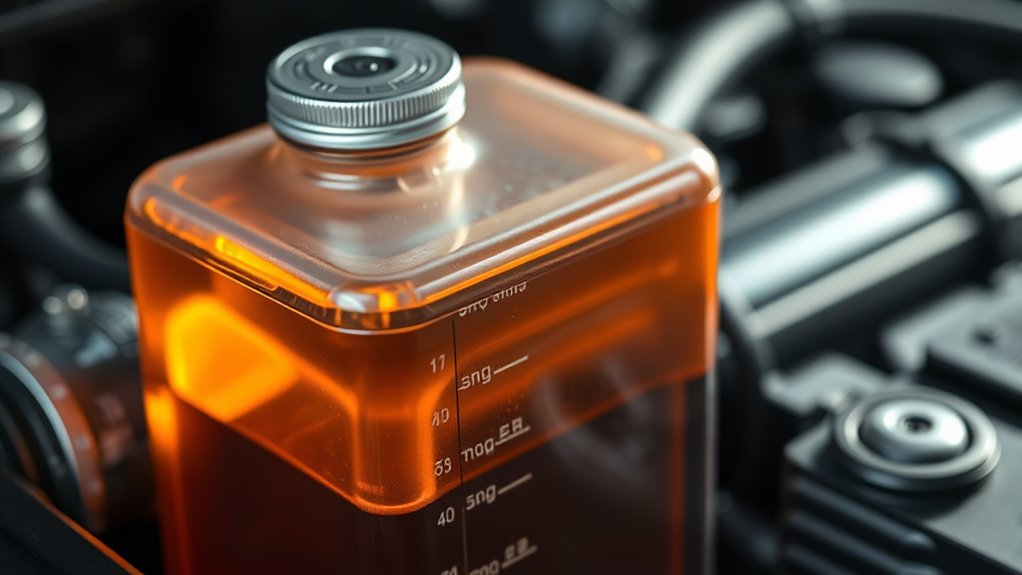
Why does power steering fluid play such a critical role in your vehicle’s steering system? It acts as a hydraulic medium that transmits force, enabling smooth, effortless steering. Without it, steering components would grind, wear prematurely, or fail entirely.
You might encounter abstract topics or unrelated ideas when researching fluids, but focusing on power steering fluid’s viscosity, lubrication, and anti-corrosion properties is essential. It reduces friction between moving parts, transfers hydraulic pressure from the pump to the steering gear, and dissipates heat generated by mechanical stress.
Understanding its function clarifies why neglecting power steering fluid maintenance leads to steering stiffness or noise. So, appreciating its technical role helps you avoid confusion with unrelated concepts and emphasizes why this fluid is indispensable for reliable, responsive steering performance.
Differences in Power Steering Fluid Formulations
How do different power steering fluid formulations impact your vehicle’s performance? The composition of these fluids directly affects hydraulic efficiency and component longevity. Variations in additives and base oils alter the fluid’s viscosity, oxidation resistance, and foam suppression, which in turn influence your system’s response.
Different aerosols used in formulations can affect how the fluid handles aeration, reducing or exacerbating hydraulic noise during operation. If the fluid fails to suppress bubbles effectively, you’ll notice increased noise and inconsistent steering feel.
Moreover, specific detergents and corrosion inhibitors in the formulation protect internal components from wear and degradation. Choosing the right fluid formulation ensures optimal pressure delivery and minimizes hydraulic noise, preserving the steering system’s precision and reliability under diverse driving conditions.
Common Types of Power Steering Fluid

Which type of power steering fluid suits your vehicle best depends largely on the system’s design and manufacturer specifications. Avoid off topic discussions or unrelated topics when selecting fluid, as compatibility is critical. Common types include:
- Mineral-based fluid: Traditional, widely used; compatible with many older hydraulic systems.
- Synthetic fluid: Engineered for enhanced thermal stability and oxidation resistance, ideal for high-performance systems.
- ATF (Automatic Transmission Fluid): Some manufacturers specify certain ATF types due to similar viscosity and anti-wear properties.
- Silicone-based fluid: Rare, specialized fluid offering excellent temperature range but limited compatibility.
Each type has distinct chemical properties tailored to different steering mechanisms. Steering systems are sensitive; using incorrect fluid can cause damage, so steer clear of unrelated topics when researching.
How to Choose the Right Power Steering Fluid for Your Vehicle
You need to follow your vehicle manufacturer’s specifications to ensure fluid compatibility and optimal system performance. Using the wrong type can cause leaks, noise, or component wear, so always check the recommended fluid type.
Also, watch for signs like darkening color or a burnt smell, which indicate fluid degradation and the need for replacement.
Manufacturer Recommendations Matter
Why does selecting the correct power steering fluid matter so much? Using the fluid specified by your vehicle’s manufacturer ensures optimal system performance and longevity. Ignoring these guidelines and focusing on irrelevant topics or off topic concerns can lead to premature wear or system failure.
When you follow manufacturer recommendations, you benefit from:
- Proper viscosity and additive formulations tailored to your steering system
- Maintained hydraulic pressure for smooth steering response
- Prevention of corrosion and seal degradation
- Compatibility with the materials used in your power steering components
Always consult your owner’s manual or manufacturer resources before choosing a fluid. This precision avoids costly repairs and maintains your vehicle’s designed handling characteristics. Manufacturer guidelines aren’t arbitrary; they’re engineered to safeguard your steering system’s integrity.
Fluid Type Compatibility
Adhering to manufacturer guidelines naturally leads to understanding fluid type compatibility, a key factor in selecting the right power steering fluid for your vehicle. You must match the fluid’s chemical composition, whether synthetic, mineral-based, or specific formulations like ATF or OEM fluids, to your system’s requirements.
Using an incompatible fluid can cause seal deterioration, reduced lubrication, and system failure. Avoid off topic assumptions like swapping fluids just because they look similar or ignoring specifications.
Imagine treating power steering fluid compatibility as an unrelated topic; you risk costly damage and voided warranties. Always consult your owner’s manual or technical service bulletins to ensure the fluid meets designated standards such as viscosity, additives, and temperature tolerance.
This precise matching process guarantees optimal performance and longevity.
Signs of Fluid Degradation
How can you determine when your power steering fluid has degraded and requires replacement? Recognizing fluid degradation is essential to maintaining your vehicle’s steering performance. Avoid confusing this with an unrelated topic or relying on random speculation; instead, focus on specific technical signs:
- Darkening color: Fluid turns from clear or amber to dark brown or black.
- Unusual odor: A burnt or acrid smell indicates oxidation or contamination.
- Presence of particles: Visible debris or sludge suggests breakdown of additives.
- Steering issues: Increased effort or noise during steering signals fluid inefficiency.
Monitoring these indicators helps you choose the right power steering fluid and prevent damage. Ignoring them can lead to component wear and costly repairs, so stay vigilant and replace fluid promptly when these signs appear.
What Happens If You Use the Wrong Power Steering Fluid
What damage can occur if you use the wrong power steering fluid in your vehicle? Using an incorrect lubricant can degrade seals, swell hoses, and cause internal corrosion.
The chemical composition of the wrong fluid may lack necessary additives or contain incompatible fuel additives, leading to the breakdown of protective layers inside the steering system. This accelerates wear on the pump and rack, resulting in leaks and reduced steering performance.
Additionally, improper viscosity disrupts hydraulic pressure, causing noisy operation and increased steering effort. Over time, contaminants from the mismatched fluid can clog narrow passages, further impairing function.
To avoid costly repairs, always use the fluid specified by your vehicle manufacturer, ensuring compatibility with system materials and additives designed for your power steering system.
Power Steering Fluid Variations by Car Brand
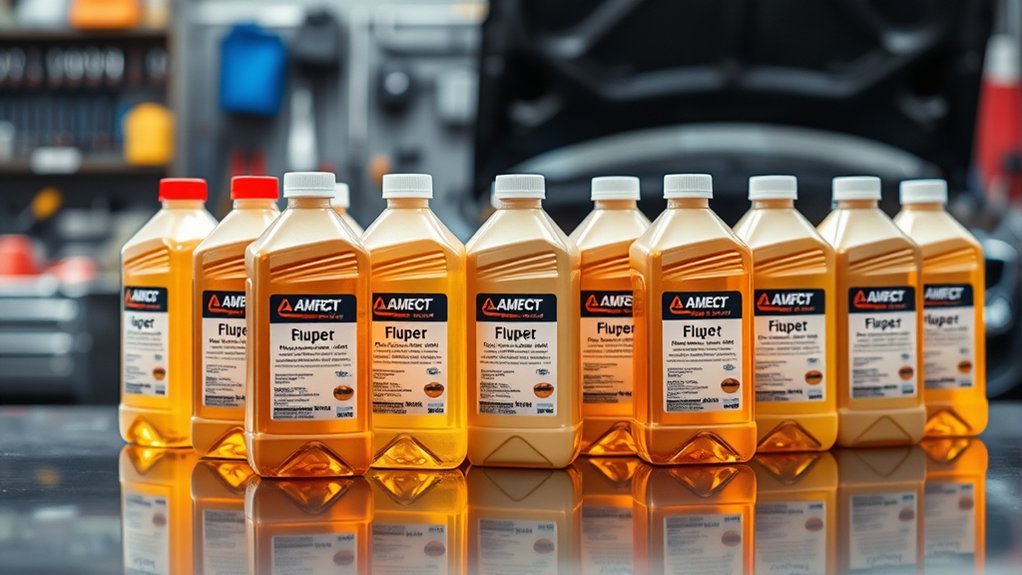
Why does power steering fluid vary between car brands? Each manufacturer designs systems with specific hydraulic pressures, seals, and materials, requiring tailored fluid formulations. Using an irrelevant topic as a distraction won’t help; instead, focus on understanding these variations.
You’ll find differences in:
- Viscosity: Some brands demand thicker fluids for optimal performance.
- Additive packages: Corrosion inhibitors and anti-foaming agents differ by design.
- Compatibility: Fluids must match seal materials to prevent leaks.
- OEM specifications: Each brand’s technical standards dictate fluid properties.
When you select power steering fluid, ignore brainstormed ideas not grounded in manufacturer specs. Stick to brand-specific recommendations to ensure system longevity and avoid costly damage.
When to Check and Replace Power Steering Fluid
You should check your power steering fluid regularly, typically every 30,000 to 60,000 miles, or as specified by your vehicle manufacturer.
Look for signs like darkened fluid, unusual noises, or difficulty steering, which indicate it’s time for a replacement. Ignoring these signs can lead to pump failure and costly repairs due to increased system wear.
Signs Fluid Needs Replacement
When should you check your power steering fluid to ensure optimal performance? You need to replace the fluid once it no longer provides sufficient lubrication and noise reduction within the system. Degraded fluid compromises steering efficiency and can cause premature wear.
Look for these signs that indicate your power steering fluid needs replacement:
- Dark, dirty fluid instead of the original clear or amber color
- Excessive steering noise or whining during operation
- Stiff or unresponsive steering feel, signaling increased friction
- Visible fluid leaks around the reservoir or hoses
Addressing these issues promptly prevents damage to the pump and other components, maintaining smooth, safe steering. Regularly inspecting fluid condition helps you avoid costly repairs caused by contaminated or degraded power steering fluid.
Recommended Checking Intervals
How often should you inspect and replace your power steering fluid to maintain system integrity? Generally, you should check the fluid level and condition every 30,000 miles or at least twice a year.
Consult your vehicle’s manual for manufacturer-specific intervals, as some systems require more frequent attention. When inspecting, look for discoloration or contamination, which indicate the need for replacement.
Avoid getting distracted by unrelated topics such as unrelated topic maintenance tasks or off topic discussion about other fluids; focus solely on power steering fluid. Timely replacement prevents component wear and maintains optimal hydraulic pressure.
Effects Of Neglecting Fluid
Failing to inspect and replace power steering fluid at recommended intervals can lead to significant system degradation. You must understand the neglect consequences to ensure optimal steering performance and avoid costly repairs.
Power steering fluid deteriorates over time, losing lubricating and hydraulic properties. Ignoring maintenance reminders increases the risk of:
- Contaminant buildup causing pump wear and valve blockages
- Fluid oxidation leading to seal damage and leaks
- Increased steering effort due to reduced hydraulic efficiency
- Complete power steering failure resulting in unsafe driving conditions
Regularly check the fluid level and quality, replacing it according to the vehicle manufacturer’s schedule. Timely fluid maintenance preserves system integrity and prevents premature component failure, ensuring your steering remains responsive and reliable.
How to Safely Top Up Power Steering Fluid
Why should you follow specific steps to top up power steering fluid safely? Skipping protocol risks contamination, overfilling, or damage to the power steering system.
First, locate the reservoir. Consult your owner’s manual to avoid irrelevant discussion about unrelated components. Clean the reservoir cap before removal to prevent dirt ingress.
Use a clean funnel to pour the recommended fluid type, avoiding extraneous topic about generic fluids, as mixing types can degrade performance. Fill slowly, checking the fluid level against the marked indicators to prevent overfilling. Replace the cap securely.
After topping up, start the engine and turn the steering wheel fully left and right to circulate the fluid. Finally, recheck the level and inspect for leaks. Following these precise steps ensures your power steering remains reliable and efficient.
Signs Your Power Steering Fluid Needs Attention
After topping up your power steering fluid correctly, it’s important to monitor the system for any signs indicating the fluid may need attention. Ignoring these indicators or confusing them with unrelated topic issues can lead to severe steering problems. Watch for:
- Unusual whining or groaning noises when turning the wheel, signaling fluid degradation or low levels.
- Difficulty steering or increased effort required, often due to fluid contamination or loss of hydraulic pressure.
- Visible leaks under the vehicle near the steering rack or pump, which suggest seal failure.
- Dark, gritty, or burnt-smelling fluid upon inspection, indicating contamination or overheating.
Avoid off topic ideas like unrelated topic engine noises when diagnosing power steering problems. Staying focused ensures timely maintenance and prevents costly repairs.
Frequently Asked Questions
Can Power Steering Fluid Improve Fuel Efficiency?
You won’t see significant fuel efficiency improvements from power steering fluid itself, but using the correct fluid reduces system drag. This helps maintain power steering performance and prevents energy losses that could indirectly support better fuel efficiency over time.
Is Power Steering Fluid Recyclable?
Yes, you can recycle power steering fluid through specialized recycling options at automotive centers. Always follow strict disposal guidelines to prevent environmental harm.
Ensure used fluid is collected and processed properly instead of being discarded improperly.
How Does Power Steering Fluid Affect Steering Noise?
You’ll enjoy no noise when your power steering fluid stays fresh; fluid deterioration creates friction and whining sounds.
Regularly checking and replacing it ensures smooth, quiet steering by maintaining ideal hydraulic pressure and lubrication within the system.
Can I Mix Different Brands of Power Steering Fluid?
You shouldn’t mix different brands of power steering fluid without checking their mixing compatibility. Brand differences in additives and base oils can cause chemical reactions, reducing performance and potentially damaging your steering system’s seals and pump.
What Are the Environmental Impacts of Power Steering Fluid Leaks?
You face significant environmental risks from power steering fluid leaks, as toxic chemicals can contaminate soil and water. Prompt leak containment prevents ecosystem damage and reduces hazardous waste exposure.
This ensures safer environmental management and regulatory compliance.
Conclusion
You can’t just grab any power steering fluid and expect miracles—using the wrong type will have your steering whining, leaking, or downright failing like a drama queen on opening night. Precision matters: the right fluid guarantees smooth, reliable hydraulics, protects seals, and keeps your system humming under pressure.
So, don’t gamble with generic fluids—follow your vehicle’s specs exactly, or risk turning a simple top-up into a costly, technical nightmare. Remember, understanding that there are different types of power steering fluid is key to maintaining your steering system’s health and performance.