Choosing the right power steering fluid is essential for your vehicle’s performance and longevity. Power steering fluid plays a crucial role in ensuring smooth steering and preventing wear on your system. You can’t just pick any fluid based on color or brand; it needs to meet specific viscosity and compatibility standards outlined by your manufacturer.
Using the wrong type can lead to system damage or poor steering response. Before you top off or replace fluid, it’s important to understand how to identify the correct specifications and avoid common pitfalls. Always consult your vehicle’s manual to find the recommended fluid type.
Key Takeaways
- Always consult your vehicle’s owner manual for the exact power steering fluid type, viscosity, and manufacturer specifications.
- Choose fluid approved by your vehicle manufacturer, avoiding guesses or color-based assumptions to prevent system damage.
- Decide between synthetic or mineral fluid based on your vehicle’s needs, considering oxidation resistance and thermal stability.
- Use clean tools and sealed containers when adding fluid to avoid contamination and maintain system performance.
- Regularly check fluid levels and condition, watching for discoloration or unusual steering effort as maintenance indicators.
Finding the Right Power Steering Fluid for Your Car
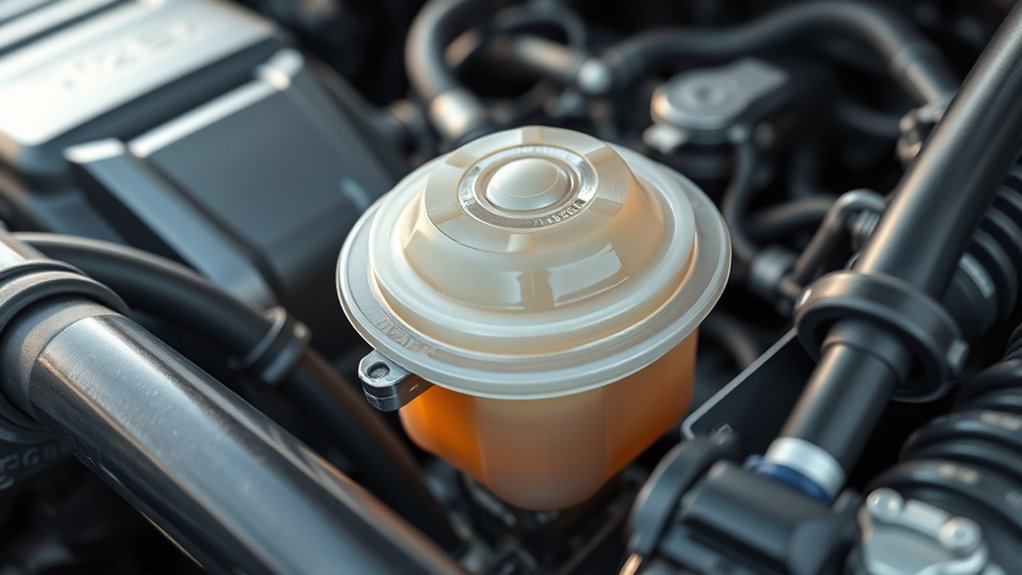
How do you determine the correct power steering fluid for your car? Start by consulting your vehicle’s owner manual, which specifies the exact type required based on your car’s make and model.
Carefully selecting the right fluid ensures optimal performance and prevents damage. Look for specifications such as DOT ratings or manufacturer approvals.
When comparing options, consider pricing strategies. Higher cost doesn’t always mean better quality, but extremely low prices may indicate subpar products.
Evaluate product reviews and certifications to balance cost and reliability. Additionally, some fluids are synthetic, while others are mineral-based; know which your system needs.
Why Using the Correct Power Steering Fluid Matters
Selecting the correct power steering fluid isn’t just about meeting manufacturer recommendations. It directly impacts your vehicle’s steering performance and system durability. Using fluid with incorrect viscosity or applying it at the wrong timing can cause significant issues.
Choosing the right power steering fluid is crucial for optimal performance and long-lasting system health.
Here’s why you need the right fluid:
- Prevent Component Wear: Incorrect viscosity leads to inadequate lubrication, increasing friction and accelerating wear on pumps and valves.
- Maintain Hydraulic Efficiency: Fluid properties affect pressure transmission. Wrong timing or fluid type can cause steering stiffness or noise.
- Avoid System Damage: Using incompatible fluid may degrade seals and hoses, causing leaks and costly repairs.
Reading Your Owner’s Manual for Fluid Specifications
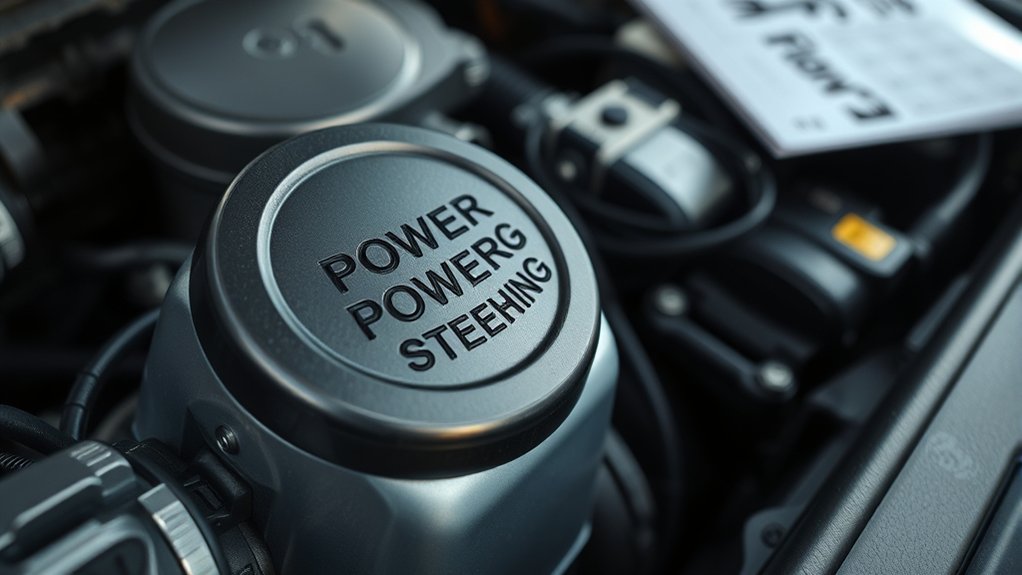
Where can you find the exact specifications for your power steering fluid? Your owner’s manual is the definitive source. It provides manufacturer-approved fluid types, viscosity ratings, and additives tailored for your system’s hydraulic requirements.
Relying on color comparison alone to identify fluid can lead to irreversible damage; fluids may look similar but differ chemically. The manual outlines critical details, such as whether synthetic or mineral-based fluid is required, preventing premature wear or seal degradation.
Always cross-reference the fluid type and specifications listed to ensure compatibility. Ignoring these guidelines risks contamination and mechanical failure. In summary, don’t guess. Consult your owner’s manual first to select the correct power steering fluid, safeguarding your vehicle’s hydraulic integrity and performance.
Common Types of Power Steering Fluid
You’ll encounter several common types of power steering fluid, each formulated for specific vehicle requirements. Understanding fluid compatibility is essential to prevent damage and maintain peak system performance.
Let’s review the main types and how to identify the right one for your vehicle.
Types Of Power Steering
Several types of power steering fluid exist, each formulated to meet specific system requirements. Selecting the right type reduces irreversible oxidation and minimizes hydraulic noise, ensuring optimal performance.
- Mineral-based fluids: Traditional fluids designed for older hydraulic power steering systems. They offer good lubrication but are more prone to oxidation and can increase hydraulic noise over time.
- Synthetic fluids: Engineered to resist oxidation and thermal breakdown. These fluids maintain stable viscosity, reducing hydraulic noise and extending system life.
- Automatic transmission fluid (ATF): Used in some power steering systems, ATF provides adequate lubrication and oxidation resistance but may not suit all vehicles due to varying additive packages.
Choosing the correct type prevents premature wear and maintains smooth steering operation.
Fluid Compatibility Guide
Although power steering systems may look similar, they require specific fluid types to function correctly. Using the wrong viscosity or fluids lacking proper zinc additives can lead to increased wear and system failure. You need to match your vehicle’s requirements precisely.
| Fluid Type | Compatibility & Notes |
|---|---|
| Mineral-Based | Common in older models; avoid wrong viscosity to prevent leaks. |
| Synthetic | Offers better temperature stability and longer life; usually includes zinc additives for wear protection. |
| Dexron/Mercon ATF | Used in some power steering systems; incompatible fluids cause seal damage. |
Always check your owner’s manual before selecting fluid to avoid costly repairs.
Synthetic vs. Mineral Power Steering Fluids
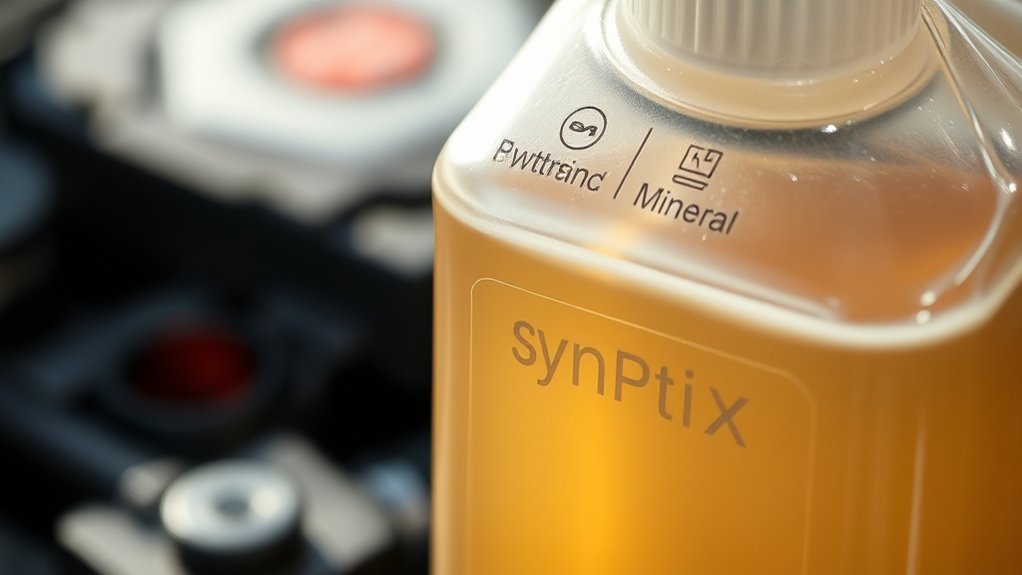
How do synthetic and mineral power steering fluids differ in performance and composition? Synthetic fluids are engineered with advanced chemical formulations, offering superior oxidation resistance, thermal stability, and longer service life. Mineral fluids, derived from refined petroleum, provide adequate lubrication but degrade faster under high temperatures.
When comparing synthetic vs. mineral fluids, consider these factors:
- Performance: Synthetic fluids maintain consistent viscosity and protect against wear better than mineral fluids.
- Fluid Compatibility: Always check your vehicle’s manufacturer guidelines, as mixing synthetic and mineral fluids can cause seal degradation or system malfunction.
- Cost and Availability: Synthetic fluids generally cost more but reduce maintenance frequency, while mineral fluids are more affordable and widely available.
Understanding these distinctions ensures you choose the right fluid for optimal power steering system longevity and efficiency.
What Happens If You Use the Wrong Power Steering Fluid
Choosing between synthetic and mineral power steering fluids affects not only system performance but also compatibility. Using the wrong fluid can degrade seals, cause leaks, and impair the hydraulic pump’s efficiency.
Selecting the right synthetic or mineral power steering fluid is crucial for system performance and seal integrity.
You risk accelerated wear due to incorrect additive formulations, which may not provide adequate lubrication or corrosion protection. This issue isn’t a tangential concept but a critical factor in maintaining steering integrity.
Ignoring manufacturer specifications leads to contamination, foaming, and overheating, undermining the entire system. Avoid confusing unrelated topic discussions, like general engine oil types, with power steering fluid requirements—they’re fundamentally different.
Ultimately, substituting fluids compromises your vehicle’s safety and control. To prevent costly repairs, always verify fluid compatibility with your specific make and model, ensuring optimal operation and longevity of your power steering system.
Signs Your Power Steering Fluid Needs Changing
When should you consider changing your power steering fluid? Timely replacement prevents damage and maintains system efficiency. Watch for these signs:
- Increased steering effort: If steering feels heavy or jerky, fluid viscosity may have degraded, reducing hydraulic performance.
- Fluid discoloration or contamination: Dark, opaque fluid or visible debris indicates breakdown or contamination, common with discontinued brands lacking updated formulations.
- Unusual noises: Whining or groaning sounds during steering often signal fluid aeration or low fluid quality, exacerbated when avoiding price gouging and opting for substandard alternatives.
Ignoring these signs risks pump failure and costly repairs. Regular monitoring ensures you avoid complications linked to poor-quality or discontinued power steering fluids.
Checking and Topping Off Power Steering Fluid Safely
Where do you locate the power steering fluid reservoir, and how can you safely verify its level? Typically, it’s near the engine, marked with a cap labeled “Power Steering.”
For generic car care, guarantee the engine is cool before opening the reservoir to avoid injury. Clean the cap and dipstick to prevent contamination. Check the fluid level against the dipstick markings.
If low, top off with the recommended fluid type, maintaining proper tuning aesthetics by avoiding overfilling.
| Step | Action | Precaution |
|---|---|---|
| Locate reservoir | Near engine, labeled cap | Engine cool, avoid burns |
| Clean cap/dipstick | Wipe before checking | Prevents dirt contamination |
| Check fluid level | Compare to dipstick marks | Accurate reading essential |
| Top off fluid | Add recommended fluid | Avoid overfilling |
| Secure cap | Tighten after topping off | Prevent leaks |
Tips for Maintaining Your Power Steering System
You should regularly check your power steering fluid levels to ensure optimal system performance and prevent damage. Always use a clean funnel and sealed containers to avoid contaminating the fluid with dirt or debris.
Keeping the system free from contaminants extends its lifespan and maintains smooth steering operation.
Checking Fluid Levels
How often should you check your power steering fluid levels to ensure ideal system performance? Regular monitoring is critical because low fluid can cause steering difficulty and damage. To maintain your system effectively, follow these steps:
- Park your vehicle on a level surface, turn off the engine, and wait for it to cool.
- Locate the power steering fluid reservoir, noting any disclosure requirements on the label regarding fluid type and safety.
- Remove the dipstick or cap, wipe it clean, reinsert, then withdraw to check the level against the minimum and maximum marks.
Being precise here helps avoid underfilling or overfilling, which can impact system reliability. Also, be aware of marketing angles when selecting fluid, ensuring compatibility with your vehicle’s specifications to maintain optimal performance.
Preventing System Contamination
Why does preventing contamination in your power steering system matter? Contaminants like dirt, metal shavings, and moisture degrade fluid performance and cause premature wear.
To maintain optimal function, always use a clean funnel and container when adding fluid. Avoid irrelevant chatter or unrelated tangents that distract you from this critical step.
Keep the reservoir cap tightly sealed to prevent airborne debris from entering. Regularly inspect hoses and seals for cracks or leaks, as damaged components invite contamination.
Flushing the system periodically removes accumulated particles, preserving hydraulic integrity. By following these precise practices, you avoid costly repairs and ensure smooth steering response.
Staying focused on contamination control, without distractions, will extend your power steering system’s lifespan and maintain its efficiency.
Where to Buy Quality Power Steering Fluid and What to Avoid
When choosing where to buy quality power steering fluid, look beyond just convenience or price. Finding pricing that balances cost and quality is essential, but you should also evaluate the credibility of retailer brands to ensure fluid authenticity and compatibility with your vehicle.
Prioritize both cost and credibility to ensure genuine, compatible power steering fluid for your vehicle.
Consider these factors:
- Authorized Dealers: Purchase from authorized retailers or the vehicle manufacturer’s recommended outlets to guarantee genuine products.
- Reputable Auto Parts Stores: Opt for well-known auto parts chains that stock certified fluids and provide clear product information.
- Avoid Unknown Online Sellers: Steer clear of unverified online sources offering unusually low prices, which may sell counterfeit or substandard fluids.
Frequently Asked Questions
Can I Use Automatic Transmission Fluid as Power Steering Fluid?
You shouldn’t use automatic transmission fluid as power steering fluid because it often has incorrect viscosity and lacks compatibility testing with steering systems. This can potentially cause leaks or damage. Always choose fluid specified by your vehicle’s manufacturer.
How Often Should I Flush the Power Steering Fluid Completely?
You should flush power steering fluid every 50,000 miles or two years, whichever comes first. Avoid unrelated topics like brake fluid.
This two-word discussion idea ensures system longevity and optimal steering performance without confusion.
Does Power Steering Fluid Expire or Go Bad Over Time?
Think of power steering fluid like milk; yes, it does expire. Over time, its shelf life degrades due to oxidation and contamination, causing reduced performance.
Always check the fluid’s condition before use to guarantee safety and efficiency.
Can Low Power Steering Fluid Cause Steering Wheel Vibration?
Yes, low power steering fluid can cause steering wheel vibration and noise. You’ll want to check for leaks, as insufficient fluid reduces hydraulic pressure, leading to pump strain and uneven steering performance.
Is Power Steering Fluid Toxic or Harmful to the Environment?
Yes, power steering fluid can be toxic, causing harmful exposure if ingested or contacted. It also poses environmental impact risks if improperly disposed, contaminating soil and water.
Always handle and dispose of it responsibly to minimize damage.
Conclusion
Choosing the right power steering fluid isn’t just a quick fix—it’s essential for your vehicle’s performance and safety. Imagine driving smoothly, with no unexpected steering issues, all because you picked the exact fluid your car demands.
Don’t risk damage by guessing or settling for convenience. Always check your owner’s manual, use a clean funnel, and source genuine fluid.
The right choice now keeps your steering responsive and your ride safe down the road. Remember, selecting the correct power steering fluid is key to maintaining optimal steering function.