You might not realize that checking your power steering fluid isn’t just about the level—it also involves assessing its color and clarity to ensure proper function.
Regularly checking your power steering fluid helps prevent issues before they become serious.
Skipping this step can lead to unnoticed wear or damage in your steering system.
Understanding the correct procedure and timing for this simple check can save you from costly repairs down the line.
Let’s explore how to locate and inspect your power steering fluid accurately.
This knowledge will help you maintain smooth steering and extend the life of your vehicle’s power steering system.
Key Takeaways
- Ensure the engine is off and the vehicle is on a level surface before checking the power steering fluid level.
- Clean the reservoir cap area, remove the cap, wipe the dipstick, reinsert it fully, then read the fluid level.
- Check the fluid’s color and clarity; it should be clear and free from discoloration or contamination.
- Use the manufacturer-recommended fluid type when adding to avoid damage or performance issues.
- Refer to the owner’s manual to locate the translucent reservoir and identify the correct fluid level markings.
What Power Steering Fluid Does And Why It’s Important
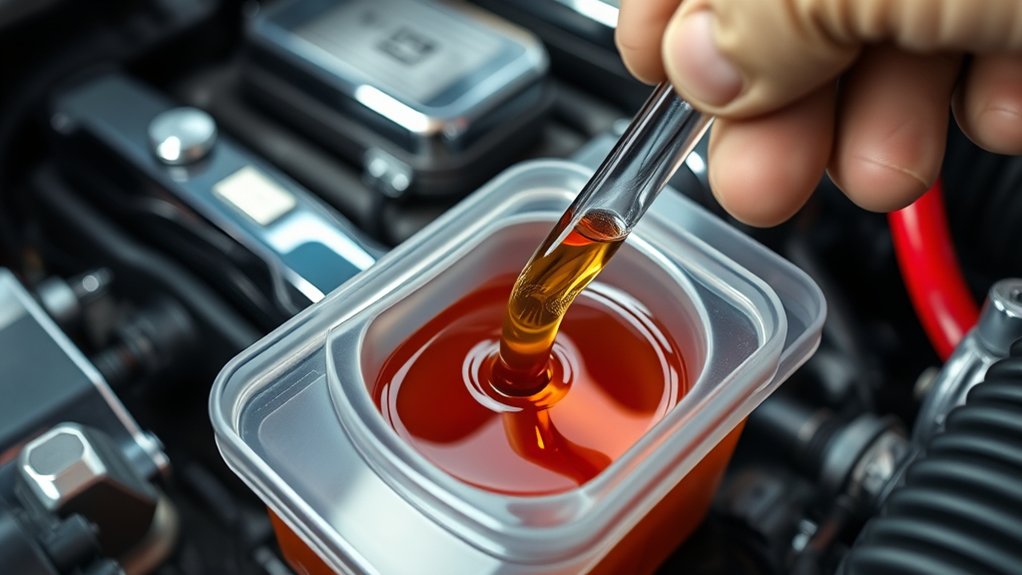
Why does power steering fluid matter? It plays an essential role in how power steering systems operate by transmitting hydraulic pressure. This pressure assists in turning the wheels smoothly and with less effort, improving vehicle control and safety.
Understanding how power steering fluid functions helps you maintain your system’s efficiency and prevents premature wear. You must prioritize fluid safety by using the correct type and avoiding contamination, which can compromise the system’s performance.
Power steering fluid also lubricates internal components, reducing friction and preventing corrosion. Neglecting fluid quality or levels can lead to steering difficulties, increased effort, or even system failure.
When To Check Power Steering Fluid And Why It Matters
You should check your power steering fluid at least every 30,000 miles or as recommended by your vehicle’s manufacturer. Maintaining proper fluid levels is essential to guarantee smooth steering and prevent system damage.
Ignoring this can lead to increased wear and costly repairs.
Ideal Checking Frequency
How often should you check your power steering fluid to maintain peak vehicle performance? Ideally, inspect the fluid level every 3,000 to 5,000 miles or during routine oil changes. This interval aligns with maintenance scheduling, helping you spot fine tuning red flags early.
Regular checks prevent unexpected steering issues by revealing leaks or contamination before they escalate. Additionally, if you notice steering stiffness, noises, or fluid discoloration, check immediately regardless of mileage.
Consistent monitoring supports optimal hydraulic pressure and prolongs system lifespan. By integrating power steering fluid checks into your maintenance routine, you ensure reliable steering response and avoid costly repairs. Stay proactive, don’t wait for symptoms to appear before you verify fluid condition and level.
Importance Of Fluid Levels
When should you check your power steering fluid to ensure your vehicle operates safely and efficiently? You should inspect it regularly, especially before long trips or if you notice steering issues. Maintaining proper fluid levels prevents system strain and potential pump failure.
Low fluid can cause increased steering effort, noise, and eventual damage. Conversely, overfilling may lead to leaks or aeration, impairing performance. Checking fluid when the engine is cold provides more accurate readings, as fluid expands when hot.
Prioritize this maintenance to avoid costly repairs and ensure responsive steering. Neglecting fluid levels compromises safety and drivability, making regular checks crucial for system longevity.
How To Locate The Power Steering Fluid Reservoir
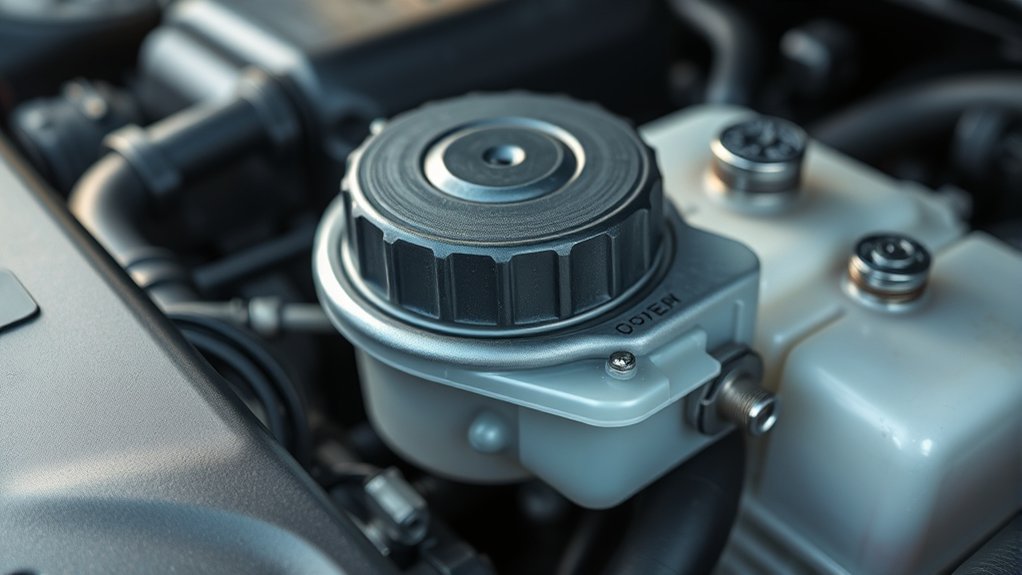
Where exactly is the power steering fluid reservoir located under your vehicle’s hood? Locating the reservoir typically involves looking near the engine’s front or side, often mounted on or near the power steering pump.
The reservoir is usually a translucent plastic container, allowing you to see fluid levels without opening it. When locating the reservoir, identify the cap by looking for markings such as “Power Steering” or a steering wheel icon.
The cap is often a screw-on or snap-on type, sometimes colored black or yellow to distinguish it from other fluid caps. Consult your vehicle’s owner manual for precise reservoir location if you’re unsure.
Properly locating the reservoir and identifying the cap are essential first steps before you check or add power steering fluid.
Checking Your Power Steering Fluid Level
After locating the power steering fluid reservoir and identifying its cap, you’re ready to check the fluid level. Avoid distractions such as irrelevant topic discussions or unrelated query concerns during this process. Follow these steps precisely:
- Ensure the engine is off and the vehicle is on a level surface to get an accurate reading.
- Clean the reservoir cap and surrounding area to prevent contamination.
- Remove the cap and wipe the dipstick clean, then reinsert it fully.
- Remove the dipstick again and check the fluid level against the marked indicators.
This method guarantees an accurate measurement of your power steering fluid level without confusion from irrelevant topic details or unrelated query distractions. Maintaining proper fluid level is essential for power steering system performance.
What To Look For In Your Power Steering Fluid
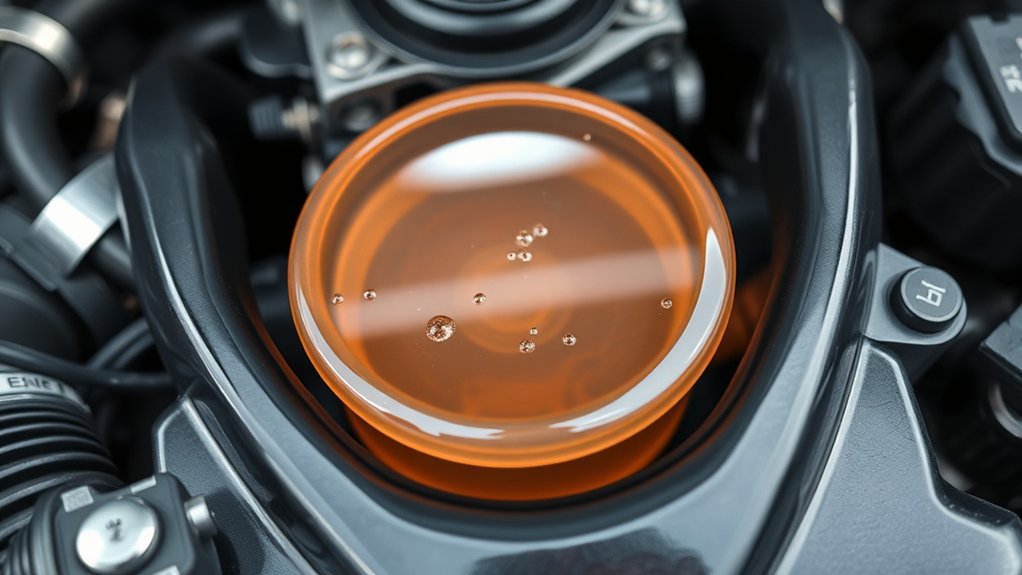
You need to examine the power steering fluid’s color and clarity to assess its condition. Clear, amber fluid indicates proper function, while dark or cloudy fluid suggests contamination or degradation.
Also, check the fluid level against the designated indicators on the reservoir to ensure it’s within the recommended range.
Fluid Color And Clarity
Power steering fluid serves as the lifeblood of your steering system, and its color and clarity offer critical clues about its condition. When you check the fluid, focus on these key indicators:
- Original Color: Typically clear, amber, or red; consult your owner’s manual for specifics.
- Color Changes: Darkening or a black tint signals contamination or oxidation.
- Clarity: Fluid should be transparent; cloudiness or particles indicate debris or degradation.
- Fluid Odor: A burnt smell suggests overheating or fluid breakdown, requiring immediate attention.
Regularly monitoring these aspects helps you detect early signs of wear or failure, ensuring your steering system remains responsive and safe. If you notice abnormal color changes or fluid odor, plan for a fluid flush or professional inspection promptly.
Fluid Level Indicators
Monitoring the fluid’s color and clarity provides insight into its condition, but confirming the fluid level is equally important for maintaining ideal steering performance. When checking fluid level indicators, locate the reservoir’s dipstick or translucent container with marked minimum and maximum lines.
Confirm the fluid sits between these marks while the engine is off and cold. Avoid confusing unrelated topics such as fluid type or reservoir shape with level indicators. Some modern vehicles incorporate brand new concepts, like electronic sensors displaying fluid status digitally; consult your owner’s manual for specifics.
Low fluid levels often signal leaks or worn components, requiring immediate attention. By focusing on precise fluid level indicators rather than extraneous details, you maintain system integrity and prevent potential steering failures efficiently.
How To Add Power Steering Fluid Safely
Adding fluid to the power steering reservoir requires careful attention to avoid contamination or overfilling. Properly adding fluid maintains driving safety and prevents damage caused by fluid contamination. Follow these steps:
- Clean the reservoir cap and surrounding area to prevent dirt entry.
- Use the manufacturer-recommended fluid type to ensure compatibility.
- Slowly pour fluid into the reservoir, checking the level frequently to avoid overfilling.
- Securely replace the cap and wipe off any spilled fluid to prevent degradation or slipping hazards.
Common Mistakes To Avoid When Checking Power Steering Fluid
How often should you check your steering fluid to ensure best performance? Avoid common mistakes like checking when the engine’s hot, which can give inaccurate readings. Always refer to the vehicle’s manual and understand glossary terms like “fluid reservoir” and “dipstick” to prevent errors.
Don’t overlook cleaning the dipstick before reinsertion; contaminants can skew results. Also, avoid overfilling, as excess fluid can cause leaks or pressure issues. When sharing tips online, practice social media etiquette by providing accurate, clear advice and citing reliable sources to prevent misinformation.
Lastly, never ignore unusual noises or fluid discoloration during checks. These indicate potential issues needing attention. Staying precise and methodical ensures your power steering system runs smoothly and safely.
How To Know When To Call A Pro For Your Power Steering
When should you call a professional for your power steering system? If you notice persistent issues beyond basic fluid checks, it’s time to seek expert help. Professionals excel at inspecting seals for leaks and testing pressure within the system, tasks requiring specialized tools and knowledge.
Consider calling a pro if you encounter:
- Unexplained fluid loss after topping off.
- Persistent whining or groaning noises during steering.
- Difficulty steering despite correct fluid levels.
- Visible damage or leaks around seals and hoses.
These symptoms often indicate deeper mechanical problems. Proper diagnosis involves precise pressure testing and thorough seal inspection to prevent system failure. Attempting repairs without expertise can worsen damage. Trust a professional to ensure your power steering system operates safely and efficiently.
Frequently Asked Questions
Can Power Steering Fluid Cause Engine Damage if Leaked?
Yes, power steering fluid leaks can cause engine damage if the fluid contacts belts or electrical components, leading to deterioration or shorts.
You should fix leaks promptly to protect your engine’s performance and avoid costly repairs.
How Often Should Power Steering Fluid Be Replaced Completely?
Think of your power steering fluid as the lifeblood of your steering system. Replace it every 2-3 years or 30,000 miles.
Watch for signs of PS fluid leaks like whining noises or difficulty steering; they signal urgent replacement.
Are There Differences Between Synthetic and Regular Power Steering Fluids?
Yes, synthetic vs regular power steering fluids differ in additives and performance. You’ll want to guarantee fluid compatibility with your vehicle’s specifications to avoid damage and maintain optimal steering system function.
Always check manufacturer recommendations.
Can I Use Automatic Transmission Fluid Instead of Power Steering Fluid?
Think automatic transmission fluid works for power steering? Don’t risk it. Power steering fluid compatibility varies, and using ATF can cause damage. Always use the manufacturer-recommended fluid to guarantee proper function and avoid costly repairs.
What Symptoms Indicate a Failing Power Steering Pump?
You’ll notice whining noises and stiff steering during two-word discussion ideas like “engine oil” or “brake pads” checks. These symptoms point to a failing power steering pump, demanding prompt inspection and potential replacement to avoid further damage.
Conclusion
Checking your power steering fluid is like tuning a finely crafted instrument—it keeps your ride smooth and responsive. By regularly inspecting the fluid level and quality, you avoid costly damage and maintain optimal steering performance.
Remember, a clean reservoir, correct fluid type, and proper level are your best allies. If you notice leaks or strange noises, don’t hesitate to call a pro.
Stay proactive, and your steering system will thank you with every turn. Always checking the power steering fluid helps ensure your vehicle’s steering remains safe and reliable.