Did you know that nearly 30% of steering-related vehicle failures are linked to low or contaminated power steering fluid? Checking the power steering fluid regularly is essential for maintaining safe and efficient steering performance.
To do this, you’ll need to locate the reservoir and use a systematic approach to check both the fluid level and quality. Understanding this process can help you avoid costly repairs.
But first, you must know exactly what to look for when inspecting your power steering fluid.
Key Takeaways
- Locate the power steering fluid reservoir, usually near the engine firewall, and identify it by the steering wheel symbol or labeled cap.
- Clean the reservoir cap and dipstick with a lint-free rag before removing to prevent fluid contamination.
- Remove the dipstick, wipe it clean, reinsert fully, then remove again to check the fluid level between MIN and MAX marks.
- Inspect fluid color; healthy fluid is clear amber or light red, while dark or burnt-smelling fluid indicates contamination.
- If fluid is low or contaminated, top off with manufacturer-recommended fluid, check for leaks, and consider a fluid flush if needed.
Why Checking Power Steering Fluid Matters
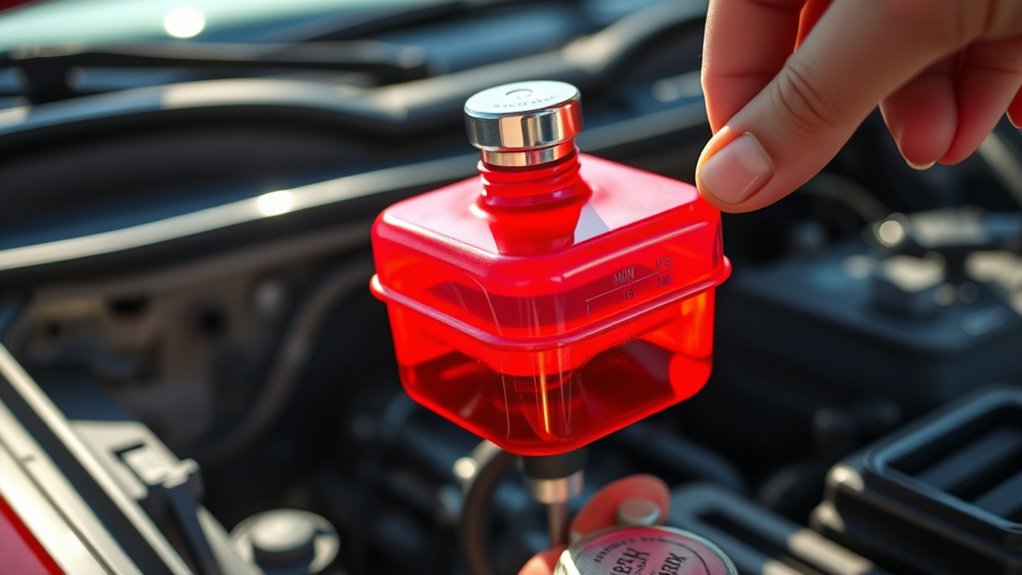
Why should you regularly check your power steering fluid? It’s an interesting topic that often takes an unexpected direction when you realize how critical fluid levels are for steering performance and safety.
Regularly checking power steering fluid reveals its crucial role in steering performance and vehicle safety.
When you maintain proper fluid levels, you ensure the hydraulic system operates smoothly, reducing steering effort and preventing component wear. Low or contaminated fluid can cause pump failure, increased steering resistance, or noisy operation.
Checking fluid isn’t just about topping off; it’s a diagnostic step that helps detect leaks or contamination early. By methodically inspecting the fluid’s level and condition, you avoid costly repairs and maintain precise control over your vehicle.
This technical maintenance task directly impacts your driving experience and vehicle longevity.
When to Check Your Power Steering Fluid
Monitor your power steering fluid at regular intervals and after any signs of steering difficulty. Routine fluid maintenance is essential to prevent system wear and ensure smooth operation.
Check the fluid level every 3,000 to 5,000 miles or as recommended by your vehicle’s manufacturer. Additionally, perform checks after extended drives, extreme temperature changes, or if you detect unusual noises or stiffness while steering.
Power steering fluid can degrade or leak over time, so timely inspections help you identify issues early. Incorporate two word discussion ideas like “fluid level” and “system performance” to focus your assessments.
Tools and Supplies for Checking Power Steering Fluid
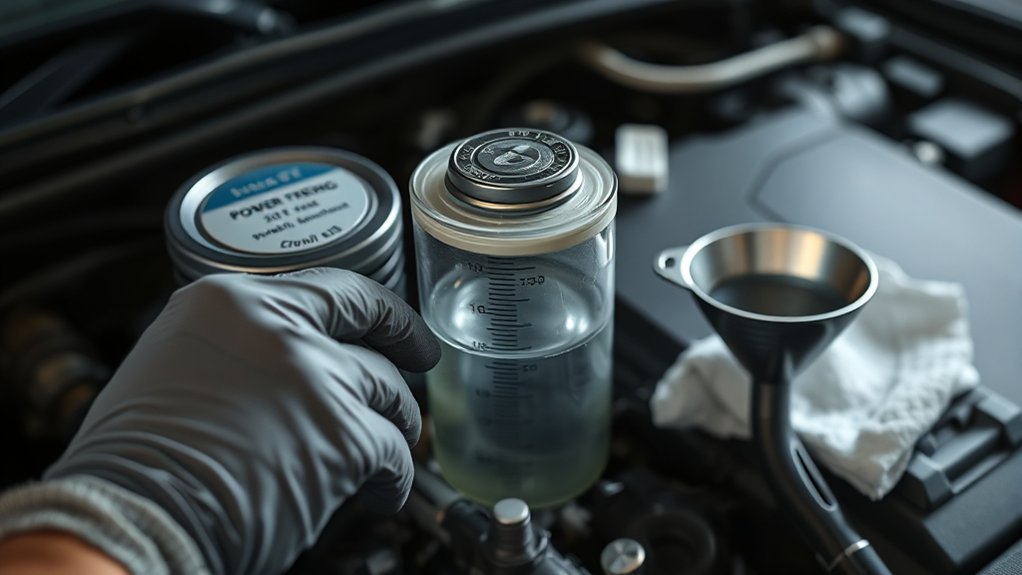
What tools do you need to accurately check your power steering fluid? Start with a clean, lint-free rag for wiping the dipstick or reservoir cap. A flashlight is essential to illuminate the fluid reservoir, especially in low-light conditions, ensuring precise fluid level readings.
Keep a pair of gloves handy to protect your hands from contaminants during engine maintenance. Additionally, have a funnel ready if you need to add fluid, preventing spills and maintaining shop organization.
While some vehicles have dipsticks integrated into the reservoir cap, others require visual inspection. Organizing these tools systematically in your workspace streamlines the process and reduces errors.
Locating the Power Steering Fluid Reservoir
You’ll typically find the power steering fluid reservoir near the engine, often on or near the firewall. Look for a cap labeled with a steering wheel symbol or marked “Power Steering.”
Once located, check the fluid level markings on the reservoir to guarantee accurate measurement.
Common Reservoir Locations
Where exactly is the power steering fluid reservoir located? Finding it is straightforward if you avoid unrelated topic or off topic discussion that might confuse the process. Typically, the reservoir sits in one of three common locations:
- Near the engine’s firewall: Often mounted on or near the driver’s side firewall, making it accessible but out of the way.
- Close to the power steering pump: Sometimes attached directly to or near the pump itself, usually near the front of the engine.
- Integrated within a combined reservoir: In some newer vehicles, it shares space with other fluid reservoirs, requiring careful identification.
Knowing these typical locations helps you quickly pinpoint the reservoir without wasting time searching irrelevant areas under the hood. This methodical approach streamlines the fluid check process.
Identifying Reservoir Cap
Once you locate the power steering fluid reservoir, the next step involves identifying its cap to ensure you’re checking the correct container. Start by examining the cap design, which typically features a distinct symbol, often a steering wheel icon or the letters “PSF.” This differentiates it from other fluid reservoirs under the hood.
The cap may be colored, commonly black or yellow, and often includes instructions or warnings printed on top. When identifying reservoir caps, note that the power steering fluid cap usually has a threaded or snap-on style designed for a secure seal.
Avoid confusing it with the brake fluid or coolant caps, as their shapes and labels differ. Accurate identification ensures you maintain the correct fluid system without causing contamination or damage.
Checking Fluid Level Markings
How can you accurately determine the correct fluid level in the power steering reservoir? Start by locating the reservoir, usually translucent plastic, enabling easy fluid level inspection. Focus on checking symbols and color indicators to interpret the markings correctly.
- Identify the “MIN” and “MAX” symbols etched or printed on the reservoir’s side, indicating the minimum and maximum fluid levels.
- Observe the color indicators; the fluid should lie between these markings when the engine is cold or warm, depending on manufacturer instructions.
- Ensure the fluid level is within the specified range. Levels below “MIN” require topping up, while exceeding “MAX” can cause system issues.
How to Check Your Power Steering Fluid Level and Condition
Why should you regularly check your power steering fluid level and condition? Maintaining proper fluid levels ensures smooth steering and prevents damage to the power steering pump.
Begin by locating the reservoir, often near the check engine area. Clean the reservoir cap and dipstick to avoid contamination. Remove the dipstick, wipe it, then reinsert and remove it again to check the fluid level against the markings. The fluid should be between the minimum and maximum indicators.
Next, inspect the fluid’s color and clarity; it should be translucent and amber. Dark, cloudy, or burnt-smelling fluid indicates contamination.
Incorporate this check into your routine vehicle maintenance, such as during tire rotation or when you scan for check engine warnings, to maintain optimal steering performance and detect issues early.
What to Do If Your Power Steering Fluid Is Low or Contaminated
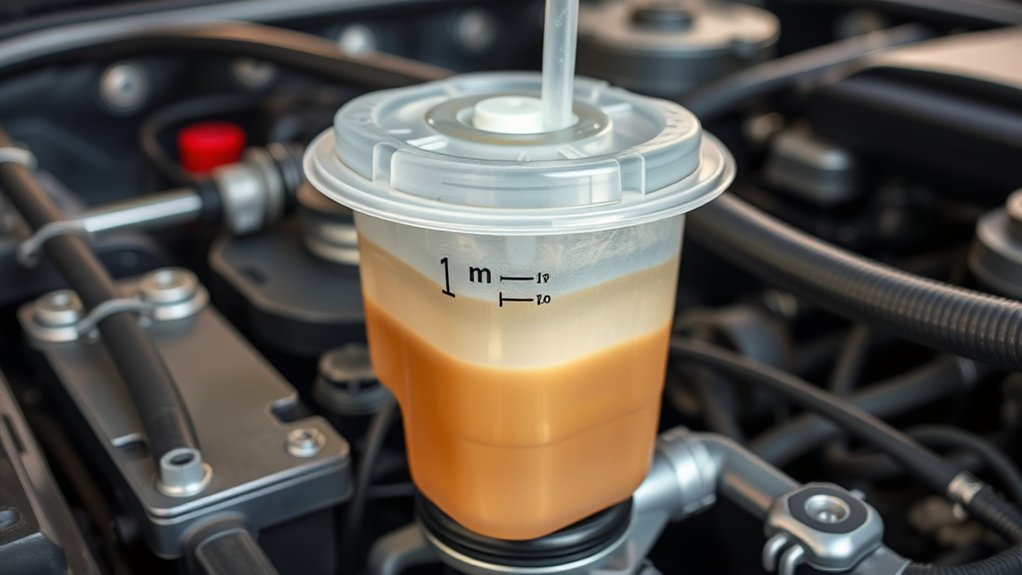
If you find your power steering fluid level below the recommended range or notice signs of contamination, you need to address it promptly to avoid steering issues or pump damage. Low oil in the power steering system can cause increased steering effort and potential component failure.
- Top off the reservoir with the manufacturer-approved fluid type, ensuring the level sits within the specified marks.
- Inspect for leaks around hoses and the pump; low fluid often indicates a leak requiring repair.
- Since low tire inflation affects handling, verify tire pressure to rule out steering feel issues unrelated to fluid condition.
If contamination persists after topping off, perform a complete fluid flush to restore system integrity and prevent internal damage.
Tips for Keeping Your Power Steering Fluid Healthy
You should regularly check your power steering fluid level to maintain optimal performance. Always use the fluid type recommended by your vehicle manufacturer to prevent damage.
Additionally, monitor the fluid’s color for signs of contamination or degradation.
Regular Fluid Level Checks
Regularly checking your power steering fluid level is essential for maintaining optimal steering performance and preventing costly repairs. As dream car mechanics would advise, consistent monitoring helps you catch leaks or contamination early.
Follow these steps in your clean garage to ensure accuracy:
- Locate the power steering reservoir, usually marked and near the engine bay.
- With the engine off and cool, remove the dipstick or cap and wipe it clean.
- Reinsert the dipstick fully, then remove it again to check the fluid level against the marked indicators.
Maintaining the fluid within the recommended range prevents pump damage and steering issues. Performing these checks weekly or monthly, depending on your driving conditions, supports your vehicle’s longevity and responsiveness.
Use Recommended Fluid Type
How do you guarantee your power steering system operates smoothly and avoids premature wear? The answer lies in using the recommended fluid type specified by your vehicle’s manufacturer. Power steering systems rely on precisely formulated hydraulic fluids designed for optimal viscosity and chemical stability.
Using an incompatible fluid can cause seal degradation, erratic steering response, or pump failure. Consult your owner’s manual or service guide to identify the exact fluid specification, avoiding irrelevant substitutes such as generic transmission or brake fluids.
When you purchase fluid, look for certified products matching the two word ideas “power steering.” Always use a clean container and avoid mixing fluid types, as contamination alters performance. This methodical approach ensures the fluid maintains proper lubrication and hydraulic function, extending system life and maintaining reliable steering control.
Monitor Fluid Color Changes
Power steering fluid color serves as a critical diagnostic indicator of system health. Through diligent fluid monitoring, you can detect early signs of contamination or degradation, preventing costly repairs.
Here’s how to monitor fluid color changes effectively:
- Check Fluid Color Regularly: Healthy power steering fluid typically appears clear, amber, or light red. Dark or cloudy fluid signals oxidation or contamination.
- Identify Sudden Changes: A rapid shift to dark brown or black usually indicates overheating or component wear, requiring immediate attention.
- Look for Particulate Matter: Presence of metal shavings or debris in the fluid suggests internal damage, necessitating system inspection.
Signs Your Power Steering Fluid Needs Attention
When should you be concerned about your steering system’s fluid? Ignoring signs of deteriorating power steering fluid can lead to steering issues and costly repairs. Some symptoms are clear indicators that fluid needs your attention, while others are not relevant to fluid condition and relate to other maintenance tasks.
| Symptom | Possible Cause |
|---|---|
| Whining noise when turning | Low or contaminated fluid |
| Stiff steering wheel | Insufficient fluid pressure |
| Fluid leaks under the hood | Damaged hoses or reservoir |
If you notice whining sounds or increased steering effort, check the fluid level and quality immediately. Regularly inspecting these signs helps maintain optimal steering performance and prevents damage to the power steering system.
Frequently Asked Questions
Can I Use Any Type of Fluid for Power Steering?
You can’t use just any fluid for power steering; the wrong type risks damage. For precise discussion ideas, always consult your vehicle’s manual to ensure the correct fluid, safeguarding your power steering fate effectively and methodically.
How Often Should Power Steering Fluid Be Completely Replaced?
You should completely replace power steering fluid every 50,000 miles or as recommended by your vehicle’s manual. Regular inspections and maintenance help prevent system damage and ensure optimal steering performance.
What Causes Power Steering Fluid Leaks?
You’ll find leak sources in worn seals, damaged hoses, or a faulty pump. Signs below include fluid puddles under your vehicle, steering difficulty, or whining noises, indicating you should inspect these components promptly to prevent damage.
Is Power Steering Fluid Toxic or Hazardous?
Yes, power steering fluid poses a toxic risk if ingested or improperly handled. You should wear gloves and avoid skin contact.
Always follow handling precautions to prevent exposure and environmental contamination during maintenance or disposal.
Can Low Power Steering Fluid Damage the Power Steering Pump?
Of course, running your power steering pump on low fluid is a fantastic way to accelerate pump wear because nothing says “efficient engineering” like forcing metal parts to grind dry.
You’ll cause serious pump damage if you ignore low fluid levels.
Conclusion
Just like a seasoned captain trusts their compass, you must rely on your power steering fluid to navigate smoothly. Regularly checking its level and condition ensures your steering system performs with precision and longevity.
Don’t ignore low or contaminated fluid—address it promptly to avoid costly repairs. By maintaining this essential component methodically, you keep your vehicle’s handling sharp, much like a well-tuned instrument ready for any journey ahead.
In conclusion, regularly checking the power steering fluid is key to ensuring safe and efficient vehicle operation.