You might assume power steering fluid lasts indefinitely, but power steering fluid actually degrades over time due to heat, moisture, and contaminants. This breakdown affects viscosity and hydraulic efficiency, potentially leading to increased steering effort and system damage.
Understanding how to identify fluid deterioration and knowing when to replace it can save you from costly repairs. Let’s explore what causes power steering fluid to go bad and how to keep your steering system performing smoothly.
Key Takeaways
- Power steering fluid degrades over time due to heat, moisture, and contamination, losing its lubrication and hydraulic properties.
- Signs of bad fluid include discoloration, burnt smell, increased steering resistance, and presence of metal particles or foam.
- Excessive heat accelerates fluid breakdown, causing oxidation, sludge formation, and damage to seals and pump components.
- Regular fluid replacement, typically every 50,000 to 100,000 miles, prevents system wear and maintains steering performance.
- Using the correct fluid type and flushing the system as recommended helps avoid premature fluid failure and costly repairs.
What Is Power Steering Fluid and Its Role in Your Vehicle
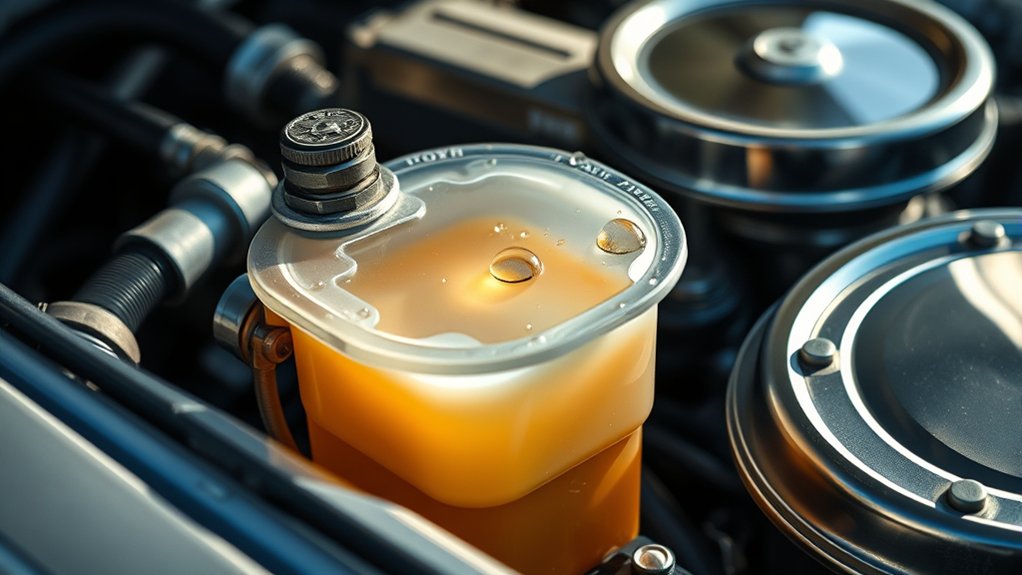
Power steering fluid is a specialized hydraulic fluid that transmits the force necessary to assist in steering your vehicle. It operates within the power steering system, converting your steering input into hydraulic pressure, which then moves the steering gear.
This fluid’s viscosity and lubrication properties are critical for efficient power training of the steering mechanism, ensuring smooth and responsive control. While solar panels aren’t directly related to power steering fluid, advancements in solar-powered electric vehicles emphasize the importance of efficient fluid dynamics and energy use in automotive systems.
Maintaining the correct fluid type and level is essential, as it prevents wear and overheating in the power steering pump and rack. Understanding this fluid’s role helps you appreciate its importance in your vehicle’s steering performance.
Can Power Steering Fluid Degrade Over Time?
You should know that power steering fluid can degrade over time due to changes in its chemical composition caused by heat, moisture, and contamination. Environmental factors like extreme temperatures and exposure to air accelerate this breakdown.
Recognizing signs such as discoloration, increased viscosity, or a burnt smell can help you identify when the fluid has deteriorated.
Fluid Composition Changes
How long can steering fluid maintain its effectiveness before it starts to break down? Over time, the fluid’s chemical composition changes due to heat, oxidation, and contamination. These changes reduce its lubricating and hydraulic properties, leading to increased friction and noise amplification in the steering system.
As the fluid degrades, it loses viscosity and develops harmful acids and sludge, accelerating irreversible wear on seals and pump components. You’ll notice this through harder steering, unusual noises, or sluggish response. Maintaining fresh fluid is crucial because degraded fluid compromises system performance and longevity.
Regularly checking and replacing your power steering fluid ensures it retains its protective qualities, preventing damage and noise issues linked to deteriorated fluid composition.
Environmental Impact Factors
Beyond chemical breakdown, environmental conditions also play a significant role in how quickly steering fluid degrades. Exposure to extreme temperatures, moisture, and contaminants accelerates the risk of irreversible corrosion within the steering system.
You must consider these factors to maintain policy compliance and avoid mechanical failures. The table below summarizes key environmental impact factors:
| Factor | Impact on Fluid | Resulting Risk |
|---|---|---|
| High Temperature | Accelerates oxidation | Viscosity loss |
| Moisture | Promotes contamination | Corrosion, system damage |
| Contaminants | Introduce abrasive particles | Seal wear, fluid breakdown |
Signs of Fluid Degradation
Detecting signs of power steering fluid degradation is essential to maintaining system performance and preventing costly repairs. Over time, fluid properties change due to heat, contamination, and oxidation, impacting non-vehicle fluid dynamics within the steering system. This subtopic idea focuses on recognizing these changes early.
Look for these key indicators:
- Darkened or cloudy fluid color, signaling oxidation or contamination
- Unusual odor resembling burnt oil, indicating thermal breakdown
- Increased steering resistance or noise, reflecting reduced lubrication
- Presence of metal particles or debris, suggesting internal wear
- Foam or bubbles in the fluid, disrupting hydraulic pressure
Monitoring these symptoms helps you address degradation promptly, ensuring optimal system function and avoiding failure caused by compromised fluid properties.
How Heat and Contamination Damage Power Steering Fluid
Although power steering fluid is designed to withstand high temperatures, excessive heat can degrade its properties rapidly. When exposed to sustained heat, the fluid’s viscosity breaks down, reducing its ability to lubricate and transmit hydraulic pressure efficiently.
Contamination further accelerates this deterioration. Dirt, metal particles, and moisture infiltrate the system, causing oxidation and corrosion that compromise fluid performance.
You might encounter irrelevant topics or nonessential concepts suggesting power steering fluid lasts indefinitely under all conditions, but neglecting heat and contamination effects risks system damage.
Understanding these factors helps you prevent premature fluid failure and maintain steering responsiveness. Proper fluid integrity relies on controlling temperature exposure and preventing contaminants, making these considerations critical for the longevity and safety of your power steering system.
How to Check the Condition of Your Power Steering Fluid
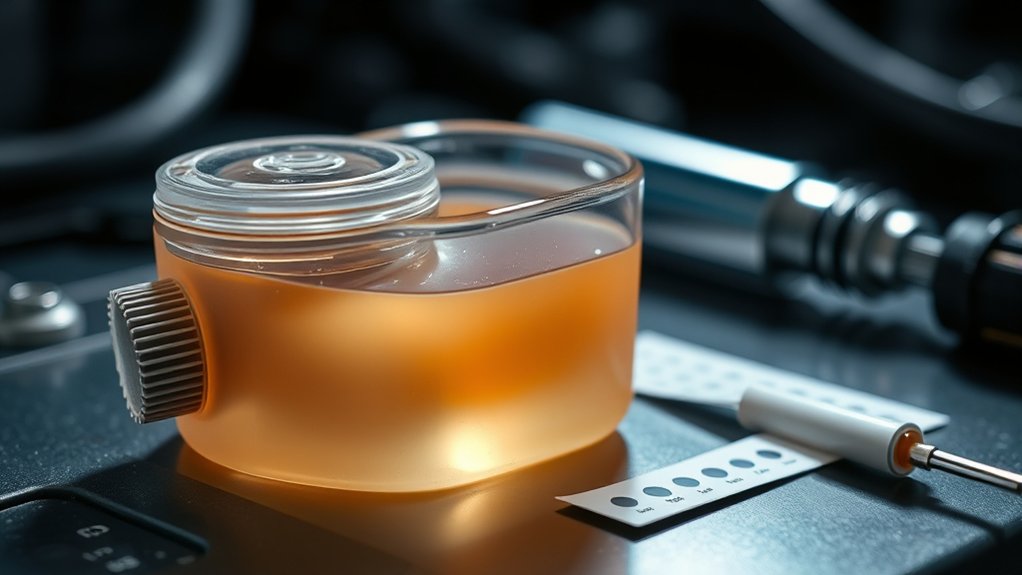
Maintaining the quality of your power steering fluid starts with regular inspections to identify signs of heat damage or contamination. Think of it not as an unrelated analogy to marketing potential but as a critical maintenance step. To check your fluid’s condition, follow these steps:
Locate the power steering reservoir and clean its cap to avoid contamination. Remove the dipstick or check the reservoir fluid level visually. Observe the fluid’s color; healthy fluid is typically clear or amber.
Smell the fluid; a burnt odor indicates overheating. Check for particles or cloudiness that signal contamination.
Signs Your Power Steering Fluid Needs Replacement
You’ll notice your power steering fluid needs replacement if its color shifts from clear to dark or murky. Pay attention to any unusual noises when turning the steering wheel, as this can indicate fluid breakdown.
Additionally, difficulty steering or increased effort in turning signals that the fluid may no longer be effectively lubricating the system.
Fluid Color Changes
How can you tell if your power steering fluid needs changing? One of the most precise indicators is a change in fluid color. Unlike an irrelevant topic or unrelated concept, fluid color directly reflects the fluid’s condition.
Fresh power steering fluid typically appears clear, amber, or light red. Over time, contamination and oxidation cause it to darken or become cloudy, signaling degradation.
Watch for these signs:
- Fluid turning dark brown or black
- Presence of metal particles or debris
- Cloudiness or milky appearance indicating water contamination
- Unusual sediment or sludge forming at the bottom
- Extreme color changes inconsistent with manufacturer specifications
Monitoring these changes helps you address fluid quality without confusing unrelated symptoms, ensuring reliable steering performance.
Steering Wheel Noise
Why does your steering wheel make noise when you turn it? Typically, this noise signals that your power steering fluid may have degraded or become contaminated. When fluid loses its lubricating properties, the pump and steering components experience increased friction, producing whining or squealing sounds.
Unlike an unrelated topic or a random tangent, this noise directly correlates to fluid condition. Low or dirty fluid causes air to enter the system, amplifying the noise. Addressing this promptly prevents further wear on the pump and steering gear.
If you notice consistent noise during turns, check fluid levels and quality immediately. Replacing old power steering fluid restores proper lubrication, reduces noise, and maintains system efficiency, ensuring smooth, quiet steering without unnecessary mechanical strain.
Difficulty Turning Wheel
When does turning your steering wheel become noticeably harder? This symptom often signals that your power steering fluid has degraded or needs replacement. Reduced fluid efficiency impacts hydraulic pressure, increasing steering effort.
Don’t confuse this with an irrelevant topic like tire pressure or unrelated discussion about suspension issues. They’re separate concerns. Focus on these technical signs indicating fluid problems:
- Steering response feels sluggish or stiff
- Increased effort required during low-speed maneuvers
- Jerky or uneven wheel movement
- Unusual resistance or feedback from the steering wheel
- Persistent difficulty despite unrelated system checks
If you experience these, inspect your power steering fluid level and condition promptly to prevent further damage and ensure safe, smooth steering performance.
How Often to Change Power Steering Fluid
Determining the ideal interval for changing your power steering fluid depends on several factors, including the vehicle manufacturer’s recommendations and your driving conditions. Typically, manufacturers suggest fluid replacement every 50,000 to 100,000 miles, but this varies.
If you drive in harsh environments, such as frequent stop-and-go traffic, extreme temperatures, or dusty roads, you might need more frequent changes. During routine maintenance, check the fluid’s color and consistency; dark or contaminated fluid signals a need for replacement.
While researching, avoid unrelated topics and focus on credible sources for discussion ideas about your specific vehicle model. Staying within recommended intervals ensures your steering system operates efficiently without premature wear.
Regular fluid changes maintain hydraulic pressure and prevent component damage, optimizing steering responsiveness and vehicle safety.
Risks of Skipping Power Steering Fluid Changes
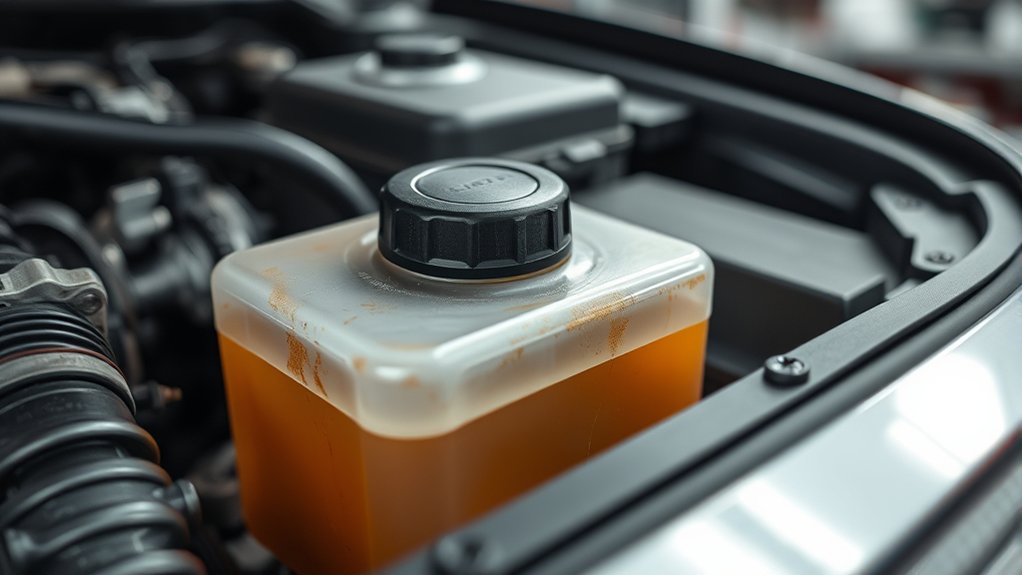
How does neglecting power steering fluid changes affect your vehicle? Skipping these essential maintenance steps can lead to severe mechanical issues and increased repair costs.
As a novice maintenance enthusiast, you might underestimate the importance of fresh fluid in preserving system integrity. Ignoring fluid changes risks:
- Accelerated wear of the power steering pump and rack
- Increased likelihood of fluid contamination and sludge buildup
- Reduced steering responsiveness and increased effort
- Potential voiding of your vehicle’s warranty due to neglect
- Higher probability of costly component failures requiring replacement
Regularly changing power steering fluid prevents degradation, ensuring optimal lubrication and hydraulic function. Don’t overlook this maintenance task; it safeguards your steering system’s performance and your vehicle’s long-term reliability while avoiding warranty implications.
Choosing the Right Power Steering Fluid
You need to select the correct type of power steering fluid based on your vehicle’s specifications to ensure ideal performance. Pay close attention to fluid compatibility, as using the wrong type can cause damage to the steering system.
Always consult your owner’s manual or manufacturer guidelines before making a choice.
Types Of Power Steering Fluids
Although power steering systems may seem similar, the fluids they require can vary considerably depending on your vehicle’s make and model. Using the wrong type compromises hydraulic efficiency and may cause irreversible damage to your steering components.
Here are the common types of power steering fluids you should know:
- Mineral-based fluids: Traditional fluids for older systems, offering basic lubrication.
- Synthetic fluids: Provide enhanced thermal stability and oxidation resistance.
- Automatic Transmission Fluid (ATF): Sometimes specified by manufacturers, especially in certain Asian vehicles.
- DOT brake fluids: Rarely used but specified in some European models.
- OEM-specific fluids: Designed to meet proprietary formulations for particular brands.
Choosing the correct fluid ensures peak performance and prevents costly repairs due to fluid incompatibility.
Fluid Compatibility And Specifications
Why does selecting the correct power steering fluid matter so much? Using a fluid that meets your vehicle manufacturer’s specifications ensures proper lubrication, corrosion protection, and hydraulic performance.
Fluids differ in viscosity, additives, and base oil types. Choosing one outside these parameters risks damaging seals or pump components.
Don’t confuse this with an irrelevant topic like unrelated theme discussions on automotive fluids; fluid compatibility is a critical technical consideration. Always consult your owner’s manual to find the exact fluid type, such as ATF or specialized power steering fluid, required for your system.
Mixing incompatible fluids can cause foaming, seal deterioration, and uneven steering response. In short, ignoring fluid specifications jeopardizes steering reliability and can lead to costly repairs.
How to Flush and Replace Power Steering Fluid
How often should you flush and replace power steering fluid to maintain optimal system performance? Generally, every 50,000 miles or as your vehicle’s manual suggests. Flushing removes contaminants that degrade fluid quality, ensuring efficient steering.
Avoid confusing this with an irrelevant topic or unrelated concept like brake fluid replacement; each system has distinct requirements.
To flush and replace power steering fluid:
- Locate the reservoir and drain old fluid completely.
- Use a turkey baster or siphon to remove residual fluid.
- Refill with manufacturer-specified fluid.
- Start the engine and turn the steering wheel from lock to lock to circulate fluid.
- Check fluid level and top off as needed.
This precise method maintains hydraulic integrity and prevents premature component wear.
Tips to Maintain a Smooth Power Steering System
Flushing and replacing your power steering fluid regularly helps maintain system performance, but ongoing care extends beyond fluid maintenance. You should routinely inspect the power steering pump and hoses for leaks or cracks, as these can compromise hydraulic pressure and smooth operation.
Avoid introducing an irrelevant topic like unrelated concept maintenance steps that don’t directly impact steering components, such as unrelated suspension work, to keep your focus streamlined. Additionally, ensure the fluid reservoir cap is sealed tightly to prevent contamination.
Check belt tension on the power steering pump; a loose or worn belt can cause noise and reduced assist. Finally, address any unusual noises or steering stiffness promptly to prevent damage. These targeted measures keep your power steering system responsive and efficient.
Frequently Asked Questions
Can Power Steering Fluid Cause Damage if Mixed With Brake Fluid?
Yes, mixing power steering fluid with brake fluid can cause severe damage, including seal deterioration and system failure. Avoid this unrelated subtopic by maintaining fluid purity. Two-word discussion ideas: contamination prevention, fluid compatibility.
Is Power Steering Fluid Flammable or Hazardous to Handle?
Imagine a mechanic ignoring fluid safety and spilling power steering fluid near a heater. It’s flammable. You must ensure power compatibility and handle it carefully to prevent fire hazards and maintain system integrity during servicing or replacement.
Can Low Power Steering Fluid Cause Engine Overheating?
Low fluid in your power steering system doesn’t directly cause engine overheating, but contamination concerns and compatibility issues could strain the pump, indirectly raising overheating risk.
Maintain proper fluid levels to avoid these technical complications.
Are There Eco-Friendly Alternatives to Traditional Power Steering Fluids?
Like a river flowing clean, eco-friendly alternatives to traditional power steering fluids use biodegradable, non-toxic additives. You’ll find synthetic ester-based fluids offering superior lubrication while reducing environmental impact without compromising your power steering system’s performance.
Does Electric Power Steering Use Any Fluid at All?
Electric power steering doesn’t use traditional power steering fluid, so fluid compatibility isn’t a concern. Instead, it relies on electric motors, making maintenance simpler and eliminating issues related to fluid degradation or leaks in hydraulic systems.
Conclusion
Don’t delay diligence when dealing with degraded power steering fluid. Dirty, deteriorated fluid diminishes drive dynamics, demanding more effort and damaging delicate components. Regularly reviewing and replacing fluid prevents pricey problems, promotes peak performance, and preserves pump and rack reliability.
Remember, selecting the specified solution safeguards system success. Stay sharp, schedule steady service, and sustain smooth steering for safer, smarter, and smoother driving.
Your power steering’s proper performance depends on proactive maintenance and understanding that power steering fluid does go bad.