You rely on your car’s power steering fluid every time you turn the wheel, but do you know what power steering fluid actually does?
This specialized hydraulic fluid transmits pressure from the steering pump to the gear, reducing effort and ensuring smooth control.
It also lubricates components and prevents corrosion, making its quality and level essential for performance.
Understanding its function is key before you address common issues or maintenance.
Key Takeaways
- Power steering fluid is a hydraulic medium that transmits pressure from the pump to assist in steering wheel movement.
- It maintains proper viscosity and lubrication to prevent wear and overheating in the steering system.
- The fluid creates hydraulic pressure that reduces the effort needed to turn the wheels and ensures precise steering response.
- Power steering fluid differs from other automotive fluids like engine oil or coolant and requires specific compatibility.
- Clean, adequate fluid levels are essential for smooth operation, preventing noise, stiffness, and premature component wear.
What Is Power Steering Fluid and How It Works
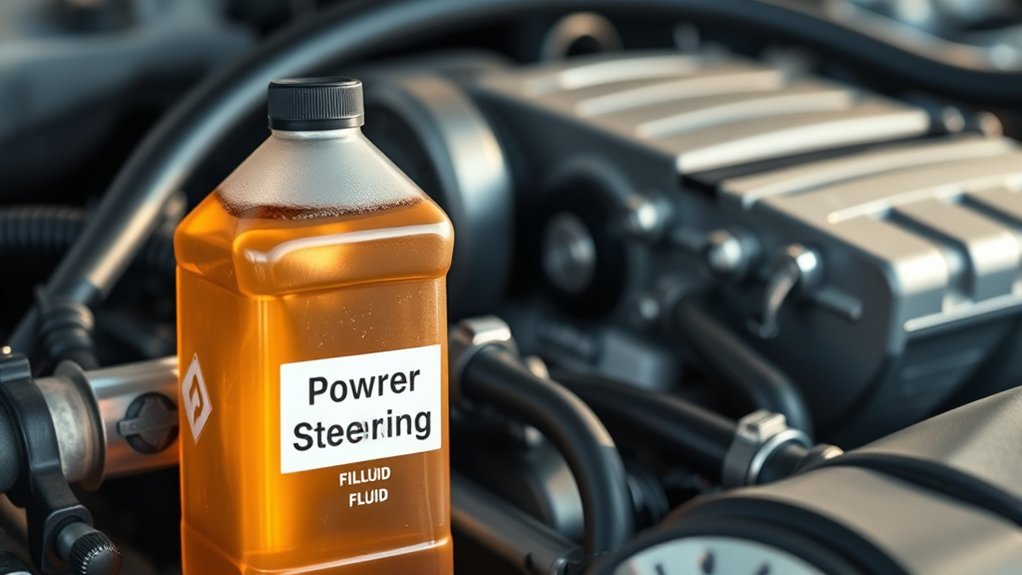
How does power steering fluid enable your vehicle’s steering system to operate smoothly? It acts as a hydraulic medium, transmitting pressure from the power steering pump to the steering gear. When you turn the steering wheel, the pump pressurizes the fluid, which then assists in moving the steering mechanism with minimal effort.
This fluid must maintain proper viscosity and lubrication properties to prevent wear and overheating within the system. Discussing unrelated ideas or irrelevant topics like engine oil or coolant types would confuse the explanation.
Instead, focus on the fluid’s role in creating hydraulic pressure, reducing friction, and ensuring precise steering response. Understanding this function highlights why power steering fluid is a specialized component, distinct from other automotive fluids, essential for maintaining the vehicle’s steering performance.
Why Your Car Needs Power Steering Fluid
You rely on power steering fluid to enhance your steering performance by reducing friction and providing hydraulic pressure. It prevents premature wear of critical components like the pump and steering rack.
Without proper fluid levels, your system won’t operate smoothly, leading to increased effort and potential damage.
Enhances Steering Performance
A properly maintained power steering fluid plays an essential role in enhancing your vehicle’s steering performance by providing the necessary hydraulic pressure to assist in turning the wheels. This fluid transfers force from the steering wheel to the steering mechanism, reducing the effort required to maneuver your car precisely.
Without optimal fluid levels and quality, steering responsiveness diminishes, causing increased effort and delayed reaction times. It’s important to note that discussing irrelevant topics, such as unrelated concepts like engine oil viscosity or brake fluid function, detracts from understanding power steering’s specific role.
Prevents System Wear
Because power steering fluid continuously circulates under high pressure, it acts as a critical lubricant that minimizes friction between moving components within the steering system. Without adequate lubrication, metal parts like the pump gears, valves, and pistons would wear prematurely, leading to costly repairs.
You might encounter unrelated topics or irrelevant discussions about power steering fluid that focus on external parts or vehicle aesthetics, but these don’t address its core function, preventing system wear. The fluid’s specific additives reduce corrosion and inhibit oxidation, preserving component integrity over time.
Ensures Smooth Operation
How exactly does power steering fluid contribute to the smooth operation of your vehicle’s steering system? It acts as a hydraulic medium, transmitting pressure generated by the power steering pump to assist in turning the wheels with minimal effort.
This fluid’s viscosity and lubricating properties reduce friction and prevent metal-to-metal contact within the steering components. Without adequate fluid, you’d experience stiff, jerky steering, compromising control and safety.
It’s essential to stay focused on this function and not veer into irrelevant topic or off topic discussion about unrelated car parts or fluids. Maintaining the correct fluid level and quality ensures consistent pressure delivery and smooth responsiveness, enabling you to steer effortlessly and precisely under varying driving conditions.
Types of Power Steering Fluid You Should Know
Which type of power steering fluid suits your vehicle’s system best? Choosing the correct fluid ensures efficient steering performance, much like how remote work demands precise setup for productivity or plant care requires specific nutrients for healthy growth. Power steering fluids vary by composition and compatibility with your system.
Here are five common types:
- Mineral-based fluid: Standard for many older systems, offering basic lubrication.
- Synthetic fluid: Enhanced temperature stability and oxidation resistance.
- Automatic transmission fluid (ATF): Used in some power steering systems due to its hydraulic properties.
- Silicone-based fluid: Provides excellent thermal stability, less common.
- Water-based fluid: Rare, environmentally friendly but limited to specific designs.
Understanding these types helps you maintain your steering system’s integrity effectively.
Choosing the Right Power Steering Fluid for Your Car
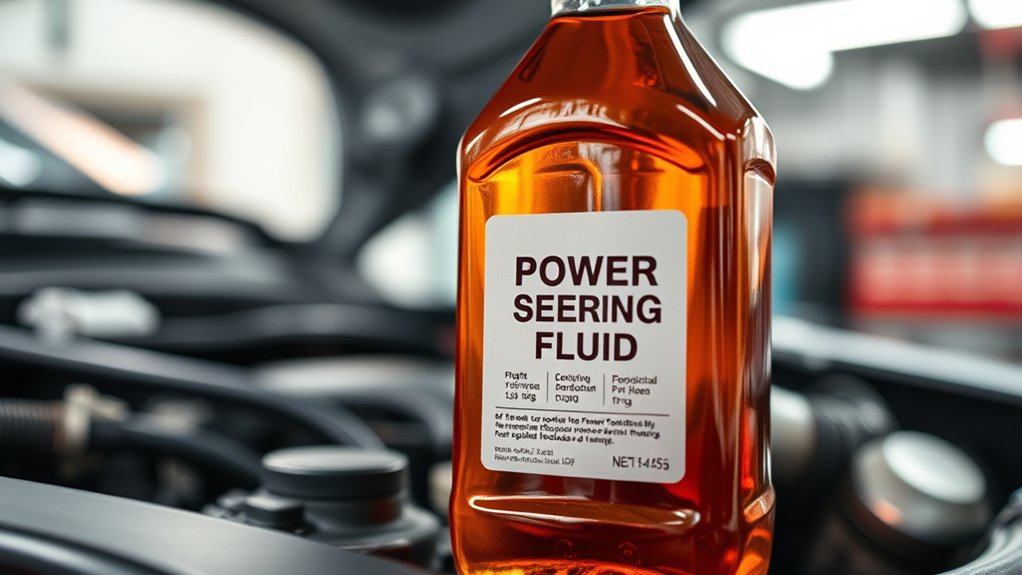
You’ll need to identify the specific fluid type your car requires, whether synthetic, mineral-based, or a specialized formula. Always follow the manufacturer’s recommendations to ensure optimal performance and avoid damage.
Before adding fluid, verify compatibility by cross-referencing the product specifications with your vehicle’s manual.
Fluid Types Explained
Why does selecting the correct power steering fluid matter for your vehicle’s performance and longevity? Using the wrong fluid can cause premature wear, leaks, and system failure.
Unlike unrelated topics like vehicle aesthetics, fluid choice directly impacts hydraulic efficiency and component durability.
Power steering fluids vary mainly by base composition and additive packages:
- Mineral oil-based fluids: Common in older systems; offer basic lubrication.
- Synthetic fluids: Provide enhanced thermal stability and oxidation resistance.
- Automatic Transmission Fluid (ATF): Often used in power steering systems; compatible with specific seals.
- Water-based fluids: Rare; mostly experimental due to corrosion risks.
- Universal or multi-vehicle fluids: Designed to meet several specifications but verify compatibility.
Choosing the right type ensures ideal pressure transmission, reduces noise, and prevents seal degradation.
Manufacturer Recommendations
How do manufacturers determine the specific power steering fluid your vehicle requires? They analyze the hydraulic system’s design, seal materials, and operating conditions. This ensures optimal performance and prevents damage.
Ignoring these guidelines or choosing fluid based on an irrelevant topic or unrelated subject can cause system failure.
| Manufacturer | Fluid Type | Specification Standard |
|---|---|---|
| Ford | MERCON LV | WSS-M2C204-A2 |
| Toyota | ATF Type T-IV | Toyota PSF Spec |
| Honda | Honda PSF | Honda PSF Spec |
| GM | Dexron VI | GM 9986195 |
Always follow your vehicle’s manual to select fluid meeting these manufacturer-specific standards. This isn’t an irrelevant topic but a critical maintenance step.
Checking Fluid Compatibility
When selecting power steering fluid, what criteria guarantee compatibility with your vehicle’s system? You must verify fluid specifications precisely by examining the bottle labeling. This ensures chemical formulations match your car’s requirements, preventing damage. Additionally, consider these key factors:
- Check OEM (Original Equipment Manufacturer) approvals indicated on bottle labeling.
- Confirm fluid type (synthetic or mineral-based) is compatible with your power steering pump.
- Verify viscosity ratings to maintain hydraulic efficiency.
- Review corrosion inhibitors to protect system components.
- Understand spill cleanup procedures outlined on the label to avoid contamination and environmental hazards.
Following these steps helps you avoid mixing incompatible fluids, which can cause seal deterioration or pump failure. Always prioritize compatibility to maintain optimal steering performance and prolong your vehicle’s hydraulic system lifespan.
How to Check Your Power Steering Fluid Level
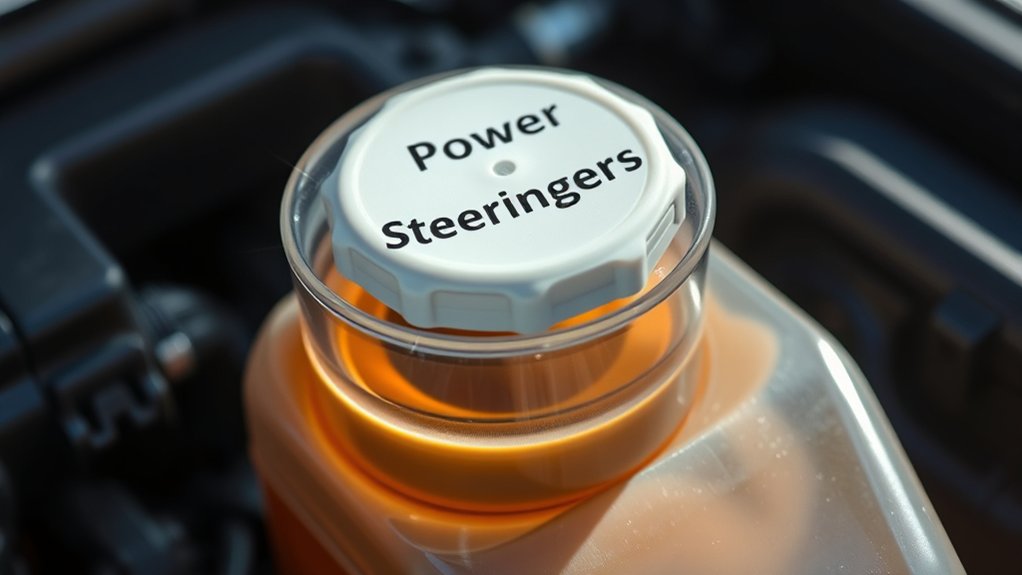
Where should you start when checking your power steering fluid level? First, locate the reservoir under the hood, often marked with a steering wheel icon. Ensure the engine is cool and the vehicle is on a level surface, similar to how urban planning demands precise measurement and positioning.
Remove the cap and wipe the dipstick clean, much like maintaining a home gardening tool for accuracy. Reinsert the dipstick fully, then remove it again to check fluid level against the marked indicators—usually “Full” and “Add.” The fluid should be clear, free of debris, and at the recommended level to maintain hydraulic pressure.
Regular checks prevent steering issues and mirror the careful monitoring needed in urban planning and home gardening to ensure optimal system performance and longevity.
Signs You Need to Replace Power Steering Fluid
Why should you pay close attention to the condition of your power steering fluid? Maintaining optimal fluid quality is crucial for preserving driving ergonomics and avoiding electric steering challenges, especially in modern vehicles. Worn or contaminated fluid impairs hydraulic function, increasing steering effort and reducing responsiveness.
Look out for these signs indicating it’s time to replace your power steering fluid:
- Increased steering wheel resistance or stiffness during turns
- Unusual whining or groaning noises from the steering system
- Dark, murky, or burnt-smelling fluid in the reservoir
- Erratic or delayed steering response under different driving conditions
- Visible leaks around power steering components
Addressing these symptoms promptly ensures precise steering control and prolongs the life of your power steering system.
What Happens When Power Steering Fluid Is Low or Dirty
Ignoring signs of degraded or insufficient power steering fluid can lead to significant performance issues within your steering system. When fluid is low or dirty, the hydraulic pressure needed for smooth steering diminishes, causing increased steering effort and potential noise from the power steering pump.
Contaminants in dirty fluid accelerate wear on seals and internal components, risking leaks and system failure. This degradation can also affect the sensor calibration in modern vehicles, impairing electronic steering assist functions.
Maintaining clean, adequate fluid is essential, not unlike a well-executed marketing strategy, where consistent, precise input ensures optimal output. Neglecting fluid quality undermines the entire steering assembly’s reliability and responsiveness, increasing repair costs and safety risks.
You must monitor fluid condition closely to prevent these technical complications and preserve steering performance.
How to Change Power Steering Fluid Safely at Home
Before you start, gather essential tools like a catch pan, turkey baster, and the correct power steering fluid. Begin by carefully draining the old fluid through the reservoir or by disconnecting the return line, ensuring no spills occur.
When refilling, use the manufacturer’s specified fluid and follow precise bleeding procedures to remove air from the system and maintain optimal steering performance.
Necessary Tools Checklist
Gathering the right toolkit is essential for a smooth and safe power steering fluid change at home. You’ll need to ensure all tools are compatible with your vehicle’s power steering system and the specific fluid type to avoid contamination or damage.
Fluid compatibility is critical, so have the correct replacement fluid ready before starting. Here’s your necessary tools checklist:
- Drain pan to catch old fluid and prevent spills.
- Turkey baster or fluid pump for removing fluid from the reservoir.
- Wrenches or socket set to loosen fittings and drain plugs.
- Clean rags or shop towels for wiping spills and cleaning components.
- Replacement power steering fluid matching manufacturer specifications for fluid compatibility.
Having these tools on hand ensures efficiency and safety during your power steering fluid maintenance.
Step-by-Step Fluid Drain
With your tools and compatible fluid ready, you can begin the fluid drain process methodically. First, locate the power steering reservoir and remove its cap to relieve pressure.
Place a drain pan beneath the system’s lowest hose connection. Carefully disconnect the return line or the hose at the steering rack to let the old fluid flow out.
Use a turkey baster or a siphon pump to extract residual fluid from the reservoir to maximize removal. Avoid engaging in unrelated topics or random discussions that can distract you from this procedure, as precision is critical.
Monitor fluid flow until it runs clear, indicating the majority of old fluid has been drained. Reconnect all hoses securely to prevent leaks.
Proper disposal of drained fluid is essential to avoid environmental hazards.
Refilling And Bleeding Tips
How do you guarantee the power steering system is free of air pockets after refilling? Proper bleeding is essential to avoid steering issues. After you add the correct fluid, follow these precise steps:
Start the engine and turn the steering wheel fully left and right several times. Keep the engine running to allow the fluid to circulate and dislodge trapped air.
Check the fluid reservoir level frequently, topping off as necessary. Inspect for leaks or unusual noises, which may indicate incomplete bleeding or unrelated topic concerns.
Finally, test drive at low speed to ensure smooth steering response.
Avoid mixing unrelated topic ideas like miscellaneous idea techniques that don’t apply here. Precise bleeding ensures safe, effective power steering fluid replacement at home.
Common Power Steering Fluid Problems and Fixes
Why does your power steering feel stiff or produce whining noises? These symptoms usually indicate fluid-related issues. Low fluid levels caused by leaks reduce hydraulic pressure, making steering harder.
Contaminated or degraded fluid loses lubricating properties, causing noise and increased wear. Air trapped in the system from improper bleeding also leads to whining and inconsistent steering response.
Avoid irrelevant topics like unrelated considerations about engine oil or brake fluid, which don’t impact power steering performance directly.
To fix these problems, first check fluid levels and top off with the manufacturer-specified fluid. Inspect hoses and seals for leaks, and replace damaged parts promptly.
If contamination or air is present, perform a fluid flush and bleed the system thoroughly. Addressing these technical issues restores smooth, quiet steering operation.
How Regular Power Steering Fluid Maintenance Saves You Money
When was the last time you checked your power steering fluid? Neglecting this essential maintenance step can lead to costly repairs. Staying on top of your fluid levels and quality prevents system strain and potential failures, ensuring your steering mechanism operates smoothly. Avoiding irrelevant topics or unrelated discussions about vehicle maintenance helps you focus on what truly matters.
Regular power steering fluid maintenance saves you money by:
- Preventing pump wear due to inadequate lubrication
- Avoiding leaks caused by deteriorated seals
- Reducing risk of steering rack damage from contaminated fluid
- Enhancing fuel efficiency by minimizing system drag
- Extending the lifespan of steering components
Prioritize fluid checks to maintain system integrity and avoid expensive replacements.
Frequently Asked Questions
Can I Use Transmission Fluid Instead of Power Steering Fluid?
You shouldn’t use transmission fluid instead of power steering fluid due to viscosity differences and compatibility concerns. Using the wrong fluid can damage seals and impair system performance.
Always use the manufacturer-recommended power steering fluid.
How Often Should Power Steering Fluid Be Flushed Professionally?
Like clockwork, you should schedule professional power steering fluid flushes every 50,000 miles or every 2-3 years. This maintenance frequency ensures optimal system performance and prevents costly damage, making it a critical two-word discussion: system longevity.
Does Power Steering Fluid Affect Fuel Efficiency?
Power steering fluid’s composition minimally impacts fuel efficiency since it mainly lubricates the system. However, if fluid is degraded, increased steering effort may slightly raise engine load, indirectly reducing your vehicle’s fuel economy.
Can Low Power Steering Fluid Damage the Power Steering Pump?
Yes, low power steering fluid causes fluid degradation, leads to pump damage, and triggers warnings.
You’ll hear noises, feel stiffness, and notice leaks, so you must check levels regularly to protect your steering system’s longevity and performance.
Is Power Steering Fluid Toxic or Harmful to the Environment?
Yes, power steering fluid contains toxic compounds that can harm wildlife and contaminate soil and water.
You should handle and dispose of it properly to minimize environmental impact and prevent pollution or damage to ecosystems.
Conclusion
Now that you understand power steering fluid’s crucial role in maintaining hydraulic pressure, reducing wear, and ensuring smooth steering, can you afford to neglect it? Regularly checking and choosing the right fluid prevents costly repairs and unsafe driving conditions.
Keeping your fluid clean and at the proper level protects your steering system’s components and extends their lifespan. Stay proactive—your car’s performance and your safety depend on it.
Remember, proper maintenance of power steering fluid is essential for reliable and safe vehicle operation.