You should check your power steering fluid regularly to avoid unexpected steering issues. Many manufacturers suggest inspecting it every 30,000 miles, often alongside oil changes, which occur roughly every 3,000 to 5,000 miles.
Seasonal checks and pre-trip inspections are also vital to catch leaks or contamination early. Understanding when and how to perform these checks can prevent costly repairs and maintain smooth, quiet steering.
Knowing the specifics of power steering fluid maintenance is essential for keeping your vehicle safe and reliable on the road.
Key Takeaways
- Check power steering fluid every 30,000 miles or as recommended by the vehicle’s manual.
- Inspect fluid levels every 3,000 to 5,000 miles during routine oil changes.
- Perform fluid checks at least twice a year during seasonal vehicle maintenance.
- Always check fluid before long trips to avoid steering problems on the road.
- Regularly monitoring fluid helps detect leaks, contamination, or aging fluid early.
How to Recognize Power Steering Fluid Problems
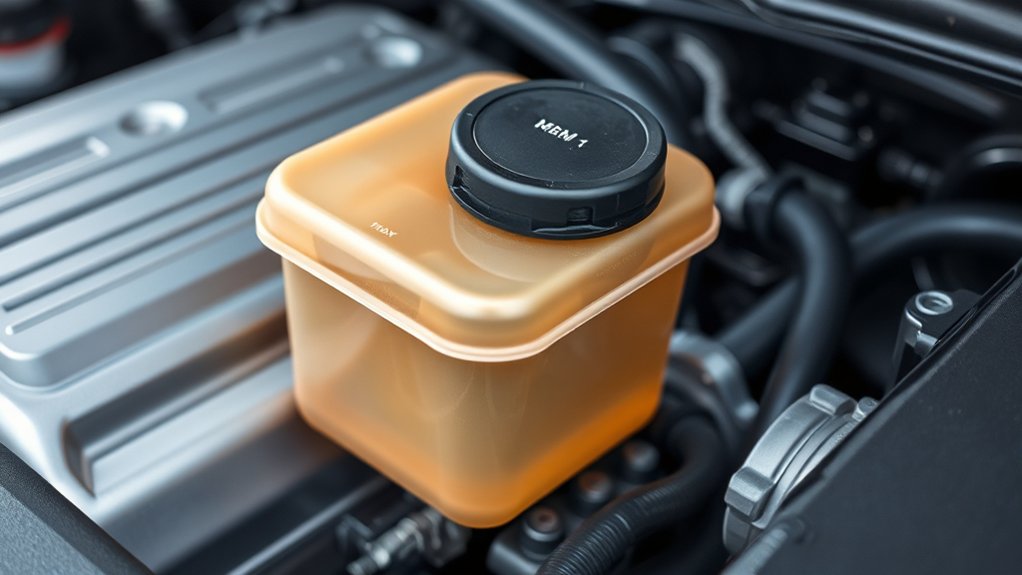
How can you tell if your power steering fluid is causing problems? You’ll notice difficulty in steering, especially at low speeds, where the wheel feels stiff or jerky.
Listen for whining or groaning noises originating from the steering system, which often signal low or contaminated power steering fluid. Leaks under the vehicle or around the steering components indicate fluid loss, impacting system performance.
Pay attention to unusual steering wheel vibrations or delayed response, both common symptoms linked to fluid issues. Regular car maintenance includes monitoring vehicle fluids like power steering fluid to prevent these problems.
Ignoring signs can lead to increased wear on the power steering pump and racks, causing costly repairs. Recognizing these symptoms early ensures timely intervention and maintains safe steering functionality.
How to Check Your Power Steering Fluid
To check your power steering fluid, first locate the dipstick attached to the reservoir cap under the hood. Remove the dipstick, wipe it clean, then reinsert it fully before pulling it out again to inspect the fluid level.
Ensure the fluid sits between the minimum and maximum marks for safe operation.
Locating The Dipstick
Where exactly can you find the dipstick for your power steering fluid? Locating the dipstick starts with identifying the reservoir location under the hood. Typically, the reservoir is a small, translucent container near the engine, often labeled or color-coded.
To locate it efficiently:
- Open the hood and scan for a cylindrical cap marked “Power Steering” or with a steering wheel icon.
- Look for a reservoir mounted on or near the power steering pump or firewall.
- Check your vehicle’s owner manual for precise diagrams to confirm the reservoir location.
The dipstick is usually attached to the reservoir cap, designed for easy access during fluid checks. By accurately locating the dipstick and reservoir, you ensure a proper and safe fluid inspection process.
Fluid Level Inspection
When should you inspect your power steering fluid level to maintain peak system performance? Regular checks are essential, especially if you notice changes in driving ergonomics or hear unusual noises during steering.
Start by ensuring the engine is off and cool. Remove the dipstick from the reservoir, wipe it clean, then reinsert it fully before pulling it out again to read the fluid level. The fluid should be between the minimum and maximum marks.
Low fluid can cause stiffness in steering and contribute to noise, making noise diagnosis a critical step in identifying power steering issues. Maintaining the correct fluid level ensures smooth, responsive steering, optimizing driving ergonomics and preventing premature wear on system components.
Regular inspection helps you catch leaks or contamination early.
How Often Should You Check Power Steering Fluid?
You should check your power steering fluid at regular intervals, typically every 30,000 miles or as specified in your vehicle’s manual. Factors like driving conditions, vehicle age, and fluid type can require more frequent inspections.
Staying aware of these variables helps maintain optimal steering performance and prevents damage.
Recommended Check Intervals
How often should you inspect your power steering fluid to maintain optimal vehicle performance? Regular checks are crucial for effective car maintenance and ensuring vehicle safety. Follow these recommended intervals:
- Every 3,000 to 5,000 miles: This aligns with routine oil changes, allowing you to monitor fluid levels consistently.
- At least twice a year: Conduct thorough inspections during seasonal maintenance to catch potential issues early.
- Before long trips: A quick check can prevent steering failures and enhance safety during extended drives.
Sticking to these intervals helps you detect leaks or contamination, maintaining fluid integrity and steering responsiveness. Neglecting checks can lead to increased wear on steering components, compromising safety and performance. Consistent monitoring is a simple yet critical step in your vehicle’s maintenance schedule.
Factors Affecting Frequency
Why does the frequency of checking your power steering fluid vary? Several factors influence how often you should inspect it, ensuring your steering system remains efficient and safe. Vehicle age, driving conditions, and fluid type all play critical roles.
For example, older cars or those operating in harsh environments require more frequent checks. Additionally, using synthetic versus conventional fluids may affect degradation rates.
Why Your Power Steering Fluid May Be Low or Dirty
What causes power steering fluid to drop or degrade? Understanding this prevents unrelated topic or irrelevant discussion about your vehicle’s maintenance. Your power steering fluid may be low or dirty due to:
- Leaks: Worn seals or hoses can let fluid escape, lowering levels and risking pump damage.
- Contamination: Dirt, metal particles, or water entering the system degrade fluid quality, impairing lubrication and causing wear.
- Aging Fluid: Over time, fluid oxidizes and breaks down, losing its hydraulic properties and becoming less effective.
Monitoring these factors helps you maintain optimal steering performance and avoid costly repairs. Don’t confuse unrelated topic such as tire pressure or engine oil with power steering fluid health; they require separate attention. Staying precise in your assessments ensures your steering system functions reliably.
How to Fix Low or Dirty Power Steering Fluid
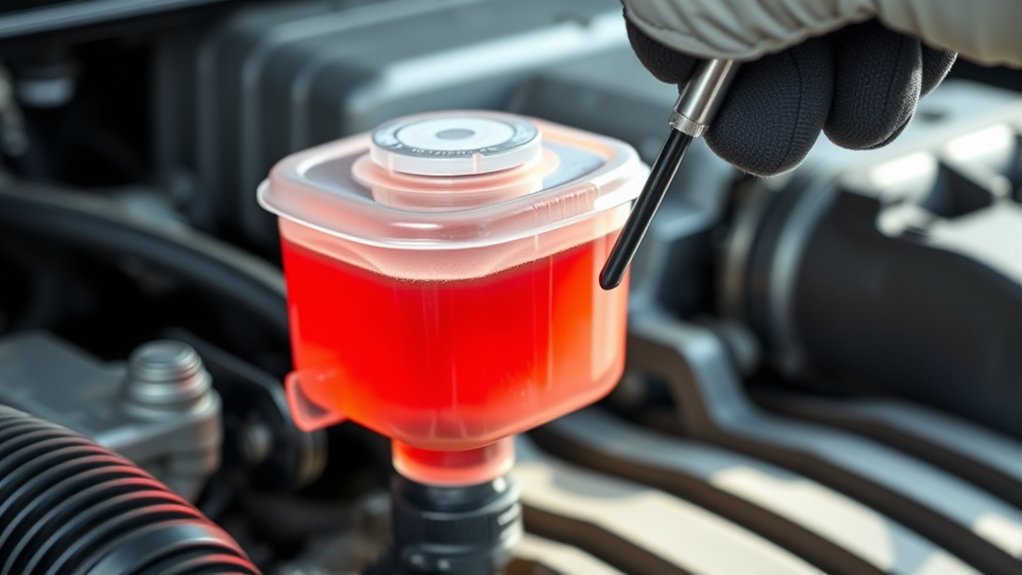
When should you address low or dirty power steering fluid to maintain system integrity? You should act immediately once you detect fluid issues to prevent damage. Begin by checking hoses for leaks, cracks, or loose connections, as these often cause low fluid levels and contribute to noise causes like whining or groaning during steering.
If the fluid is dirty, drain the reservoir entirely and flush the system using manufacturer-recommended fluid to remove contaminants. Refill with fresh power steering fluid to the proper level indicated on the dipstick or reservoir markings.
Afterward, inspect the pump and belts for wear, since noise causes can also stem from mechanical problems beyond fluid condition. Finally, test drive to confirm the steering functions smoothly without unusual noises, ensuring the system operates optimal.
Tips for Keeping Your Power Steering Fluid Healthy
Maintaining the quality of your power steering fluid directly impacts the longevity and performance of your steering system. To ensure, or perhaps better stated to guarantee, optimal fluid health and enhance vehicle safety, follow these essential car maintenance tips:
- Regularly Inspect Fluid Levels: Check the power steering fluid monthly and top up only with the recommended type to prevent contamination and system damage.
- Schedule Periodic Fluid Flushes: Replace the fluid every 30,000 to 60,000 miles or as specified in your vehicle manual, removing contaminants that degrade steering responsiveness.
- Monitor for Leaks: Inspect hoses and seals for leaks or cracks, as fluid loss can lead to steering failure and compromise vehicle safety.
Following these steps will maintain fluid integrity, reduce wear, and help you avoid costly repairs while keeping your steering system responsive and safe.
Frequently Asked Questions
What Type of Power Steering Fluid Is Best for My Vehicle?
You’ll want to consult your owner’s manual for the recommended power steering fluid type. Choosing the right fluid guarantees optimal system performance and prevents damage.
Regular maintenance and fluid testing support your vehicle’s longevity and reliability.
Can I Use Automatic Transmission Fluid Instead of Power Steering Fluid?
You shouldn’t use automatic transmission fluid instead of power steering fluid; their chemical properties differ. Watch for fluid color differentiation and color change indicators. Power steering fluid is usually clear or amber, while ATF is red or pink.
What Are the Symptoms of a Power Steering Pump Failure?
You’ll notice whining noises, stiff steering, or fluid leaks if your power steering pump fails.
Prioritize maintenance by double checking leaks regularly to prevent damage and guarantee smooth, reliable steering performance.
Is Power Steering Fluid Toxic or Harmful to Skin?
Power steering fluid isn’t exactly a gentle rain on your skin; it can cause irritation due to its chemical makeup powering hydraulics. You should avoid direct contact and ensure fluid compatibility to protect your skin and health.
How Do Power Steering Fluids Differ Between Cars and Trucks?
You’ll notice power steering fluids differ by vehicle type due to viscosity ratings and additive packages. This two word discussion idea highlights performance needs, while a second two word discussion idea addresses temperature tolerance variations for cars versus trucks.
Conclusion
You might think ignoring your power steering fluid won’t cause trouble—until your steering locks up on a busy road. Checking it regularly isn’t just a chore; it’s a smart move that keeps your steering smooth, your pump quiet, and your wallet intact.
Don’t wait for a costly failure to remind you—inspect your fluid as often as your oil. Ironically, a little attention now saves you from a major headache later.
To avoid unexpected issues, make it a habit to check power steering fluid regularly.