If you’re wondering how do I know if I need power steering fluid, one clear sign is if your steering wheel feels like it’s fighting against you. This resistance often indicates that something’s off beneath the hood.
You might be dealing with low or contaminated power steering fluid, which can significantly affect your vehicle’s responsiveness and safety. Understanding how to recognize these symptoms and accurately check your fluid levels can save you from costly repairs.
Let’s explore the essential steps to determine if your power steering fluid needs attention.
Key Takeaways
- Check the power steering fluid reservoir level with the engine cold, topping up if below the minimum line.
- Notice difficulty steering, stiff wheel, or unusual noises when turning as signs of low fluid.
- Look for visible fluid leaks under the vehicle or a burning smell while driving.
- Inspect fluid color and clarity; dark, cloudy, or gritty fluid needs replacement.
- Persistent whining noises or fluid issues despite topping up indicate professional diagnosis is needed.
How To Tell If Your Power Steering Fluid Needs Topping Up
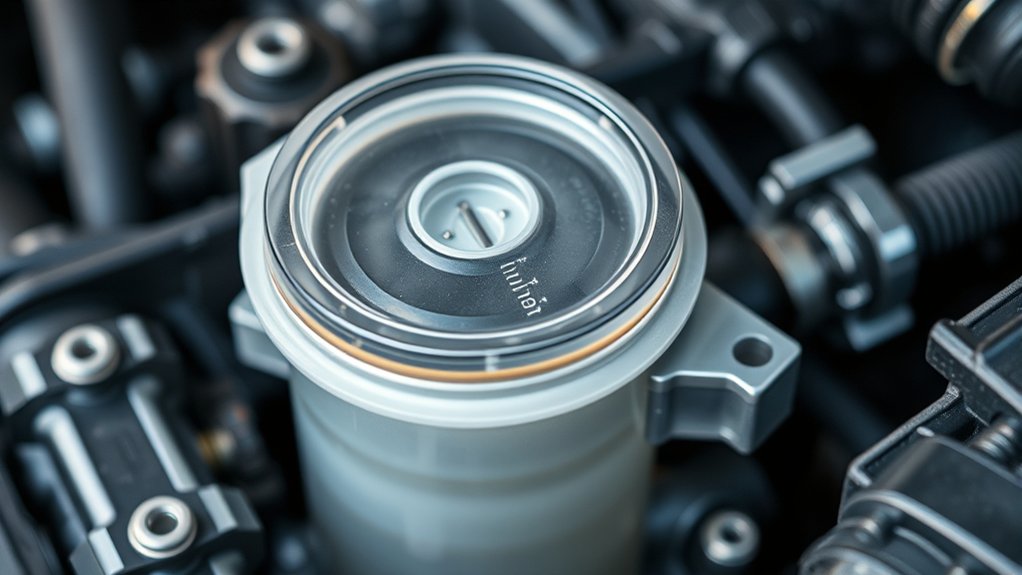
How can you quickly determine if your power steering fluid needs topping up? First, check the reservoir’s fluid level against the marked indicators when the engine is cold. If it’s below the minimum line, topping up is necessary.
Pay attention to signs of leaks, such as fluid puddles under the vehicle or a burning smell while driving, which often indicate system issues causing fluid loss. Additionally, difficulty steering or unusual noises when turning can signal low fluid levels.
To ensure system efficiency after topping up, you may need to perform ways to bleed air from the power steering system, such as turning the steering wheel fully left to right with the engine running. This removes trapped air, restoring proper fluid circulation and steering response.
Why Power Steering Fluid Gets Low Or Dirty
Why does your power steering fluid level drop or become contaminated? Low bleed issues in the system allow air to enter, reducing fluid volume and causing noise. Leaks from worn seals or hoses also lower fluid levels.
Contamination occurs when dirt or metal particles enter through these leaks or degrade from heat, impacting performance.
| Cause | Effect | Indicator |
|---|---|---|
| Low bleed issues | Fluid level drops | Persistent noise |
| Seal/hose leaks | Fluid leaks out | Visible fluid spots |
| Contamination | Fluid darkens, thickens | Rough steering |
| Overheating | Fluid breakdown | Burning smell |
| Lack of maintenance | Accelerated wear | Frequent noise |
Addressing these promptly prevents steering failure and maintains system integrity.
How To Check Your Power Steering Fluid Level At Home
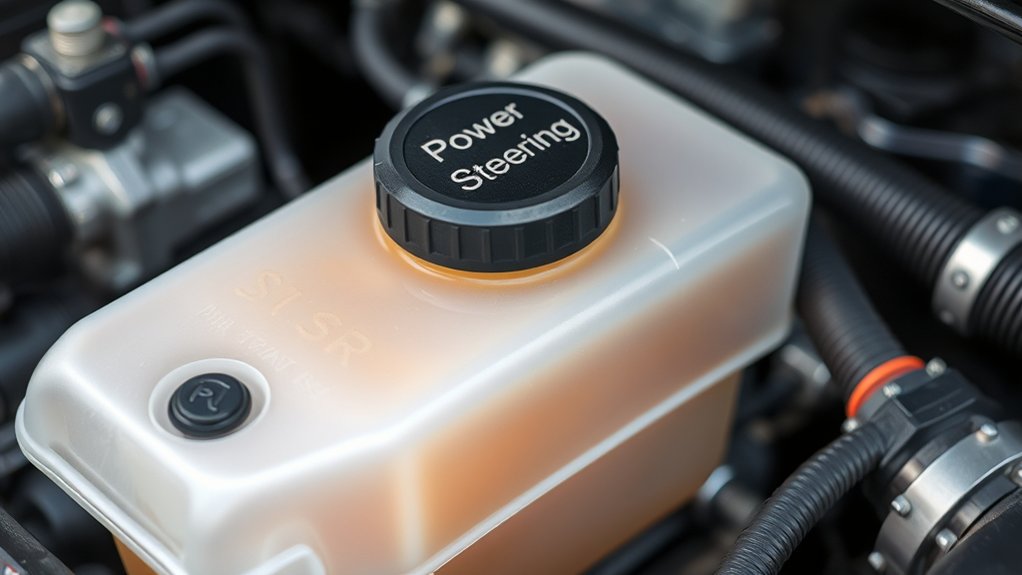
First, locate the power steering fluid reservoir under your hood, usually marked and near the engine. Next, check the fluid level using the dipstick or reservoir markings, ensuring it falls within the recommended range.
Finally, inspect the fluid’s color and consistency. Clean fluid is typically clear or amber, while dark or gritty fluid indicates contamination.
Locate Power Steering Reservoir
Where exactly is the power steering reservoir located under your vehicle’s hood? To locate the reservoir, start by opening your hood and looking near the engine bay, usually on the driver’s side.
The power steering reservoir location varies by make and model but typically appears as a small, cylindrical container with a cap labeled “Power Steering” or a steering wheel icon.
| Vehicle Make | Common Reservoir Location | Cap Markings |
|---|---|---|
| Toyota | Near firewall, left side | Power Steering Fluid |
| Ford | Front right, near engine | Steering Wheel Icon |
| Honda | Passenger side, near battery | Power Steering Fluid |
Refer to your owner’s manual for exact placement to accurately locate the reservoir and identify the power steering reservoir location.
Check Fluid Level
After locating your power steering reservoir, the next step is to check the fluid level to ensure it’s within the recommended range. First, clean the reservoir cap to prevent contamination, then remove it carefully.
Some reservoirs have a dipstick attached to the cap; if yours does, wipe it clean, reinsert fully, and pull it out again to read the fluid level against the marked indicators. If there’s no dipstick, check the reservoir’s translucent side for “Min” and “Max” level markings.
Avoid distractions from unrelated topics or random ideas; focus solely on accuracy here. Maintaining the correct fluid level is crucial for proper steering function, preventing premature wear or damage.
If the fluid falls below the minimum mark, you’ll need to add the specified power steering fluid type to restore optimal performance.
Inspect Fluid Condition
A thorough inspection of your power steering fluid’s condition reveals more than just its level; it indicates the health of your steering system. Start by removing the dipstick or checking the reservoir cap to observe the fluid color and consistency.
Healthy power steering fluid is typically clear or amber. Dark, cloudy, or gritty fluid signals contamination or degradation. Contaminated fluid can cause insufficient lubrication, leading to increased friction and potential damage to the pump and steering components.
If you notice a burnt smell or visible particles, it’s time to replace the fluid. Additionally, low-quality or degraded fluid often contributes to steering noise, such as whining or groaning while turning.
Regularly inspecting and maintaining clean, adequate fluid prevents premature wear and ensures smooth steering performance.
Choosing The Right Power Steering Fluid For Your Car
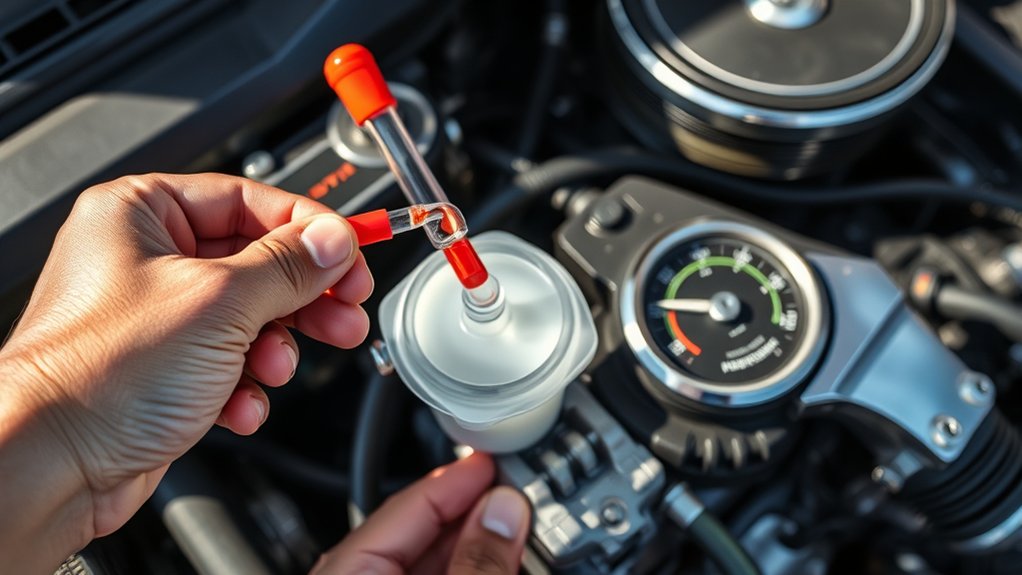
How do you determine the correct power steering fluid for your vehicle? Start by consulting your car brand’s owner manual, which specifies the recommended fluid type based on the system’s design. Using the correct fluid ensures optimal hydraulic performance and protects seals from premature wear.
Many modern vehicles require synthetic blend fluids, which combine synthetic and mineral base oils for enhanced oxidation resistance and temperature stability. Avoid substituting fluids, as incompatible types can cause foaming, leaks, or component damage.
If your manual lists multiple options, select a synthetic blend that meets the specified industry standards, such as SAE J1703 or J2731. Always verify the fluid’s compatibility with your car brand’s power steering system to maintain steering precision and extend component life.
How To Safely Add Or Replace Power Steering Fluid
To maintain optimal steering performance, you need to regularly check your power steering fluid levels using the reservoir’s dipstick or markings. When fluid levels are low or contaminated, follow a precise step-by-step process to safely drain and replace the fluid without introducing air into the system.
Proper technique ensures you avoid leaks and maintain consistent hydraulic pressure.
Checking Fluid Levels
Checking your power steering fluid levels regularly ensures ideal system performance and prevents potential damage. Begin by locating the power steering fluid reservoir, usually marked on the cap or near the engine bay.
Use the dipstick attached to the cap or check the reservoir’s translucent side to gauge fluid levels. Make sure the engine is cool and the car is on level ground for an accurate reading.
If the fluid is below the minimum mark, you’ll need to add the correct type specified in your owner’s manual. Avoid overfilling, as it can cause leaks or system malfunctions.
Incorporating these car care education basics into your routine helps maintain steering responsiveness and extends the life of your power steering system.
Step-by-Step Fluid Replacement
When should you replace or add power steering fluid to maintain best system function? You should do this when fluid levels drop below the minimum mark or if the fluid appears dark or contaminated.
First, locate the power steering reservoir and clean around its cap to prevent debris entering the system. Remove the cap, then use a turkey baster or fluid pump to extract old fluid if replacing.
Avoid irrelevant tangents like discussing unrelated car fluids or off topic ideas. Next, refill with the manufacturer-specified power steering fluid, ensuring you don’t overfill. Replace the cap securely.
Start the engine and turn the steering wheel fully left and right several times to purge air bubbles. Check fluid levels again and top off if necessary. This precise process ensures optimal steering performance and system longevity.
When To See A Mechanic For Power Steering Fluid Problems
How can you tell if your power steering fluid issues require professional attention? If you notice persistent whining noises when turning the wheel, difficulty steering, or visible fluid leaks under your vehicle, it’s time to consult a mechanic.
These signs often indicate problems beyond simple fluid top-offs, such as a failing pump or damaged hoses. While routine fluid maintenance can be handled at home, complex issues demand specialized diagnostic tools and expertise.
Additionally, if the fluid appears dark or contaminated despite recent replacement, a mechanic can assess potential internal system damage. Ignoring these symptoms risks further power steering failure and costly repairs.
Prioritize timely professional evaluation to maintain safe, reliable steering performance and prolong your vehicle’s power steering system lifespan.
Frequently Asked Questions
Can Low Power Steering Fluid Damage My Power Steering Pump?
Yes, low power steering fluid can damage your pump by causing overheating and increased friction.
Don’t get distracted by irrelevant topics or off topic ideas; focus on maintaining proper fluid levels to ensure your system’s longevity.
How Often Should Power Steering Fluid Be Changed?
You should change power steering fluid every 2-3 years or 30,000 miles, especially if fluid color darkens or noise symptoms arise. Regularly checking these prevents pump damage and guarantees smooth, precise steering performance.
Are Power Steering Fluids Compatible With All Car Models?
No, power steering fluids aren’t compatible with all car models. You must use fluids that meet factory specifications to avoid incompatible materials.
These materials can damage seals or pumps, compromising your steering system’s performance and longevity.
Can I Use Automatic Transmission Fluid Instead of Power Steering Fluid?
You shouldn’t use automatic transmission fluid instead of power steering fluid, as fluid compatibility issues can cause pump damage indicators like whining or stiffness.
Always follow your manufacturer’s specifications for fluid to avoid costly pump failure.
What Are the Symptoms of a Power Steering Fluid Leak?
Imagine you’re steering, and suddenly it feels stiff. This often signals a power steering fluid leak. Don’t confuse this with unrelated topics; ignoring such off topic discussion helps you focus on symptoms like whining noises or fluid puddles under your car.
Conclusion
Checking your power steering fluid is like keeping oil in an engine—essential for smooth operation. If your steering feels stiff or noisy, inspect the reservoir for low or dirty fluid. Always use the correct fluid type, clean the cap, and top up carefully.
After adding, turn the wheel fully to remove air bubbles. Regular checks and maintenance prevent damage and ensure your steering system works efficiently.
If problems persist, don’t hesitate to see a mechanic for professional help. Knowing how to check if you need power steering fluid can save you from costly repairs and keep your vehicle running smoothly.