You’d think checking power steering fluid requires a mechanic’s expertise, but it’s actually straightforward if you know what to do. Start by locating the reservoir and ensuring your engine is cool and level.
Knowing how to accurately gauge the fluid level and condition can prevent costly damage, yet many overlook these simple steps. Understanding the proper process will help you maintain your steering system’s performance and safety.
Key Takeaways
- Ensure the engine is off and cool before opening the power steering fluid reservoir cap to prevent contamination and injury.
- Locate the translucent power steering fluid reservoir near the engine, identified by a steering wheel icon or “Power Steering” label.
- Remove the cap and check the fluid level against the “MIN” and “MAX” markings on the dipstick or reservoir.
- Fluid should be clear and reddish; dark or murky fluid indicates contamination requiring service or a flush.
- Add the manufacturer-recommended power steering fluid gradually if the level is below minimum, avoiding overfilling or mixing fluid types.
What Is Power Steering Fluid?
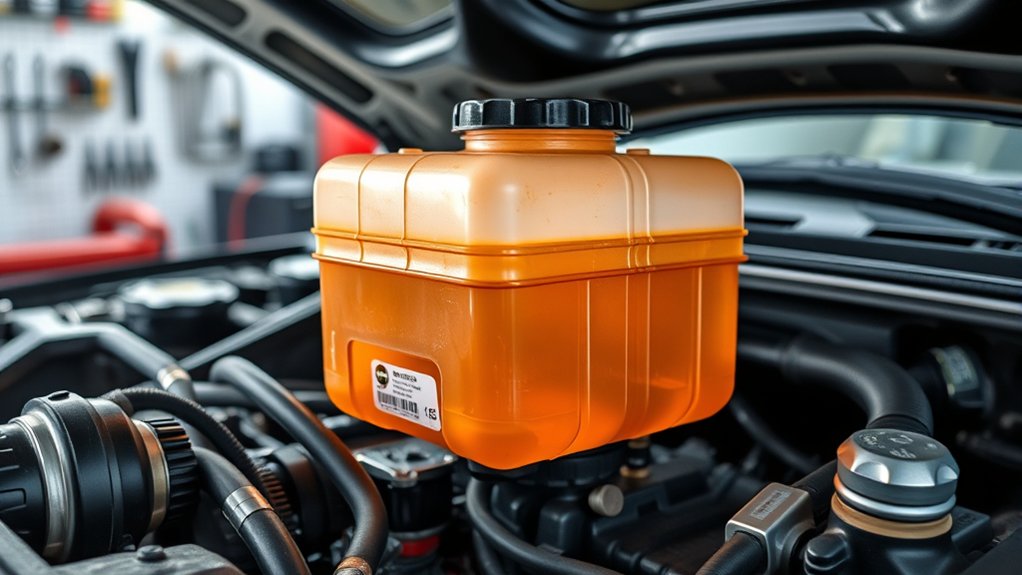
What exactly is power steering fluid? It’s a specialized hydraulic fluid that enables your vehicle’s power steering system to function smoothly. Understanding what is power steering fluid helps you grasp its role: it transmits hydraulic pressure from the power steering pump to the steering gear, reducing the effort needed to turn the wheel.
Fluid basics dictate that this liquid must maintain proper viscosity and lubrication under varying temperatures and pressures. Without adequate fluid, steering becomes stiff and unresponsive, risking damage to components. Power steering fluid also prevents corrosion and removes contaminants within the system.
How to Locate the Power Steering Fluid Reservoir
You’ll usually find the power steering fluid reservoir near the engine, often on or near the firewall. Look for a cap labeled with a steering wheel icon or marked “Power Steering.”
If you’re unsure, consult your vehicle’s manual for the exact location and identification details.
Common Reservoir Locations
Locating the power steering fluid reservoir is essential for maintaining your vehicle’s steering system. When discussing hydraulics, knowing the reservoir’s position helps you monitor fluid levels effectively and avoid common maintenance myths.
Typically, you’ll find the reservoir in one of these locations:
- Near the engine firewall on the driver’s side, easily accessible and marked.
- Adjacent to the power steering pump, often mounted on or near it.
- Under the hood’s front, close to the radiator or coolant reservoir.
- In some models, integrated into the power steering pump assembly itself.
Check your owner’s manual for exact placement. Understanding these common reservoir locations ensures you can quickly inspect and maintain proper fluid levels, preventing steering issues and prolonging system life.
Identifying Reservoir Cap
How can you quickly identify the power steering fluid reservoir cap? Start by locating the reservoir, usually a small translucent container near the engine. The cap often features clear markings such as “Power Steering” or a steering wheel icon, aiding in identifying reservoir components.
It’s typically made of plastic and colored black or yellow for visibility. When identifying reservoir caps, look for ridges or tabs designed for easy grip. Before removing the cap, ensure the engine is off and cooled down to prevent injury from pressurized fluid.
Checking cap safety is crucial; a damaged or loose cap can lead to contamination or leaks, compromising system performance. Always handle the cap gently, confirming it’s the correct one for the power steering fluid reservoir before proceeding.
Using Vehicle Manual
After identifying the power steering fluid reservoir cap, the next step is to find the reservoir itself. Your vehicle manual is the best resource for this. Follow these tips to locate it efficiently:
- Check the index or table of contents for “power steering system” or “fluid reservoir” sections.
- Use diagrams or illustrations in the manual to visually identify the reservoir’s location under the hood.
- Note any specific instructions or warnings related to fluid type and maintenance intervals.
- Confirm the reservoir’s appearance and placement, as variations exist between models.
Using the manual ensures precise identification, preventing mistakes during maintenance. Always refer back to it for accurate procedures and to maintain system integrity. This approach simplifies the process and promotes effective power steering fluid checks.
Check Your Power Steering Fluid Level
Now that you’ve located the power steering fluid reservoir, it’s time to check the fluid level. Make sure the engine is cool, then inspect the reservoir markings to determine if the fluid is within the recommended range.
Maintaining the correct fluid level is essential for smooth steering performance.
Locate Power Steering Reservoir
Where can you find the power steering reservoir in your vehicle? Locating it is essential to maintain driving safety and ensure proper maintenance timing. Here’s how you can pinpoint it:
- Open the hood and secure it with the prop rod.
- Look near the engine bay’s front or side, close to the power steering pump.
- Identify a translucent plastic or metal container labeled “Power Steering Fluid” or marked with a steering wheel icon.
- Check for a cap, often colored black or red, labeled with fluid type or warnings.
Knowing the reservoir’s location allows you to perform timely inspections and fluid top-ups, preventing steering issues and ensuring your vehicle’s optimal performance. This fundamental step supports safe driving and prolongs your steering system’s lifespan.
Inspect Fluid Level
How do you accurately check your power steering fluid level? First, ensure the engine is cool and the vehicle is on a level surface. Open the power steering reservoir cap and remove the dipstick or observe the markings inside the reservoir.
The fluid should be between the “MIN” and “MAX” indicators. Avoid any irrelevant topic or off-topic discussion that can confuse this precise task. If the fluid is below the minimum mark, add the recommended power steering fluid gradually, checking frequently to prevent overfilling.
Dark or contaminated fluid signals the need for a flush or service, not just a top-up. Inspecting the fluid level regularly prevents steering issues and extends system life, so stick to this focused procedure without deviation into irrelevant topic areas.
When and How Often to Check Power Steering Fluid

When should you check your power steering fluid? It’s crucial to monitor it regularly to avoid steering issues. Unlike low tire pressure or engine oil, power steering fluid often gets overlooked but is equally important. Follow these guidelines for optimal maintenance:
- Check every 3,000 to 5,000 miles, aligning with oil changes.
- Inspect after noticing difficulty in steering or unusual noises.
- Examine before long trips or heavy towing.
- Verify if there are visible leaks or fluid puddles under the vehicle.
Consistently checking your power steering fluid ensures smooth maneuverability and prevents costly repairs. Make it a habit alongside routine checks like tire pressure and engine oil for overall vehicle health.
Check Power Steering Fluid Condition and Color
Regularly checking your power steering fluid level is only part of maintaining your system; evaluating its condition and color provides important insight into its performance. Clear, reddish fluid signals good health, while dark or murky fluid indicates contamination or degradation.
Avoid confusing this with an irrelevant topic or unrelated discussion like unrelated engine fluids. Use a clean, transparent container or the reservoir’s dipstick to assess fluid quality.
| Fluid Color | Condition | Implication |
|---|---|---|
| Clear Red | Clean | Normal operation |
| Dark Brown | Contaminated | Needs inspection |
| Milky/Cloudy | Water contamination | Possible seal leak |
| Black | Severely degraded | Immediate attention needed |
Evaluate color regularly to ensure the power steering system operates efficiently and avoid unnecessary confusion with irrelevant topics.
What to Do If Your Power Steering Fluid Is Low or Dirty
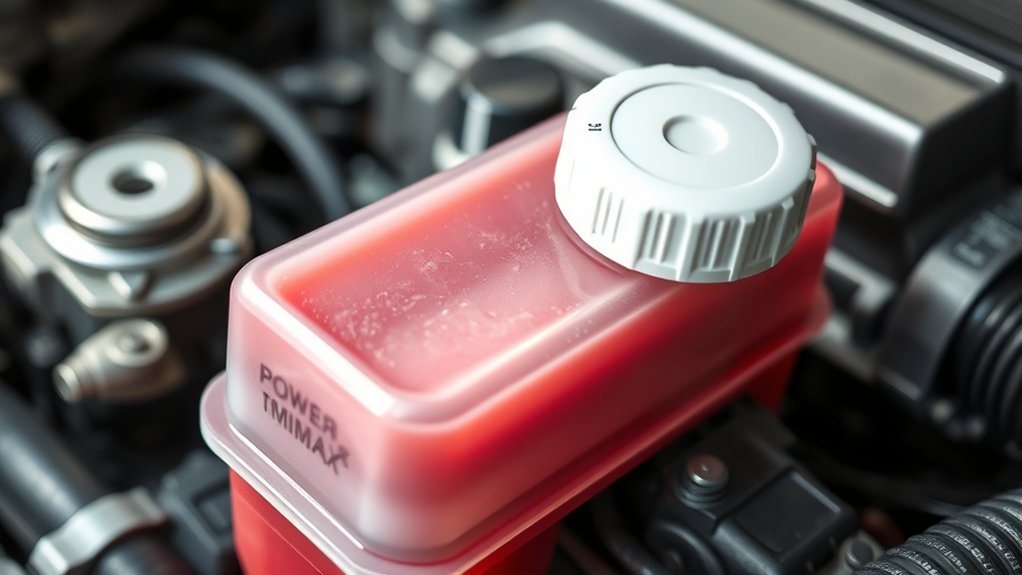
Noticing low or dirty power steering fluid calls for prompt action to prevent system damage. Avoid distractions from unrelated topic discussions or off topic ideas when addressing this issue. Follow these steps:
- Locate and clean the reservoir cap to prevent contamination.
- Top off with the manufacturer-recommended fluid if the level is low, avoiding mixing fluid types.
- If the fluid appears dark or contaminated, perform a complete fluid flush and replacement.
- Inspect the system for leaks or worn components; low fluid often indicates underlying problems.
Ignoring these steps risks pump failure and steering issues. Stay focused on the task, steering clear of unrelated topic detours to ensure your power steering system remains reliable and safe.
Frequently Asked Questions
Can I Use Automatic Transmission Fluid as Power Steering Fluid?
You shouldn’t use automatic transmission fluid as power steering fluid. Different formulations affect performance and safety.
Focus on proper fluid types to avoid damage. Consider safety considerations and explore topic ideas on recommended fluids for your system.
What Are Symptoms of Power Steering Fluid Leaks?
Squealing sounds signal slippery steering! You’ll notice leaky hoses leaving puddles, reduced steering response, and whining noises when turning. These symptoms indicate fluid loss, risking pump damage.
Address leaks promptly to maintain precise, safe power steering performance.
How Much Does Power Steering Fluid Replacement Cost?
Power steering replacement costs typically range from $100 to $300, depending on your vehicle and labor rates. You’ll pay for fluid, possibly a new pump, and service time.
Always get a precise quote before proceeding.
Can Power Steering Fluid Affect Fuel Efficiency?
You might not realize it, but yes, power steering fluid can subtly influence fuel efficiency. If the fluid’s low or degraded, your system works harder, causing your engine to consume more fuel than it ideally should.
Is Power Steering Fluid Toxic if Ingested?
Yes, power steering fluid is toxic if ingested. If you suspect ingestion, don’t wait. Call emergency services immediately.
Avoid inducing vomiting and provide medical personnel with product details for accurate treatment and emergency precautions.
Conclusion
So, you’ve made it here—congratulations! Checking your power steering fluid isn’t rocket science; it’s just a tiny step to avoid turning your steering wheel into a medieval torture device. Keep that fluid between MIN and MAX, or enjoy the thrilling squeals and leaks instead.
If it’s dark and dirty, don’t pretend it’s fine—flush and fix it before your car treats you like a bumper car. Your steering—and sanity—will thank you.
Remember, regularly checking your power steering fluid is key to keeping your steering smooth and your vehicle safe.