You might not realize that power steering fluid varies in color depending on its base chemistry and condition, ranging from clear to amber or light red when fresh.
These subtle differences can signal how well your system is performing and whether the fluid has begun to degrade or become contaminated.
Understanding what each color indicates can help you spot potential issues early, but there’s more to consider before drawing conclusions.
Regularly checking the color and condition of your power steering fluid is an important part of vehicle maintenance.
Key Takeaways
- Power steering fluid is typically clear, amber, or light red, reflecting its base composition and cleanliness.
- Dark brown or black fluid indicates oxidation, chemical breakdown, and possible contamination.
- A milky or cloudy appearance suggests water contamination in the fluid.
- Fluid color alone doesn’t confirm health; age and contamination levels also matter.
- Fresh power steering fluid usually appears clear, amber, or light red in color.
What Color Is Power Steering Fluid Usually?
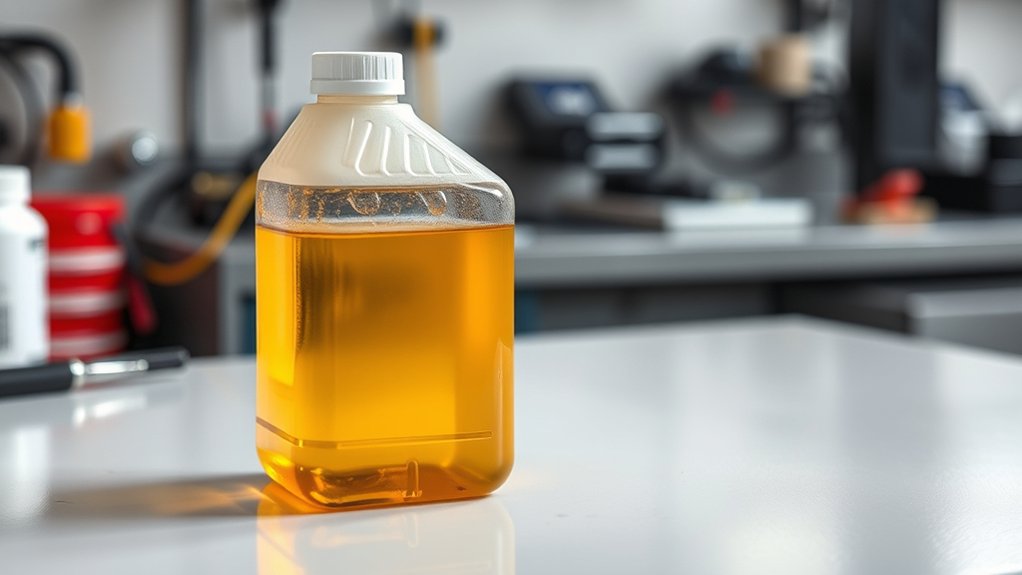
What color is power steering fluid usually? Typically, it appears clear, amber, or light red, reflecting its base composition. The color meaning is essential for you to understand because it helps identify the fluid’s condition during safety checks.
When you inspect the fluid, a clear or amber hue generally indicates it’s clean and effective. However, darker or blackened fluid suggests contamination or degradation, signaling the need for replacement.
Performing routine safety checks by monitoring the fluid color helps you prevent steering system damage and maintain peak vehicle performance. Remember, the fluid’s color is your first indicator. If it deviates from the usual clear to amber range, you should take immediate action to diagnose and address potential issues.
What Do Different Power Steering Fluid Colors Mean?
How can you interpret the various colors of power steering fluid during an inspection? Understanding color chemistry helps you differentiate normal from problematic fluid conditions.
Fresh fluid typically appears clear, amber, or light red, indicating proper additive balance and minimal contamination. Dark brown or black hues usually signal oxidation and breakdown of the fluid’s chemical structure, reducing lubrication and risking component damage.
Cloudiness or milky coloration often points to water contamination, which compromises hydraulic performance. Avoid common maintenance myths that associate specific colors with brand or quality alone; fluid color primarily reflects age, contamination, and chemical degradation.
How Can You Check Your Power Steering Fluid Color Safely?
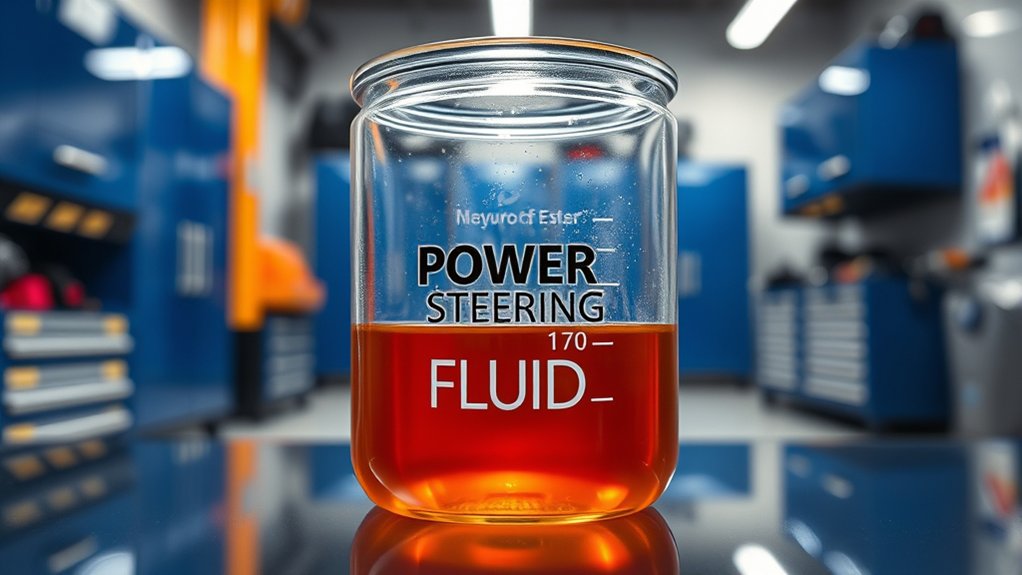
Checking your power steering fluid color safely requires careful preparation to avoid burns or contamination. First, ensure the engine is off and cooled down to prevent contact with hot components.
Locate the power steering fluid reservoir and clean its cap and surrounding area to prevent dirt from entering the system. Use gloves to promote safe handling and avoid skin contact with fluid.
Remove the cap carefully, then dip a clean, lint-free cloth or a small transparent container into the reservoir to collect a fluid sample. Perform color testing by examining the fluid under good lighting; fresh fluid typically appears clear or amber, while dark or rusty hues indicate degradation.
Always reseal the cap securely after testing to maintain system integrity and prevent leaks.
What Are Signs of Power Steering Fluid Problems?
Once you’ve identified the color and condition of your power steering fluid, you can monitor for signs that indicate potential problems. Contrary to common color coding myths, fluid color alone isn’t a definitive indicator of health. Fluid aging impacts performance more substantially.
Dark, contaminated fluid suggests oxidation and debris buildup, which can impair steering response. You may also notice whining noises or difficulty steering, signaling fluid breakdown or leaks. Additionally, a sudden drop in fluid level often points to leaks or seal failure.
Pay attention to these technical symptoms alongside fluid color changes. Regular inspection helps you catch issues early, preventing damage to the power steering pump or system components. Don’t rely solely on color; assess fluid condition and system behavior comprehensively.
When Should You Change Power Steering Fluid?
When do you need to change your power steering fluid to maintain optimal system performance? The typical change interval ranges between 50,000 and 100,000 miles, depending on your vehicle’s manufacturer recommendations.
Regularly inspect the fluid’s color and viscosity. Dark or contaminated fluid indicates it’s time for replacement. Service considerations include driving conditions; frequent stop-and-go traffic or towing may necessitate more frequent changes.
Neglecting timely fluid replacement can cause pump wear, steering difficulty, and leaks. Always consult your owner’s manual for specific intervals and use the correct fluid type to avoid system damage.
During service, flush the old fluid completely to remove contaminants, ensuring smooth, efficient steering operation. Staying proactive about your power steering fluid change interval optimizes system longevity and performance.
Frequently Asked Questions
Can I Use Automatic Transmission Fluid as Power Steering Fluid?
You shouldn’t use automatic transmission fluid as power steering fluid due to fluid compatibility issues; it can cause irreversible contamination and damage the system. Always use the manufacturer-recommended power steering fluid to guarantee proper function and longevity.
Does Power Steering Fluid Affect Fuel Efficiency?
Power steering fluid color doesn’t directly affect fuel efficiency, but using the wrong fluid or degraded power steering fluid can increase steering effort. This indirectly causes your engine to work harder and slightly reduces fuel economy.
What Happens if Power Steering Fluid Leaks Onto the Engine?
Don’t ignore small leaks; if power steering fluid leaks onto the engine, it can cause damage due to color compatibility issues with seals, leading to leak consequences like slipping belts, overheating, and potential engine fires. Act fast.
How Do I Dispose of Used Power Steering Fluid Properly?
You should never dump used power steering fluid. Instead, take it to a hazardous waste facility or auto shop for safe recycling.
Avoid discussing irrelevant topics or unrelated concepts to guarantee proper disposal and environmental safety.
Are There Synthetic Alternatives to Traditional Power Steering Fluid?
Yes, you’ll find synthetic alternatives to traditional power steering fluid designed with advanced fluid formulation. These synthetics offer enhanced temperature stability, improved lubrication, and longer service life, optimizing your vehicle’s steering system performance efficiently.
Conclusion
Power steering fluid’s color paints a clear picture of your system’s health. When it shines amber or clear, your steering flows like a well-tuned symphony. But dark, cloudy, or milky hues warn of wear, water, or oxidation—signals you can’t ignore.
Check with the engine off, seal tight, and watch for leaks or noise. These signs help you catch problems early and avoid costly repairs. Regular inspections keep your steering responsive and safe.
Stay ahead—change power steering fluid timely to keep your steering smooth, safe, and in perfect harmony. Monitoring the color of power steering fluid is key to maintaining optimal performance.