Did you know that most manufacturers recommend changing your power steering fluid every 50,000 to 100,000 miles or every 2 to 3 years? Power steering fluid plays a crucial role in ensuring smooth and responsive steering.
However, this interval can vary widely based on your driving conditions and vehicle type. Ignoring these factors can lead to premature fluid degradation and potential steering issues.
Understanding when and why to change your power steering fluid is essential to maintain smooth and safe steering performance. Regular maintenance helps prevent costly repairs and keeps your vehicle running efficiently.
Key Takeaways
- Change power steering fluid typically every 50,000 to 75,000 miles or every 2–3 years, depending on manufacturer recommendations.
- Fluid condition, such as darkening or a burnt odor, signals it’s time for replacement regardless of mileage.
- Aggressive driving and extreme conditions can shorten fluid life, requiring more frequent changes.
- Regularly inspect fluid color and consistency to detect contamination and degradation early.
- Always use the correct fluid type specified by the vehicle manual and bleed air after changing.
What Is Power Steering Fluid and Why It Matters
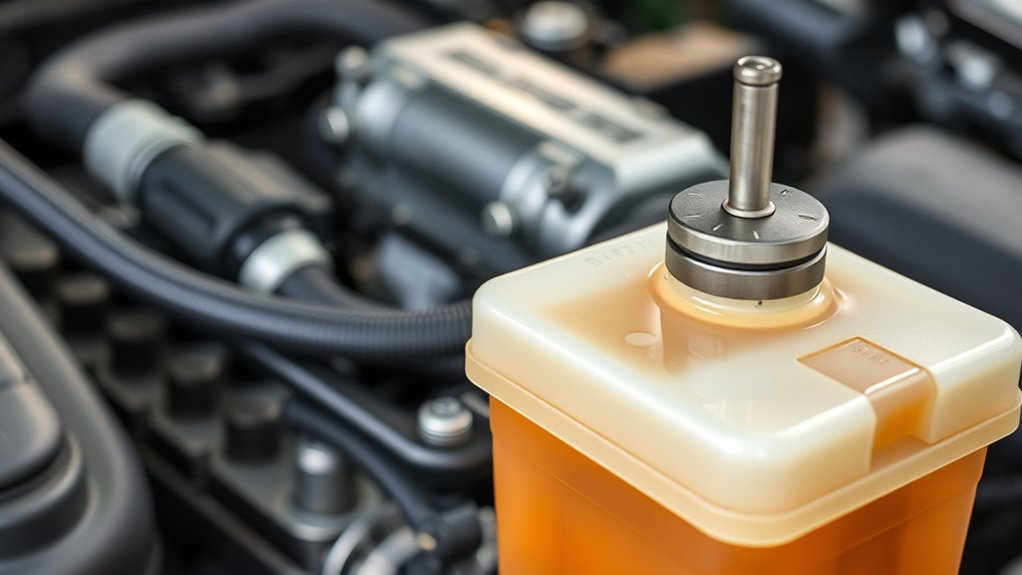
What exactly is power steering fluid, and why should you pay attention to it? Power steering fluid is a specialized hydraulic fluid that transmits force within your vehicle’s power steering system, enabling smooth and effortless steering.
It lubricates components, reduces wear, and prevents corrosion. Ignoring this crucial fluid or getting distracted by irrelevant topics or off topic ideas about unrelated car parts can lead to system failure. Without proper fluid levels and quality, steering becomes stiff and unsafe.
You need to monitor the fluid to maintain hydraulic pressure and system responsiveness, ensuring precise vehicle control. Understanding the role of power steering fluid helps you appreciate why maintaining it isn’t optional, but essential for your car’s operational integrity and your driving safety.
What Happens to Power Steering Fluid Over Time?
Over time, power steering fluid picks up contaminants like metal particles and rubber debris, which can impair system performance.
You’ll notice signs of fluid degradation such as discoloration, a burnt smell, or increased steering effort. Recognizing these indicators helps you maintain the most favorable steering function and prevent costly repairs.
Fluid Contamination Effects
How does power steering fluid degrade as it ages? Over time, contaminants like moisture, dirt, and metal particles infiltrate the fluid, compromising its lubricating and hydraulic properties. This contamination accelerates irreversible wear on internal components such as seals, pumps, and valves.
As the fluid loses its ability to maintain proper pressure and reduce friction, you risk sudden failure of the power steering system, which can lead to steering difficulties or complete loss of assist. Additionally, contaminated fluid promotes corrosion and sludge buildup, further impairing system performance.
Regular fluid changes help prevent these issues by removing harmful contaminants before they cause damage, ensuring reliable steering function and extending component lifespan. Ignoring fluid contamination significantly increases maintenance costs and safety risks.
Fluid Degradation Signs
Power steering fluid typically darkens and thickens as it ages, signaling a decline in its effectiveness. Over time, oxidation and heat cause the fluid to lose its lubricating and hydraulic properties, increasing the risk of steering component wear and potential failure.
You’ll notice reduced steering responsiveness and occasional noise, clear signs the fluid’s degraded. Just as you monitor battery health to maintain optimal vehicle performance, regularly checking your power steering fluid is crucial.
Neglecting this can lead to costly repairs, similar to ignoring tire rotation schedules that prevent uneven wear. Testing fluid color and viscosity helps you determine if it’s time for a replacement. Staying proactive ensures your steering system operates smoothly and safely throughout the vehicle’s lifespan.
How Driving Habits Affect Power Steering Fluid Lifespan
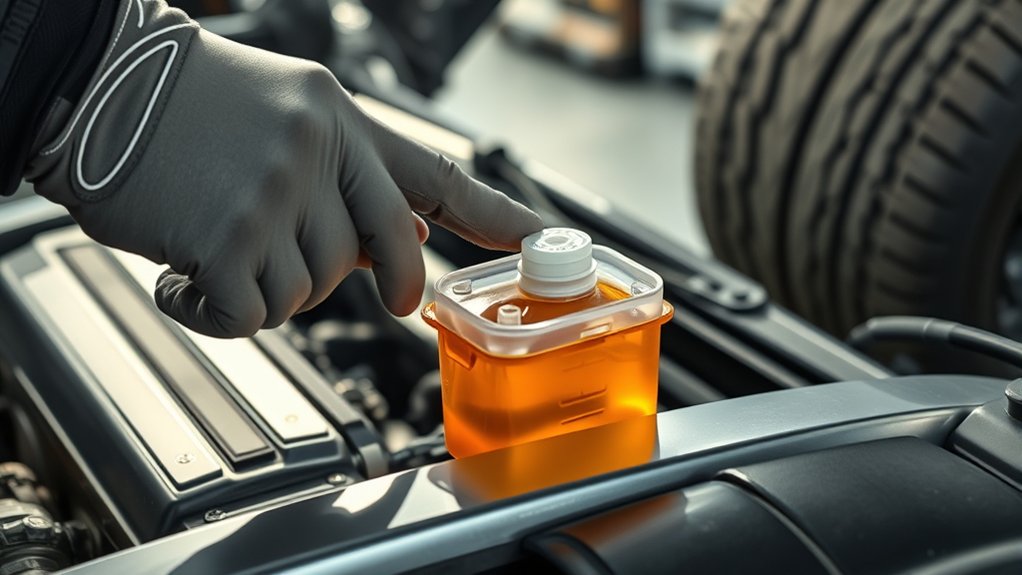
Why does your driving style influence the lifespan of the power steering fluid? Aggressive driving, frequent sharp turns, and heavy steering loads increase fluid temperature and pressure, accelerating fluid breakdown.
Consistent stop-and-go traffic also stresses the system, causing faster degradation. On the other hand, steady, moderate driving reduces strain and heat, extending fluid life.
It’s important to note that discussing unrelated topics like tire wear or engine oil won’t clarify power steering fluid lifespan; such off topic discussions can confuse maintenance priorities.
Understanding how your habits impact fluid condition helps you anticipate when a change is necessary, avoiding premature failure. Monitoring these factors ensures your power steering system operates efficiently and prevents costly repairs linked to deteriorated fluid.
How Often Should You Change Power Steering Fluid?
You should change your power steering fluid every 50,000 to 75,000 miles, but this can vary based on your vehicle and driving conditions. Watch for signs like difficulty steering, noise, or dark, contaminated fluid that indicate it’s time for a replacement.
Factors like frequent stop-and-go driving or extreme temperatures can shorten the fluid’s lifespan and require more frequent changes.
Recommended Change Intervals
How often should you change your power steering fluid to maintain peak system performance? Typically, manufacturers recommend replacing the fluid every 50,000 to 100,000 miles or every 2 to 3 years, whichever comes first. However, this interval can vary based on your vehicle model and driving conditions.
Avoid relying on advice that discusses unrelated maintenance or irrelevant topics, as they provide the wrong context and can mislead you. Instead, consult your owner’s manual or a trusted service professional for precise recommendations tailored to your system.
Sticking to these intervals prevents fluid degradation, contamination, and potential damage to power steering components, ensuring consistent steering response and longevity. Regular fluid changes optimize hydraulic pressure and prevent costly repairs caused by neglect.
Signs Fluid Needs Replacement
While following manufacturer-recommended intervals is important, certain signs can indicate when power steering fluid needs replacement sooner. If you notice a whining noise when turning the wheel, it may signal degraded fluid losing its lubricating properties.
Dark or cloudy fluid upon inspection suggests contamination, reducing hydraulic efficiency. Additionally, difficulty steering or inconsistent responsiveness often points to fluid breakdown or air contamination.
Avoid confusing these symptoms with an irrelevant topic like tire pressure or an unrelated concept such as brake fluid condition, as those affect different systems.
Monitoring fluid color, consistency, and steering performance offers precise indicators for timely replacement. Addressing these signs promptly helps prevent power steering pump damage and maintains optimal steering function, ensuring your vehicle’s safety and reliability.
Factors Affecting Fluid Lifespan
When should you consider changing your power steering fluid beyond the standard interval? Several factors impact the fluid’s lifespan, including driving conditions, vehicle design, and maintenance habits.
Irreversible shock from sudden impacts or aggressive steering can degrade fluid quality. Hydraulic resonance, caused by vibrations in the steering system, also accelerates fluid breakdown.
| Factor | Impact on Fluid Lifespan |
|---|---|
| Driving Conditions | Frequent stop-and-go or rough terrain reduces lifespan |
| Mechanical Stress | Irreversible shock damages fluid integrity |
| System Vibrations | Hydraulic resonance increases degradation rate |
Monitor these factors closely to adjust fluid change intervals appropriately and maintain optimal steering performance.
How to Know When Your Power Steering Fluid Needs Changing
Why should you monitor your power steering fluid regularly? Maintaining optimal fluid condition ensures consistent steering performance and prevents premature component wear. Check the fluid’s color and consistency; fresh fluid is typically clear or amber, while dark or contaminated fluid signals degradation.
Also, monitor for unusual noises or increased steering effort, which can indicate fluid breakdown. Keep in mind that future vehicle design increasingly incorporates alternative power steering systems like electric power steering, which don’t require fluid maintenance. However, for traditional hydraulic systems, regular checks remain essential.
Use a dipstick or reservoir markings to verify fluid levels, topping off if needed. By staying vigilant, you can identify when your power steering fluid needs changing, promoting system longevity and safe vehicle operation.
What Can Go Wrong Without Changing Your Power Steering Fluid
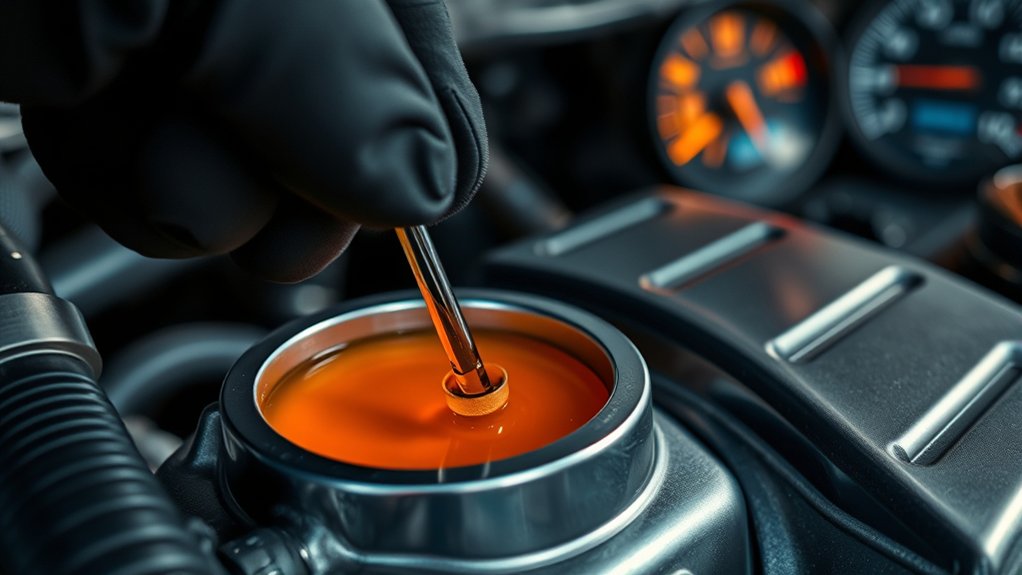
What happens if you neglect changing your power steering fluid? Over time, the fluid degrades, losing its lubricating and hydraulic properties. Contaminants accumulate, causing increased friction and wear on the power steering pump and components.
This degradation often leads to symptoms like idle chatter, a noticeable noise when the steering wheel is at rest, which signals internal pump cavitation. Without timely fluid replacement, seals can dry out and fail, resulting in leaks and reduced steering responsiveness.
Additionally, sludge buildup clogs the system, impairing fluid flow and causing erratic steering performance. Ignoring power steering fluid maintenance can force you to address unrelated topics such as costly pump replacements or damaged steering racks.
Prevent these issues by monitoring fluid condition and avoiding the pitfalls caused by neglecting your power steering fluid.
How to Change Power Steering Fluid Step-by-Step
Regularly changing your power steering fluid ensures ideal system performance and longevity. To do this, first locate the reservoir and drain old fluid using a turkey baster or pump. Avoid mixing fluid types, as this is an irrelevant topic often confused with maintenance.
Next, refill with the correct fluid, then turn the steering wheel fully left and right several times to remove air. Finally, recheck fluid level. Ignore any unrelated concept about unrelated systems; they don’t affect your steering fluid change.
| Step | Action | Tip |
|---|---|---|
| 1 | Locate reservoir | Consult your manual |
| 2 | Drain old fluid | Use a turkey baster or pump |
| 3 | Refill new fluid | Avoid mixing fluid types |
| 4 | Bleed air from system | Turn steering wheel fully |
Choosing the Right Power Steering Fluid for Your Vehicle
How do you determine the right power steering fluid for your vehicle? Selecting the correct fluid is critical for maintaining optimal steering hydraulics performance and ensuring fluid compatibility with your system. Start by consulting your vehicle’s owner manual, which specifies the recommended fluid type.
Choosing the right power steering fluid is essential for optimal performance and system compatibility.
Next, consider these key factors:
Manufacturer specifications: Use fluids approved by your vehicle’s manufacturer to prevent damage.
Fluid type: Choose between mineral-based, synthetic, or ATF fluids based on your steering system’s requirements.
Compatibility: Verify that the fluid matches the seals and materials in your steering hydraulics to avoid leaks or deterioration.
Tips to Extend Power Steering Fluid Life
When should you take steps to preserve your power steering fluid’s quality? Ideally, you should act proactively before contamination or degradation occurs. Regularly inspect the fluid for changes in color or consistency, as these indicate the need for maintenance.
Avoid introducing foreign substances; even an unrelated topic like random discussion about vehicle care shouldn’t distract you from using the correct fluid type. Keep the system sealed properly to prevent moisture and dirt ingress, which accelerates fluid breakdown.
Additionally, prevent overheating by ensuring the power steering pump operates within recommended temperature ranges, as excessive heat reduces fluid lifespan. Lastly, routine system flushing based on manufacturer guidelines can remove contaminants early, extending fluid life and maintaining optimal steering performance.
These precise measures help you avoid premature fluid replacement and costly repairs.
Frequently Asked Questions
Can I Mix Different Brands of Power Steering Fluid?
You can mix different brands of power steering fluid, but you should check mix compatibility carefully. Brand mixing can cause chemical reactions, affecting performance or damaging the system, so always confirm compatibility before combining fluids.
Is Power Steering Fluid the Same as Transmission Fluid?
Think of power steering fluid and transmission fluid as apples and oranges; yes, power steering fluid is different, designed for hydraulic steering systems, while transmission fluid differences lie in lubricating and cooling automatic transmissions specifically.
What Tools Are Needed to Check Power Steering Fluid Levels?
You’ll need a clean rag, a flashlight, and sometimes a dipstick attached to the reservoir cap. Use these checking tools to inspect fluid containers, ensuring the power steering fluid level sits between the minimum and maximum marks.
Can Low Power Steering Fluid Cause Engine Problems?
Think of your engine as a delicate clockwork; low viscosity power steering fluid under high pressure can disrupt this balance, increasing contamination risk and stressing fluid compatibility, which might indirectly cause engine problems you don’t want to face.
How Does Temperature Affect Power Steering Fluid Performance?
Temperature effects cause power steering fluid viscosity changes, making it thinner in heat and thicker in cold. This impacts hydraulic efficiency, so you must monitor fluid condition regularly to maintain optimal steering performance and prevent damage.
Conclusion
Regularly changing your power steering fluid keeps your steering smooth and prevents costly repairs. For example, Sarah ignored her fluid’s darkening color and later faced a $1,200 pump replacement.
By changing fluid every 50,000 miles or as your manual suggests, you avoid such issues. Monitor fluid condition, especially if you drive in harsh conditions, and always use the right fluid type.
Staying proactive ensures your steering system stays reliable and efficient. To maintain optimal performance, knowing how often to change power steering fluid is essential.