Did you know that nearly 30% of power steering failures stem from low or contaminated power steering fluid? If you want to maintain smooth steering and avoid costly repairs, knowing how to properly add power steering fluid is essential.
It’s not just about topping off the reservoir—you need to use the right fluid, prepare your vehicle correctly, and follow a careful procedure to prevent damage. Understanding these steps will help you handle the task with confidence.
Key Takeaways
- Park the car on level ground, turn off the engine, and locate the labeled power steering fluid reservoir near the engine.
- Clean the reservoir cap and dipstick, then check the fluid level, ensuring it’s between the “MIN” and “MAX” marks.
- Identify and use the correct fluid type specified in the owner’s manual to avoid system damage.
- Add fluid slowly using a clean funnel, avoiding overfilling, and stop once the level reaches the recommended mark.
- After adding fluid, turn the steering wheel fully left and right to circulate fluid, then recheck the level and inspect for leaks.
How To Check Your Power Steering Fluid Level
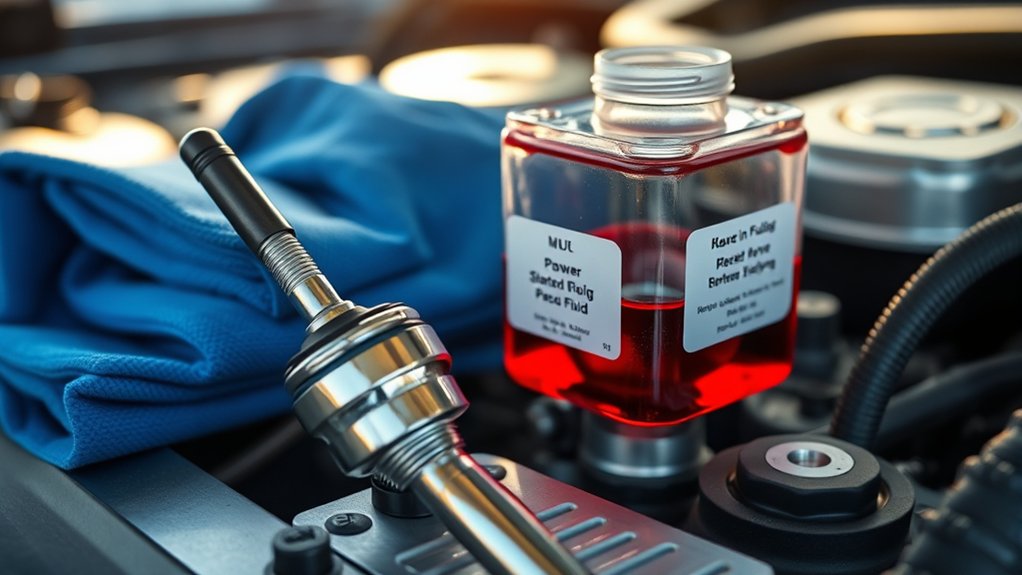
How do you accurately check your power steering fluid level? First, ensure your engine is off and cool to avoid injury or inaccurate readings. Locate the power steering reservoir, usually labeled and mounted near the engine.
To check power steering fluid, ensure the engine is off and cool, then find the labeled reservoir near the engine.
Wipe the dipstick clean, reinsert it fully, then remove it again to check the fluid level. The fluid should be between the “MIN” and “MAX” marks. If it’s low, you’ll need to add fluid later.
Avoid confusing this with unrelated topics like checking brake fluid. Remember, proper fluid levels are crucial for smooth steering, especially in demanding conditions like night driving, where precise control is essential.
Regular checks prevent steering issues and keep your vehicle responsive and safe.
When and Why To Add Power Steering Fluid
Although power steering fluid levels can remain stable for extended periods, you should add fluid whenever the level drops below the recommended minimum on the reservoir dipstick. Low fluid levels cause increased steering effort and potential pump damage.
Additionally, fluid aging leads to viscosity fluctuations, reducing lubrication efficiency and increasing wear. Regularly topping off fluid maintains peak system performance.
| Condition | Symptom | Action Required |
|---|---|---|
| Fluid level below minimum | Hard steering | Add power steering fluid |
| Fluid dark or contaminated | Noise from pump | Replace fluid |
| Viscosity fluctuations detected | Erratic steering response | Check fluid condition |
| Fluid aging beyond service interval | Increased steering effort | Flush and replace fluid |
| Normal level and clear fluid | Smooth steering | No action needed |
What Type Of Power Steering Fluid Does Your Car Need
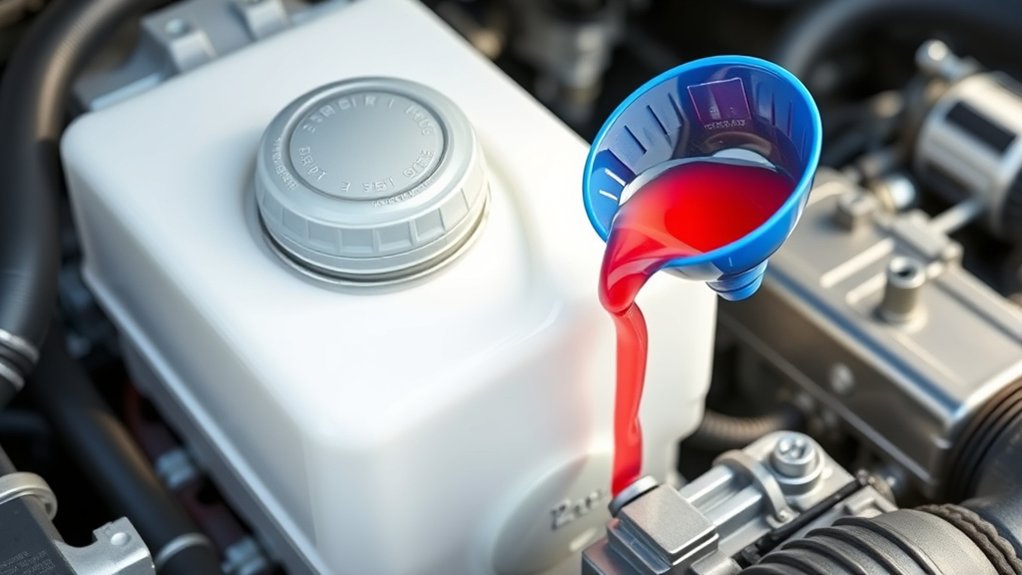
What type of power steering fluid does your car require depends primarily on the manufacturer’s specifications. Avoid irrelevant discussion or unrelated topic suggestions; stick to your vehicle’s needs.
To determine the correct fluid:
- Check your owner’s manual for the exact fluid type recommended.
- Identify if your vehicle requires standard hydraulic fluid, synthetic fluid, or a specific brand’s proprietary formula.
- Look for certifications or approvals listed in the manual, such as Dexron, Mercon, or specific OEM standards.
- Confirm the fluid’s compatibility with your power steering system to prevent damage or performance issues.
Following these steps ensures you select the proper fluid, maintaining system efficiency and avoiding costly repairs. Don’t rely on general advice or unrelated topic sources for this critical choice.
How To Get Your Car Ready Before Adding Fluid
Before adding power steering fluid, park your car on a level surface to ensure accurate fluid measurement. Turn off the engine and wait a few minutes for the system to settle.
Then, locate the power steering reservoir, usually marked and positioned near the engine.
Park On Level Ground
Where should you position your vehicle to ensure accurate power steering fluid measurement? Always park on level ground to obtain precise fluid levels and maintain safety. Here’s what to do:
- Find a flat, stable surface free of slopes or inclines.
- Apply the parking brake firmly to prevent any movement.
- Ensure the vehicle is completely stopped and in “Park” gear for automatic or in first gear for manual transmissions.
- Place absorbent mats or rags beneath the reservoir area for spill prevention.
Pay close attention while parking to avoid uneven surfaces that can result in inaccurate readings and potential fluid spills. By parking with this level of care, you maintain both spill prevention and parked attention, setting the stage for a smooth fluid check and refill process.
Turn Off Engine
Why must you turn off your engine before adding power steering fluid? Turning off the engine prevents pressurized fluid from circulating through the system, reducing the risk of leaks or injury. It also ensures that the fluid level you add is accurate, as the pump is inactive and fluid pressure is stable.
Before you proceed, make sure your vehicle is parked on level ground to avoid uneven fluid readings. If you’re preparing for off road driving or have experienced an emergency tow, double-check that the engine is off to avoid damage during fluid maintenance.
Never attempt to add fluid with the engine running, as this can cause air bubbles and improper fluid distribution, compromising steering performance and safety. Always prioritize safety and system integrity by powering down your vehicle first.
Locate Power Steering Reservoir
How do you find the power steering reservoir in your vehicle? Start by opening the hood and identifying the engine compartment. The reservoir is usually a small, translucent plastic container with a cap labeled “Power Steering” or a steering wheel symbol.
Avoid getting distracted by any irrelevant topic or unrelated concept like the coolant or brake fluid reservoirs. Follow these steps:
- Locate the serpentine belt and trace it to the power steering pump.
- Find the connected reservoir, often mounted near the pump.
- Look for markings indicating fluid levels on the reservoir’s side.
- Consult your owner’s manual if you can’t identify it visually.
Step-By-Step Guide To Adding Power Steering Fluid
When should you add power steering fluid to maintain optimal system performance? You should add fluid when the level drops below the “MIN” mark on the reservoir, ensuring driving safety and proper engine maintenance.
First, park the vehicle on a level surface and turn off the engine. Next, clean the reservoir cap to avoid contamination, then remove it carefully. Using a clean funnel, slowly pour the recommended power steering fluid into the reservoir, stopping frequently to check the level. Avoid spilling fluid on hot engine parts.
After filling, replace the cap securely. Finally, start the engine and turn the steering wheel fully from side to side a few times to circulate the fluid. Recheck fluid levels and add more if necessary to complete the process.
How To Avoid Overfilling Your Power Steering Reservoir
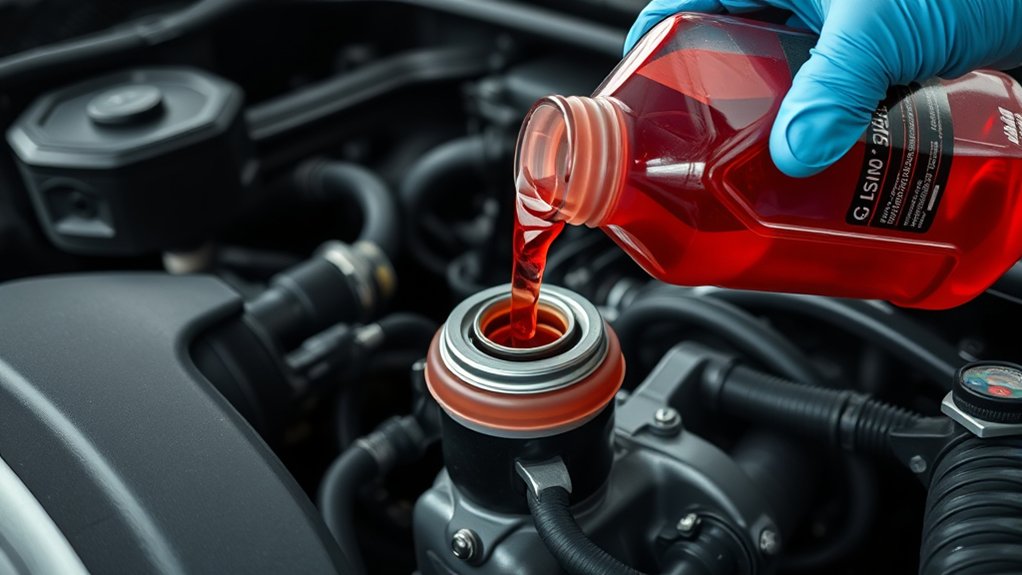
Carefully monitoring the fluid level during refills prevents overfilling your power steering reservoir, which can cause leaks or damage. To avoid this, follow these precise steps:
Monitoring fluid levels during refills prevents overfilling and protects your power steering system from leaks and damage.
- Park your vehicle on a level surface after pet care stops or before road trips to ensure accurate fluid readings.
- Clean the reservoir cap and dipstick with a lint-free cloth to avoid contamination.
- Add fluid slowly, checking the level frequently against the “MIN” and “MAX” marks on the dipstick or reservoir window.
- Stop adding fluid immediately once it reaches the “MAX” line to prevent overfilling that can compromise system pressure and cause leaks.
Signs Your Power Steering Fluid Needs Replacing And How To Replace It
Keeping your power steering fluid at the correct level is just one part of maintenance; recognizing when the fluid needs replacing is equally important to ensure your steering system operates smoothly. Signs include unusual whining noises when turning, increased steering effort, or dark, contaminated fluid in the reservoir.
Avoid confusing these symptoms with non vehicle topics or unrelated maintenance issues. To replace the fluid, start by locating the reservoir and draining the old fluid. Use a turkey baster or siphon pump for precision.
Then refill with the manufacturer-recommended power steering fluid, avoiding overfilling. Finally, turn the steering wheel fully left and right several times to circulate the new fluid, and check the level again. Proper replacement prevents system wear and maintains optimal steering performance.
Common Mistakes When Adding Power Steering Fluid
Why do so many people struggle with adding power steering fluid correctly? The process demands precision and attention to detail. Avoid these common mistakes:
- Overfilling the reservoir can cause leaks and system damage.
- Using the wrong type of fluid. Stick to the recommended type, noting the benefits of synthetic fluid for improved performance and longevity.
- Not knowing how to bleed the system properly. Trapped air leads to poor steering response.
- Ignoring contamination. Always clean the reservoir cap and funnel to prevent dirt from entering.
How To Dispose Of Old Power Steering Fluid Properly
You need to handle old power steering fluid carefully to prevent environmental contamination. Check your local disposal regulations to guarantee you follow proper procedures.
Never pour the fluid down drains or onto the ground; instead, take it to a designated recycling or hazardous waste facility.
Environmental Impact Considerations
Proper disposal of old power steering fluid is essential to prevent environmental contamination and adhere to safety regulations. To minimize environmental impact, follow these key guidelines:
- Store used fluid in a sealed, labeled container to avoid leaks and spills.
- Do not pour fluid down drains, onto soil, or into water systems, as it severely harms ecosystems.
- Utilize authorized recycling options or hazardous waste collection centers specifically equipped to handle automotive fluids.
- Clean any contaminated surfaces promptly with absorbent materials to prevent further environmental damage.
Local Disposal Regulations
How should old power steering fluid be disposed of according to local regulations? You must never pour it down drains, onto soil, or into water sources. Instead, collect the used fluid in a sealed container to prevent leaks.
Contact your local recycling center or hazardous waste disposal facility to learn the proper drop-off procedures for automotive fluids. Many areas have designated collection points specifically for fluids like power steering fluid.
Adhering to local recycling guidelines ensures the fluid is processed safely, minimizing environmental harm. Check with municipal authorities for any specific rules or scheduled hazardous waste disposal events.
Proper disposal not only complies with regulations but also protects water quality and soil health. Always handle and transport the fluid securely to avoid spills during disposal.
When To See A Mechanic For Power Steering Fluid Problems
When should you consult a mechanic about power steering fluid issues? If you notice persistent problems despite inspecting leaks and listening for noises, it’s time to seek professional help. Here are four key signs:
- Continuous Fluid Loss: After thoroughly inspecting leaks, if fluid levels drop quickly, a mechanic must diagnose the source.
- Unusual Noises Persist: If you keep hearing whining or groaning when turning the wheel despite topping off fluid, professional inspection is necessary.
- Stiff or Erratic Steering: Difficulty steering or unexpected resistance indicates possible pump or hose failure.
- Fluid Contamination: Dark, burnt-smelling, or foamy fluid suggests internal damage requiring expert evaluation.
Frequently Asked Questions
Can Power Steering Fluid Cause Damage if Spilled on Paint?
Yes, power steering fluid can damage your paint if spilled. You should perform immediate spill cleanup using a mild detergent and water to protect the paint.
Quick action guarantees effective paint protection and prevents staining or deterioration.
Is Power Steering Fluid the Same as Transmission Fluid?
Is power steering fluid the same as transmission fluid? No, they’re formulated differently for specific systems.
Using transmission fluid in power steering can cause damage. Always check your owner’s manual to ensure you use the correct fluid type.
How Long Does Power Steering Fluid Typically Last Once Added?
Power steering fluid typically has a power lifespan of about 2 to 3 years. You should perform regular fluid maintenance, checking levels and quality to ensure optimal steering performance and avoid premature system wear or failure.
Can I Add Power Steering Fluid if My Car Has an Electric Steering System?
You don’t add power steering fluid if your car’s electric steering is the captain; it runs on electricity, not fluid.
Think of it like lead acid battery replacements. Engine oil capacity won’t affect this electric system’s function.
What Are the Environmental Impacts of Power Steering Fluid Leaks?
You’ll cause environmental spills if power steering fluid leaks, contaminating soil and water. Act quickly to perform leak containment, using absorbents and proper disposal methods to minimize toxic impacts and comply with environmental regulations.
Conclusion
Now that you know how to add power steering fluid properly, remember that 30% of steering system failures stem from low or contaminated fluid. Keeping your fluid at the right level prevents costly damage and guarantees smooth steering.
Always use the correct fluid type and follow the step-by-step process to avoid mistakes. Routine checks and proper maintenance will extend your power steering’s lifespan and keep your vehicle responsive and safe on the road.
In conclusion, regularly adding power steering fluid is essential to maintaining the health and performance of your steering system.