If you’ve noticed your steering feels stiffer or hear unusual noises while turning, your power steering fluid might be low. Checking the power steering fluid level is an important step to ensure your vehicle handles smoothly and safely.
To confirm, you’ll need to locate the reservoir under the hood, typically marked with MIN and MAX levels. Check the fluid when the engine is cool and the car is on level ground.
But knowing where to look and what signs to watch for is just the start of understanding the full picture. Regularly monitoring your power steering fluid can help prevent more serious steering issues down the road.
Key Takeaways
- Check the power steering fluid reservoir under the hood for fluid level between MIN and MAX marks.
- Listen for unusual whining or squealing noises when turning the steering wheel.
- Notice if steering feels harder or erratic, indicating reduced hydraulic pressure from low fluid.
- Look for visible fluid leaks under the vehicle, which may signal low fluid or hose damage.
- Inspect fluid condition; dark, cloudy, or gritty fluid suggests contamination or breakdown needing attention.
How to Spot Low Power Steering Fluid Signs
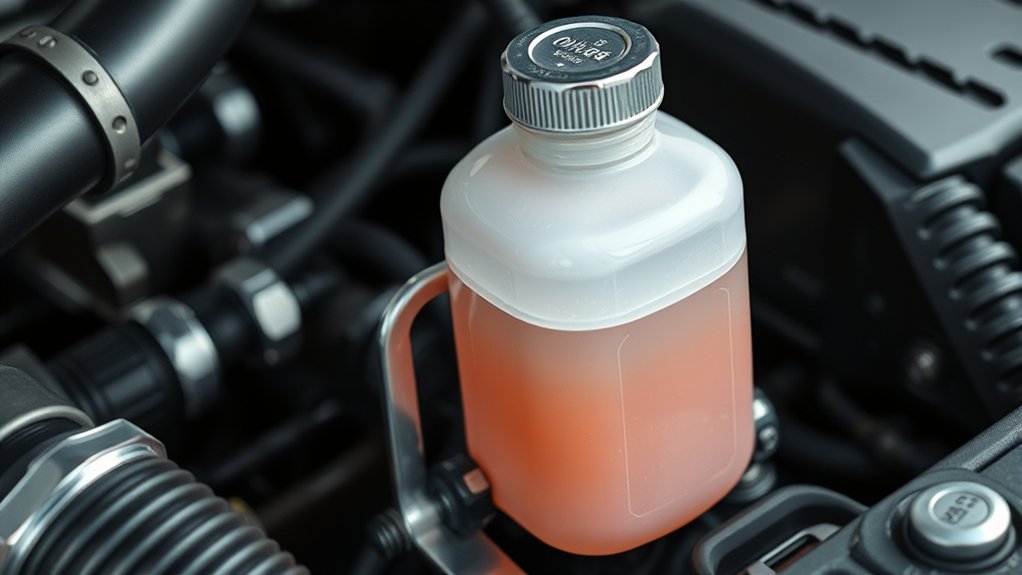
How can you quickly identify if your power steering fluid is running low? Start by checking the fluid reservoir under the hood; most vehicles have a translucent container with minimum and maximum markers. If the fluid level falls below the minimum mark, it’s a clear sign of low power steering fluid.
You might also notice unusual noises like whining or squealing when turning the wheel, which indicate fluid insufficiency. Pay attention to steering response—though you won’t delve into harder steering yet, erratic or inconsistent wheel movement can signal low fluid.
Regular care maintenance includes inspecting this fluid to prevent damage and maintain optimal fuel economy, as inefficient steering systems may indirectly increase fuel consumption through added engine load. Always top off with the manufacturer-recommended fluid type.
Understanding Why Low Power Steering Fluid Makes Steering Harder
You rely on power steering fluid to transmit hydraulic pressure that assists your steering system. When the fluid level drops, this pressure decreases, making it harder to turn the wheel.
Understanding this connection helps you identify why your steering feels stiff and unresponsive.
Power Steering Fluid Role
Why does low power steering fluid make turning the wheel so difficult? The fluid acts as a hydraulic medium, transmitting pressure from the steering pump to the steering gear, reducing the effort needed to turn. Without enough fluid, the system loses efficiency, making steering harder.
Understanding the fluid’s role helps with smart car care and budget planning, as timely maintenance prevents costly repairs.
| Component | Function | Impact of Low Fluid |
|---|---|---|
| Power Steering Pump | Generates hydraulic pressure | Reduced pressure, harder steering |
| Steering Gear | Converts hydraulic pressure to motion | Increased manual effort required |
| Fluid Reservoir | Stores and supplies fluid | Insufficient fluid flow |
| Hydraulic Lines | Transmit fluid between components | Potential leaks and loss of pressure |
Keep fluid at proper levels to ensure smooth steering and avoid unexpected expenses.
Effects Of Fluid Loss
When power steering fluid levels drop, the hydraulic system can’t generate enough pressure to assist your steering effectively. This results in increased steering effort, making the wheel harder to turn, especially at low speeds.
Low power steering fluid compromises the system’s ability to maintain smooth, responsive handling, which can strain related components and accelerate wear. You might confuse this resistance with other issues, such as low fuel affecting engine performance or thickened engine oil causing sluggishness, but steering difficulty directly relates to fluid loss.
Maintaining proper fluid levels ensures the hydraulic pump operates efficiently, preventing excessive load on the engine and avoiding premature component failure. Monitoring power steering fluid alongside engine oil and fuel levels is critical for optimal vehicle control and safety.
Where to Find Your Power Steering Fluid Reservoir
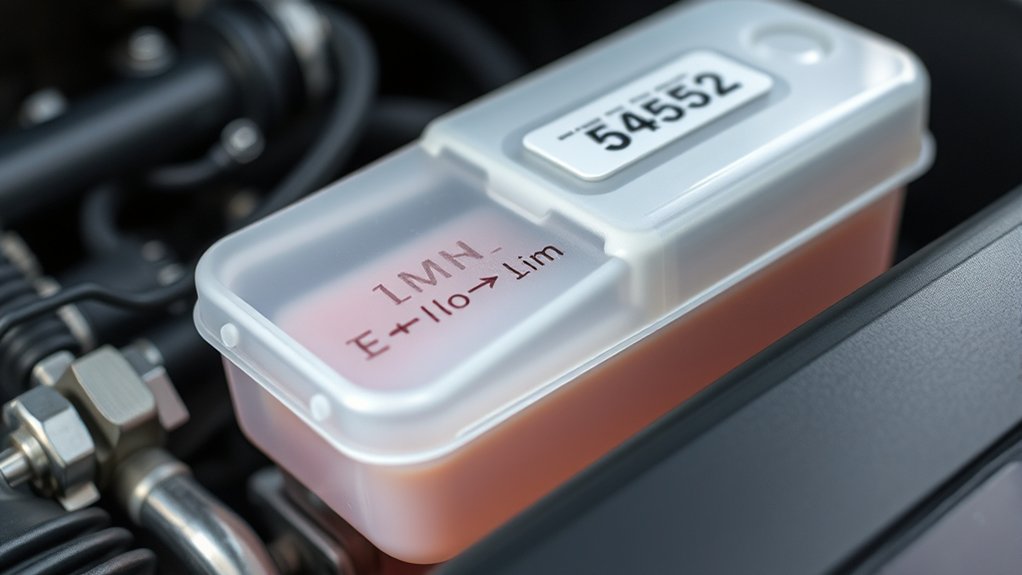
Locating the power steering fluid reservoir is essential for maintaining your vehicle’s steering system. Typically, you’ll find it in the engine bay, near the front, on or near the power steering pump.
It’s usually a small, translucent plastic container with a screw-on or pop-off cap labeled “Power Steering” or marked with a steering wheel icon. Avoid confusing it with other fluid reservoirs, as discussing irrelevant topics like windshield washer or brake fluid reservoirs is an unrelated concept here.
Checking your owner’s manual can provide exact location details since placement varies by make and model. Identifying the reservoir correctly allows you to monitor fluid levels accurately and prevents mistakes that could lead to steering issues or unnecessary repairs.
Focus solely on this component to maintain steering system integrity.
How to Check Your Power Steering Fluid Level
After identifying the power steering fluid reservoir, the next step is to check the fluid level accurately. First, ensure your engine is cool and the vehicle is on a level surface.
Start by locating the power steering fluid reservoir, then check the fluid level with a cool engine on level ground.
Remove the reservoir cap or dipstick, wipe it clean, reinsert fully, then remove it again to read the fluid level. Compare the level with the “MIN” and “MAX” marks on the dipstick or reservoir side.
Use this comparison to determine if the fluid is within the recommended range. Regularly checking your power steering fluid should be part of your vehicle maintenance checklist to prevent steering issues.
Pro tip: consult your owner’s manual for specific fluid types and checking intervals to optimize performance and avoid damage.
How to Tell if Your Power Steering Fluid Looks or Feels Wrong

Check the color and clarity of your power steering fluid first; it should be clear or slightly amber. If the fluid looks dark, cloudy, or contains particles, it’s likely contaminated.
Also, pay attention to texture and smell. If it feels gritty or smells burnt, you need to address the issue promptly.
Color and Clarity
Several factors can affect the color and clarity of your power steering fluid, providing key indicators of its condition. You want to check for a low key color contrast change from the original fluid, which is usually translucent amber or light red.
A darker, cloudy, or blackened fluid suggests contamination or oxidation, signaling potential system issues.
| Fluid Condition | What It Indicates |
|---|---|
| Clear amber/red | Normal, healthy fluid |
| Dark brown/black | Oxidized, degraded fluid |
| Cloudy or milky | Water contamination |
| Bright red or pink | Possible contamination |
| Metallic particles | Internal component wear |
Texture and Smell
How can you tell if your power steering fluid feels or smells off? First, check the texture: it should be smooth and oily, not gritty or thick. Gritty fluid often signals contamination by metal particles or dirt, which can impair steering function.
Next, assess the smell. Fresh power steering fluid has a mild, hydraulic odor. A burnt or sour smell indicates overheating or fluid breakdown, compromising driving safety.
Ignoring these signs can lead to steering failure or costly repairs. Incorporate regular checks of texture and smell into your maintenance routines to detect issues early.
How Often to Check and Top Off Power Steering Fluid
Regularly inspecting your power steering fluid ensures top-notch steering performance and prevents potential damage to the system. To maintain optimal fluid levels, follow these guidelines:
- Check your fluid every 3,000 to 5,000 miles or during routine oil changes. Consistency is key to avoid unexpected issues.
- Top off fluid immediately if levels drop below the minimum mark on the reservoir dipstick, using the manufacturer-recommended type.
- Inspect more frequently if you notice steering difficulty or leaks, as these signs often precede serious problems.
Avoid mixing unrelated topics like tire pressure or brake fluid with power steering maintenance. Instead, focus on two word ideas such as “fluid level” and “system health” to keep your approach specific and effective.
When to Take Your Car to a Mechanic for Power Steering Fluid Problems
Monitoring your power steering fluid level and system health helps catch minor issues early, but some problems require professional assessment. If you notice persistent whining noises, difficulty steering, or visible leaks under the vehicle, it’s crucial to take your car to a mechanic.
These symptoms often indicate internal pump damage or hose deterioration, which can compromise driving safety. Additionally, if you frequently need to top off fluid, a mechanic can identify and repair underlying leaks or system failures. Addressing these concerns promptly prevents further damage and costly repairs.
Regular car maintenance, including thorough inspections by a professional, ensures your power steering system operates efficiently, maintaining vehicle control and your safety on the road. Don’t delay professional evaluation if you suspect serious fluid issues.
Frequently Asked Questions
What Type of Power Steering Fluid Is Best for My Vehicle?
You should check your owner’s manual for power steering fluid compatibility, as using the wrong type can damage your system. Focus on two-word discussion ideas like “fluid type” and “manufacturer specs” to ensure proper performance.
Can Power Steering Fluid Leak Cause Engine Damage?
A leaking power steering fluid is like a wilting lifeline; if ignored, leak implications can extend beyond steering. This risks engine damage due to fluid safety compromise. Act quickly to maintain system integrity and avoid costly repairs.
Is It Safe to Drive With Low Power Steering Fluid?
Driving with low power steering fluid isn’t safe because it compromises steering safety and can cause pump damage.
You should prioritize fluid maintenance to ensure smooth steering response and prevent costly repairs or loss of vehicle control.
How Do I Fix a Power Steering Fluid Leak at Home?
You can fix power steering fluid leaks at home by locating the leak, tightening loose clamps, replacing damaged hoses, or sealing minor cracks with a stop-leak additive.
Always clean the area and monitor fluid levels after repair.
Does Power Steering Fluid Expire or Go Bad Over Time?
Imagine leaving milk out. Just like power steering fluid, it can degrade over time. Despite unrelated debate, fluid doesn’t exactly expire but can lose effectiveness.
Checking its condition regularly is vital, avoiding irrelevant topic distractions.
Conclusion
Regularly checking your power steering fluid is essential—did you know that nearly 30% of steering system failures stem from neglected fluid levels? By inspecting the reservoir on level ground with a cool engine, you can avoid costly repairs and maintain smooth steering.
Watch for unusual noises, leaks, or contaminated fluid to catch issues early. These signs can indicate that your power steering fluid is low or compromised.
Staying proactive ensures your vehicle handles safely and efficiently, saving you time and money in the long run. Always keep an eye on your power steering fluid to maintain optimal steering performance.