Just as you wouldn’t use the same oil for every engine, using ATF for power steering fluid isn’t always straightforward. While some older models specify ATF, many modern power steering systems demand specialized fluids to maintain optimal performance and prevent damage.
Understanding when and why ATF can substitute for power steering fluid is crucial. Otherwise, you risk costly repairs and reduced system life. Let’s explore the technical differences and the impact on your vehicle’s steering system.
Key Takeaways
- ATF can be used as power steering fluid only if the vehicle manufacturer specifies it in the owner’s manual.
- ATF and power steering fluids have different chemical compositions and additives, affecting compatibility and system performance.
- Using ATF in systems not designed for it can cause seal damage, leaks, and reduced hydraulic efficiency.
- Older Ford and GM models often allow ATF as power steering fluid, but always verify with the vehicle guide.
- Always perform a complete fluid flush when switching between ATF and power steering fluid to avoid contamination.
How Are ATF and Power Steering Fluid Different?
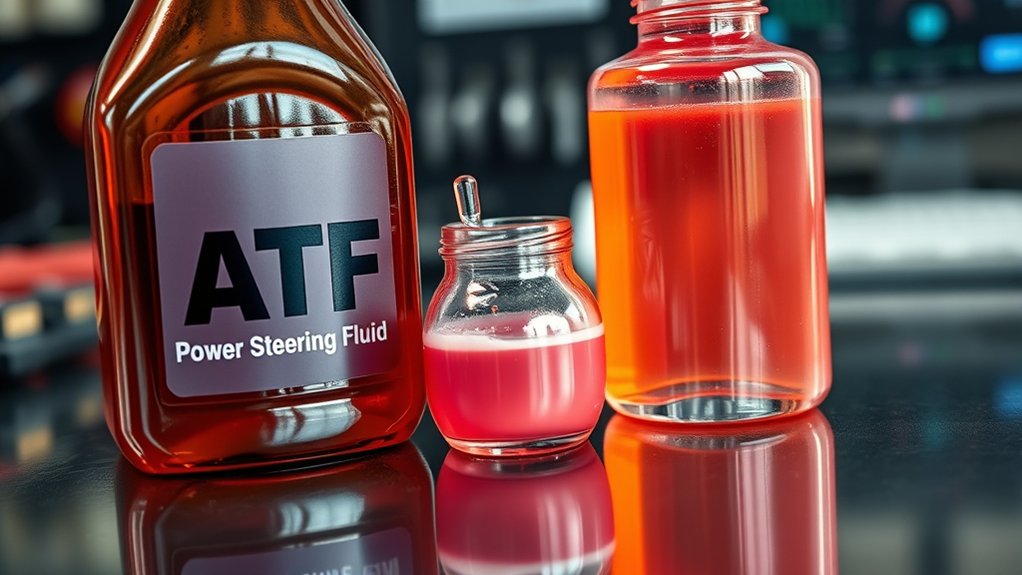
How do ATF and power steering fluid differ in composition and function? ATF, or Automatic Transmission Fluid, is formulated primarily to lubricate transmission components, provide hydraulic pressure, and cool the system. It contains friction modifiers and detergents tailored for transmission needs.
Power steering fluid, on the other hand, is designed specifically for hydraulic steering systems, emphasizing viscosity stability, anti-wear properties, and corrosion inhibitors suited to steering pumps and valves. Using the wrong fluid often leads to misdiagnosis of steering issues because symptoms may mimic mechanical failures.
If you mistakenly use ATF instead of power steering fluid, the chemical mismatch can cause seal degradation and irreversible damage to the steering system. Understanding these functional and compositional distinctions is crucial to maintaining optimal vehicle performance and avoiding costly repairs.
Can You Use ATF as Power Steering Fluid in All Systems?
While ATF and power steering fluid serve distinct purposes and differ chemically, some vehicles do specify ATF as their recommended power steering fluid. However, you shouldn’t assume ATF works in all power steering systems.
Using ATF where it’s not specified can cause irreversible contamination due to incompatible additives and viscosity differences. This contamination can degrade seals and hoses, reducing system efficiency. Moreover, the fluid’s differing frictional properties may induce excessive hydraulic noise, signaling improper fluid function.
To avoid premature wear and operational issues, always check your vehicle’s manufacturer guidelines before substituting ATF. Using the wrong fluid risks damaging your power steering system and voiding warranties, so precision matters. You need the correct fluid to maintain optimal performance and longevity.
Which Vehicles Allow ATF as Power Steering Fluid?
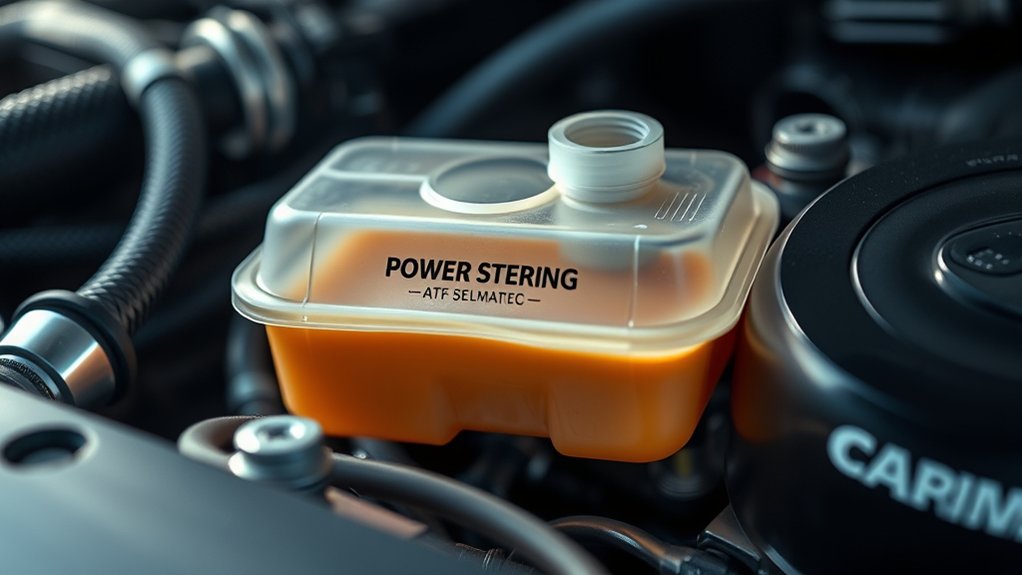
Which vehicles allow ATF as power steering fluid depends largely on manufacturer specifications and system design. Typically, older models from brands like Ford and GM often specify ATF due to the compatibility of their hydraulic systems with the fluid’s viscosity and additive package.
When performing a techniques comparison, you’ll notice that some vehicles require dedicated power steering fluids engineered for high-temperature stability, while others accept ATF without compromising system performance.
It’s crucial to consult your owner’s manual or service guide to verify brand compatibility before substituting fluids. Using the correct fluid ensures optimal seal conditioning and prevents premature wear.
Risks of Using ATF as Power Steering Fluid and Its Impact on Your Pump
You risk damaging your power steering pump if you use ATF that isn’t compatible with your system’s requirements. ATF’s chemical composition can cause seal deterioration and reduce lubrication efficiency.
Understanding these compatibility issues is essential to prevent premature pump failure.
Potential Damage to Pump
Because Automatic Transmission Fluid (ATF) differs considerably in viscosity and additive composition from dedicated power steering fluid, using it can cause premature wear and damage to your power steering pump. The pump relies on specific lubricity and sealing properties that ATF lacks, leading to increased friction and potential seal failure.
Avoid broad speculation about unrelated topic fluid effects; focus on the fluid’s chemical compatibility and mechanical impact.
| Factor | Effect on Pump |
|---|---|
| Viscosity mismatch | Increased wear, inefficient flow |
| Additive incompatibility | Seal degradation, leaks |
| Lubricity difference | Higher friction, pump stress |
| Thermal stability | Overheating, fluid breakdown |
| Corrosive properties | Component corrosion, failure |
Using ATF risks severe pump damage and reduced steering performance.
Fluid Compatibility Issues
ATF as power steering fluid: how does it affect your vehicle’s system? The primary issue lies in fluid compatibility. ATF and power steering fluid have distinct chemical formulations designed for specific hydraulic requirements.
Using ATF can cause seal degradation, increased wear, and reduced lubrication efficiency in your pump. This incompatibility stresses the pump and may lead to premature failure. Additionally, ATF’s friction modifiers differ from those in power steering fluid, impacting system responsiveness.
It’s imperative to avoid off topic discussion about unrelated topic fluids, as they further complicate compatibility risks. Sticking to manufacturer-recommended power steering fluid ensures proper viscosity, additive balance, and prevents damage.
Ignoring these compatibility concerns puts your steering system at risk, undermining safety and performance.
Signs Your Power Steering Fluid Needs Topping Up or Changing
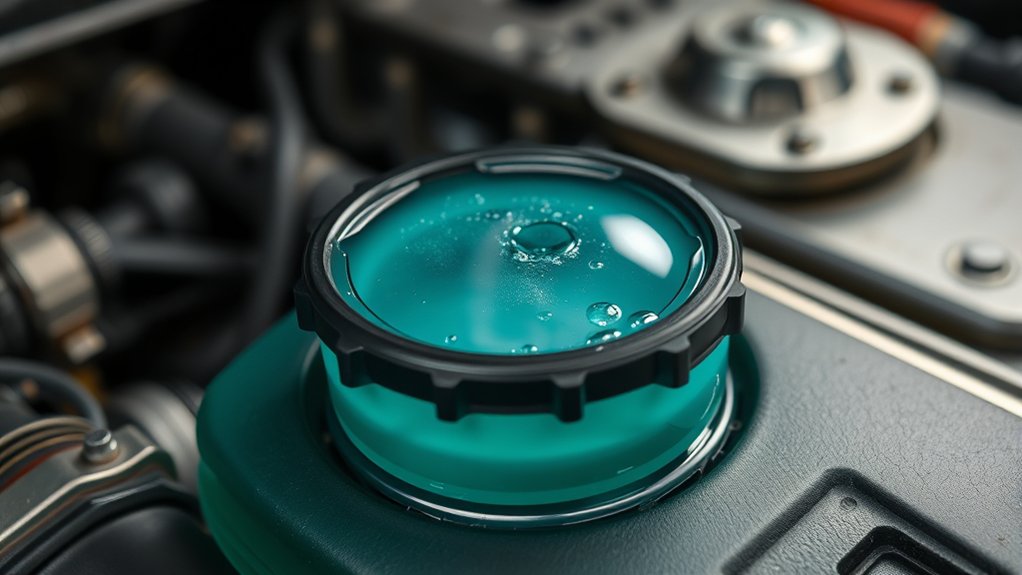
When should you consider topping up or changing your power steering fluid? You need to act promptly if you notice any signs indicating fluid degradation or depletion, especially if your vehicle supports off-road performance or vintage restorations, which demand optimal fluid condition.
Key indicators include:
- Increased steering effort or stiffness, hinting at low fluid levels or contamination
- Unusual whining or groaning noises when turning the wheel, signaling fluid breakdown
- Dark or cloudy fluid upon inspection, showing oxidation or dirt accumulation
- Leaks under the vehicle, potentially causing fluid loss and impaired system function
Monitoring these signs ensures your power steering system operates smoothly, maintains safety, and prevents costly repairs. Regular checks are essential for vehicles exposed to strenuous conditions or preserved for classic performance.
How to Identify the Correct Power Steering Fluid for Your Vehicle
You should start by checking your vehicle’s owner manual to find the recommended power steering fluid type and specifications. Pay attention to fluid standards such as viscosity and compatibility to ensure proper performance.
Additionally, recognize fluid color codes, as they can help you avoid mixing incompatible fluids.
Check Vehicle Owner Manual
The vehicle owner manual provides the definitive guide to identifying the correct power steering fluid required for your specific make and model. It eliminates guesswork and avoids irrelevant topic digressions or unrelated discussion that could lead to improper fluid use.
When consulting your manual, focus on these key points:
- Exact fluid type recommended by the manufacturer
- Fluid capacity and refill procedures
- Warnings against improper fluid substitutions
- Maintenance intervals for fluid inspection and replacement
Understand Fluid Specifications
After consulting your vehicle owner manual, turn your attention to understanding the specific fluid specifications that determine the correct power steering fluid for your system. These specifications are tailored to the car design, accounting for factors like pump type, seal materials, and operating temperatures.
Using the recommended fluid ensures optimal hydraulic performance and protects system components from wear and corrosion. Additionally, the correct fluid contributes to maintaining fuel efficiency by minimizing power loss due to fluid viscosity or incompatibility.
Manufacturers often specify fluid standards such as SAE viscosity grades or OEM certifications, which you need to match precisely. Ignoring these specifications risks damaging seals or causing pump failure, compromising steering response and overall vehicle safety.
Always prioritize adherence to fluid specifications for reliable, efficient power steering operation.
Recognize Fluid Color Codes
How can you quickly identify the correct power steering fluid for your vehicle? Recognizing fluid color codes is essential to avoid mixing incompatible fluids, which can cause damage. Unlike the clear distinction between ATF vs engine oil colors, power steering fluids and brake fluids have specific hues for easy identification.
Here’s what to look for:
- Red or pink: Typically automatic transmission fluid (ATF), often suitable for power steering.
- Clear or amber: Common for some power steering fluids, differing from engine oils.
- Light yellow: Frequently brake fluid, highlighting brake fluid importance for safety.
- Green or blue: Less common power steering fluids, verify vehicle specs before use.
Always consult your owner’s manual to match the color and type precisely, ensuring proper function and avoiding costly repairs.
Benefits of Using the Correct Power Steering Fluid
Using the correct power steering fluid guarantees optimal system performance and longevity. When you choose the specified fluid, you ensure proper lubrication, corrosion resistance, and hydraulic efficiency, critical to avoiding system wear or failure.
Just as techniques for radio control require precise calibration for reliable operation, power steering systems demand fluids formulated to exact standards. Using the wrong fluid can cause seal degradation and increased friction, much like how dairy farming contrasts in environmental conditions demand tailored approaches for optimal yield.
How to Switch Between ATF and Power Steering Fluid Safely
Before switching between ATF and power steering fluid, you need to verify fluid compatibility to prevent damage. Make certain you fully drain the existing fluid to avoid contamination.
Finally, perform a thorough system flush to ensure all residues are removed for optimal performance.
Fluid Compatibility Check
When considering a switch between ATF and power steering fluid, you need to verify the compatibility of the fluids involved. This step is essential to avoid damage to the power steering system due to chemical or viscosity mismatches.
Before proceeding, assess these factors:
- Check the manufacturer’s specifications for fluid type and compatibility.
- Compare the viscosity and additive package of ATF and power steering fluid.
- Avoid mixing fluids with incompatible seals or materials to prevent leaks or deterioration.
- Consider how subtopic: irrelevant idea 1 and subtopic: irrelevant idea 2 might affect fluid performance under different operating conditions.
Proper Fluid Drain Process
Confirming fluid compatibility sets the foundation for safely switching between ATF and power steering fluid. Before you begin, drain the existing fluid completely to prevent contamination. Avoid mixing fluids, as doing so can impair system performance.
Use a clean container to capture old fluid and dispose of it properly. Focus on the fluid lines, reservoir, and pump to ensure no residue remains.
| Step | Action | Purpose |
|---|---|---|
| Drain fluid | Remove all old fluid | Prevent contamination |
| Inspect system | Check for leaks or damage | Ensure system integrity |
| Refill with correct fluid | Use manufacturer-approved fluid | Maintain system performance |
Stick to discussion ideas relevant to fluid change; avoid unrelated topics like unrelated system repairs, ensuring your process is efficient and safe.
System Flush Importance
A thorough system flush is essential to safely switch between ATF and power steering fluid, as it removes residual contaminants that can compromise performance or damage components. Failing to flush properly may lead to irreversible damage due to fluid incompatibility or chemical reactions.
Additionally, mixing fluids can produce toxic fumes that harm both you and your vehicle’s seals. To ensure a clean switch, you should:
- Completely drain the existing fluid using the proper procedure
- Use a manufacturer-approved flushing solvent or cleaner
- Operate the steering system briefly during flush to circulate cleaner
- Dispose of all waste fluids and solvents safely to avoid toxic exposure
Following these steps prevents cross-contamination, maintains system integrity, and safeguards against costly repairs.
Best Practices for Maintaining Power Steering Fluid Levels
How often you check your power steering fluid levels directly impacts your vehicle’s steering performance and longevity. Maintaining optimal fluid levels prevents excessive wear on the pump and steering components.
Avoid letting neutral topics or unrelated concerns distract you from this essential task. Focus on verifying the fluid’s condition and quantity regularly, adhering to your vehicle manufacturer’s guidelines.
Use the correct fluid type specified for your system, as improper fluids can degrade seals and lead to leaks or failure. Keep an eye out for signs of contamination, discoloration, or unusual odor, which indicate the need for fluid replacement or system inspection.
Consistent maintenance ensures reliable steering response and extends system life, minimizing costly repairs caused by neglect or incorrect fluid usage.
Tips for Checking and Topping Up Your Power Steering Fluid
When should you check your power steering fluid to ensure peak performance? Regular checks prevent system damage and maintain steering efficiency. Avoid irrelevant tangents or unrelated topics when inspecting the fluid. Follow these precise steps:
Locate the power steering reservoir, usually labeled and near the engine. Check the fluid level with the dipstick or reservoir markings when the engine is cold. Inspect fluid color; it should be clear or slightly amber, not dark or contaminated. Top up with the recommended fluid type, avoiding ATF unless specified by the manufacturer.
Keep your focus strictly on the power steering system to ensure accurate diagnostics and maintenance. Steering performance relies on maintaining proper fluid levels without distractions from irrelevant tangents.
Frequently Asked Questions
Can ATF Affect the Color of Power Steering Fluid?
Yes, ATF can affect the color of power steering fluid, causing a noticeable color change. This happens because ATF has its own dye and chemical composition, which mixes and alters the original fluid’s appearance.
Is ATF More Expensive Than Power Steering Fluid?
You’d think ATF costs a fortune, but it’s often comparable or cheaper than power steering fluid.
Mixing them risks color changes, leaks, and temperature issues, affecting replacement intervals and overall system performance, so avoid combining fluids.
How Often Should Power Steering Fluid Be Replaced?
You should replace power steering fluid every 50,000 miles or as specified by your vehicle’s manual. Keep disclosure considerations in mind, and adhere strictly to maintenance timing to ensure optimal system performance and longevity.
Can ATF Cause Leaks in Power Steering Seals?
Yes, ATF can cause leaks in power steering seals due to incompatible additives. Discussion ideas1 highlight seal degradation risks, while discussion ideas2 emphasize that using manufacturer-recommended fluid prevents damage and maintains system integrity effectively.
Does Temperature Affect ATF and Power Steering Fluid Performance?
You might not realize it, but temperature effects dramatically impact ATF and power steering fluid performance. Viscosity changes with heat or cold, altering lubrication and pressure, which can lead to inefficient steering or premature component wear.
Conclusion
When it comes to power steering fluid, using the right type is essential—remember, “measure twice, cut once.” While some vehicles accept ATF, many don’t, and improper use can harm seals and pumps. Always check your owner’s manual before topping up or switching fluids.
Flush the system thoroughly if you change fluid types. Staying precise with your maintenance guarantees reliable steering performance and extends your vehicle’s life.
Don’t risk damage—use the correct fluid every time. When considering whether you can use ATF for power steering fluid, always refer to your vehicle’s specifications to avoid costly repairs.