You might not realize that brake fluid and power steering fluid are chemically and functionally distinct, making them incompatible. Can you use brake fluid for power steering fluid? The simple answer is no. Brake fluid is glycol-ether based and hygroscopic, designed to withstand high pressure and heat in braking systems, whereas power steering fluid focuses on lubrication and cooling within the steering mechanism.
Using brake fluid in your power steering can lead to serious damage. Understanding why requires looking closely at their differences and the risks involved. The two fluids serve very different purposes and are formulated accordingly.
Brake fluid’s ability to absorb moisture can cause corrosion and failure in power steering components. Power steering fluid, on the other hand, is designed to protect seals and maintain smooth operation under less extreme conditions. Mixing or substituting these fluids compromises system performance and safety.
Key Takeaways
- Brake fluid is glycol-ether based with minimal lubrication and is not designed for power steering systems.
- Using brake fluid in power steering can damage seals, causing swelling, deterioration, and system failure.
- Power steering fluid contains additives for lubrication, corrosion prevention, and continuous circulation, unlike brake fluid.
- Brake fluid alters the viscosity and chemical balance of power steering fluid, compromising steering performance and system integrity.
- Always use manufacturer-recommended power steering fluid as specified in the owner’s manual or reservoir cap.
What’s the Difference Between Brake Fluid and Power Steering Fluid?
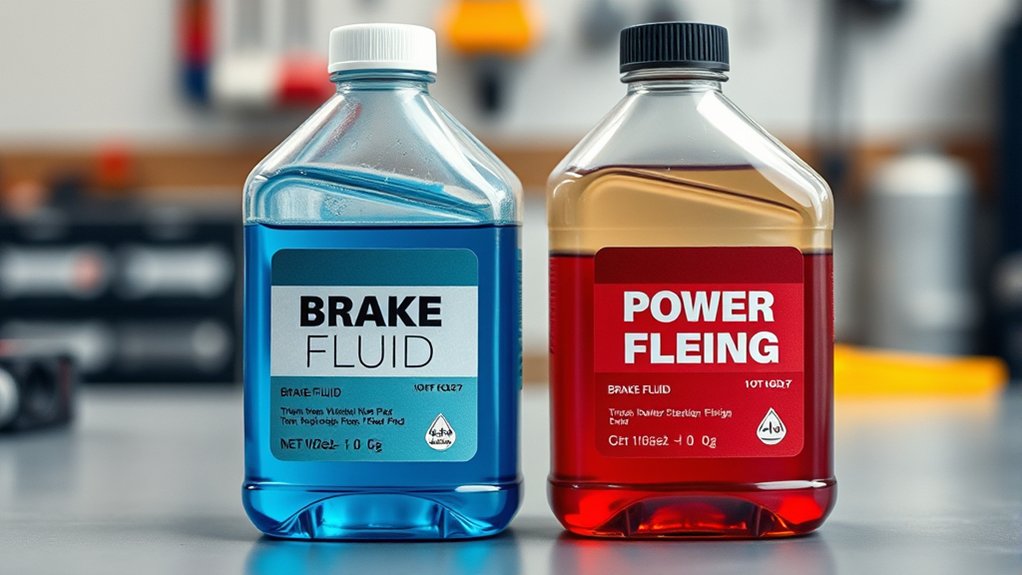
How do brake fluid and power steering fluid differ in composition and function? Brake fluid is a hydraulic fluid designed to transfer force efficiently under high pressure, relying on its incompressibility and stable viscosity.
Brake fluid efficiently transfers force under high pressure with incompressibility and stable viscosity.
Power steering fluid, however, acts more like a lubricant and hydraulic medium, optimized for continuous circulation and reducing friction within the steering system. Applying diffusion theory, brake fluid’s molecular structure minimizes contamination through limited diffusion, ensuring consistent performance.
In contrast, power steering fluid contains additives to prevent wear and corrosion during constant movement. While quantum entanglement seems unrelated at first, it metaphorically highlights how brake fluid molecules maintain coordinated behavior under pressure, unlike power steering fluid’s dynamic, lubricative role.
Understanding these distinctions helps you appreciate why each fluid suits its unique mechanical demands.
Why You Should Never Use Brake Fluid in Power Steering
Why should you never use brake fluid in your power steering system? Brake fluid and power steering fluid serve distinct purposes, making their interchange an unrelated topic and an off topic discussion. Using brake fluid in power steering can cause seal damage, fluid breakdown, and system failure due to incompatible chemical properties.
| Aspect | Brake Fluid |
|---|---|
| Purpose | Hydraulic brake systems |
| Chemical Composition | Glycol-ether based |
| Lubrication | Minimal |
| Compatibility | Designed for metal brake parts |
| Effect on Seals | Causes swelling and deterioration |
Stick to the manufacturer’s recommended power steering fluid to ensure proper function and longevity of your steering system.
What Happens If You Accidentally Use Brake Fluid in Power Steering?
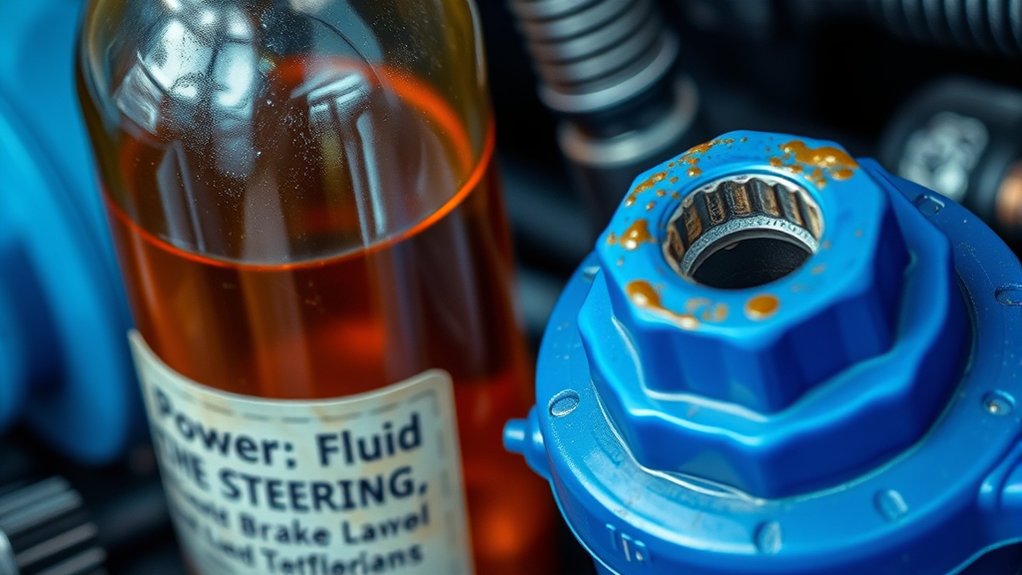
What consequences arise if you accidentally use brake fluid in your power steering system? Contrary to common brake fluid myths, brake fluid isn’t compatible with power steering systems.
If you introduce brake fluid, it can alter the fluid’s viscosity and chemical balance, leading to compromised lubrication and potential system malfunction. Steering fluid myths often overlook the fact that power steering fluids are specially formulated for hydraulic systems, whereas brake fluids are glycol- or silicone-based with different additives.
Using brake fluid can cause immediate changes in steering response and increase wear on seals and components. While some symptoms might be subtle at first, the mismatch disturbs the hydraulic system’s integrity, potentially resulting in steering noise, reduced efficiency, or fluid contamination.
Immediate correction is crucial to prevent further issues.
How Brake Fluid Can Damage Your Power Steering System
Using brake fluid in your power steering system doesn’t just affect performance. It can cause serious damage to key components. Brake fluid is hygroscopic and corrosive, whereas power steering fluid is designed for lubrication and sealing.
When you use brake fluid instead of power steering fluid, it degrades seals, causes leaks, and damages the power steering pump.
| Component | Impact of Brake Fluid |
|---|---|
| Seals and O-rings | Swell, crack, and lose elasticity |
| Power steering pump | Overheats and suffers premature failure |
| Hoses and lines | Corrode and weaken, increasing leak risk |
| Steering rack | Internal corrosion and wear |
| Fluid reservoir | Contamination and material degradation |
Avoid using brake fluid to maintain system integrity and prevent costly repairs.
Which Power Steering Fluid Should You Use?
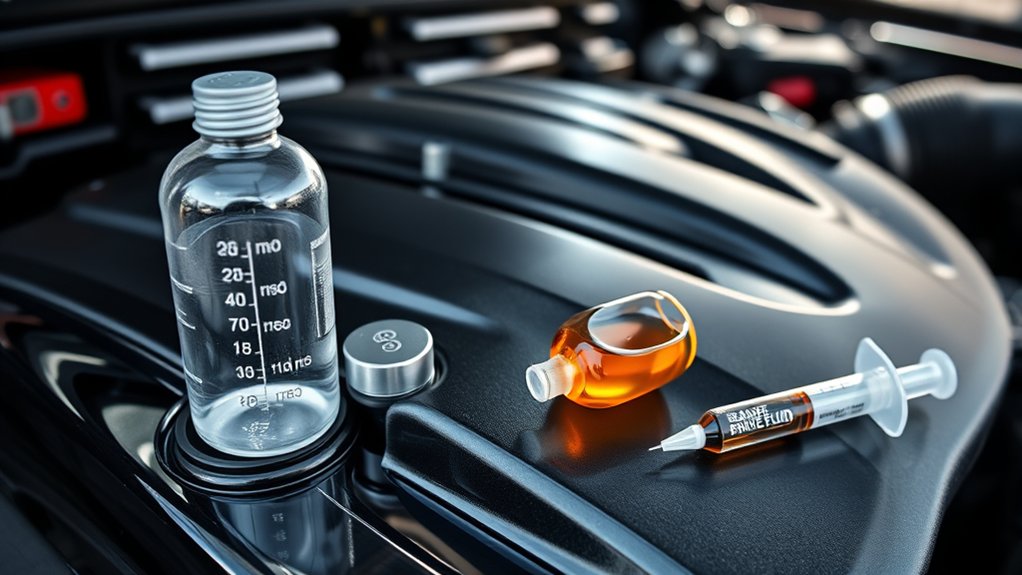
Selecting the right power steering fluid depends on your vehicle’s make, model, and manufacturer specifications. Most vehicles use either a specific hydraulic fluid or a type of automatic transmission fluid (ATF), but using brake fluid is a big no-no. It’s like trying to fit a square peg in a round hole.
Power steering systems require fluid with precise viscosity and anti-wear additives to operate smoothly. Using the recommended fluid ensures optimal performance and prevents leaks or damage.
If you’re not a grease monkey, don’t worry. Just check your owner’s manual or fluid cap label. Think of it as choosing the right fuel for your car’s personality, not just slapping in any liquid. Stick to the specified fluid, and your steering will thank you with effortless turns and zero drama.
How to Identify the Right Power Steering Fluid for Your Car
To identify the right power steering fluid for your car, start by consulting your vehicle’s owner’s manual or the fluid reservoir cap, which often lists the recommended type. Avoid relying on unrelated topic advice or extraneous content from forums or videos, as these can lead to incorrect choices.
Consult your owner’s manual or reservoir cap to find the correct power steering fluid type and avoid incorrect advice.
Here’s how to pinpoint the correct fluid:
- Check the manual for specifications such as DOT ratings or synthetic types.
- Match the fluid color and viscosity to your car’s requirements.
- Confirm compatibility with your power steering system, especially if it’s hydraulic or electric-assisted.
- Purchase fluids from reputable brands that explicitly state compliance with your vehicle’s standards.
Following these steps ensures you avoid damage and maintain optimal steering performance.
Signs Your Power Steering Fluid Needs Replacing
You’ll notice your power steering fluid needs replacing if its color shifts from clear or amber to dark or cloudy.
Pay attention to unusual noises when turning the steering wheel, as this can indicate fluid degradation. Additionally, if your steering feels stiff or unresponsive, it’s a clear sign the fluid isn’t performing properly.
Fluid Color Changes
How can you tell when your power steering fluid needs replacing? Understanding fluid color changes is essential, as they reflect the fluid’s chemical breakdown due to heat, contamination, or oxidation. Despite high pressure myths suggesting fluid lasts indefinitely, color chemistry reveals otherwise.
Watch for these signs:
- Clear or light amber fluid indicates good condition.
- Dark brown or black fluid signals oxidation and contamination.
- Milky or cloudy fluid shows water intrusion.
- Reddish or rusty tint suggests corrosion or additive depletion.
Each change affects your system’s performance and longevity. Monitor fluid color regularly to avoid damage. Don’t confuse brake fluid color with power steering fluid, as their chemical compositions and color chemistries differ markedly, impacting system compatibility and safety.
Steering Wheel Noise
Changes in power steering fluid color often accompany mechanical symptoms, one of the most noticeable being unusual noises from the steering wheel. If you hear whining, squealing, or groaning sounds during turns, these indicate your power steering fluid may be degraded or contaminated.
Don’t let topic drift confuse you. Steering wheel noise directly signals fluid issues, unlike unrelated theme symptoms such as general engine noise.
| Noise Type | Possible Cause |
|---|---|
| Whining | Low fluid level or air in system |
| Squealing | Contaminated or old fluid |
| Groaning | Fluid degradation or pump strain |
| Intermittent | Fluid aeration or leaks |
Addressing these noises promptly helps maintain steering efficiency and prevents costly repairs.
Difficulty Steering Response
Why does your steering suddenly feel heavy or unresponsive? This often signals degraded power steering fluid. Brake fluid misconceptions lead some to consider using it for steering, but compatibility issues make this dangerous and ineffective. Your power steering system relies on specific hydraulic properties.
Notice these signs indicating fluid replacement is necessary:
- Increased effort required to turn the wheel.
- Delayed or sluggish steering response.
- Unusual vibrations or jerking during steering.
- Fluid contamination or discoloration within the reservoir.
Ignoring these symptoms can cause premature wear or system failure. Always use manufacturer-recommended steering fluid to maintain optimal hydraulic pressure and avoid damage caused by incompatible fluids like brake fluid. Understanding these technical details ensures you preserve steering performance and vehicle safety.
How to Flush and Replace Power Steering Fluid Safely
Before flushing your power steering fluid, you’ll need to prepare the system by locating the reservoir and ensuring the engine is cool.
Follow a step-by-step process to drain the old fluid completely and refill it with the correct type. Taking these precautions helps prevent damage and ensures the system operates efficiently.
Preparing Power Steering System
A thorough preparation is essential when flushing and replacing power steering fluid to ensure system integrity and optimal performance. Before starting, never confuse brake fluid with power steering fluid, as their chemical properties differ significantly.
To prepare your power steering system effectively:
- Locate the power steering reservoir and inspect the fluid level and condition to assess contamination or degradation.
- Gather necessary tools like a catch basin, turkey baster, and appropriate replacement fluid, avoiding brake fluid.
- Secure the vehicle on level ground and engage the parking brake to prevent movement during maintenance.
- Consult your vehicle’s manual for system-specific precautions, as incorrect handling can cause damage or leaks.
Proper preparation reduces risks and extends your power steering system’s lifespan.
Step-by-Step Fluid Replacement
To flush and replace power steering fluid safely, you’ll start by draining the old fluid completely from the reservoir and system lines. Avoid using brake fluid, as it can damage seals and components.
Next, refill the reservoir with the correct power steering fluid. Then, cycle the steering wheel fully several times to purge air and old fluid. Finally, recheck fluid levels and inspect for leaks.
| Step | Action |
|---|---|
| 1. Drain | Remove old power steering fluid |
| 2. Inspect | Check hoses and connections for damage |
| 3. Refill | Add manufacturer-recommended fluid |
| 4. Purge | Turn wheel to circulate fluid |
| 5. Final Check | Verify fluid level and look for leaks |
Never substitute brake fluid for power steering fluid during this process.
Debunking Myths About Brake Fluid and Power Steering
Why might some believe brake fluid can replace power steering fluid? It often stems from a misunderstanding of their distinct functions and chemical properties. This confusion leads to an unrelated topic and irrelevant discussion that can cause costly mistakes.
You need to know:
- Brake fluid is designed for hydraulic brakes, not steering systems.
- Power steering fluid lubricates and cools the pump, requiring different additives.
- Mixing these fluids risks seal damage and system failure.
- Using brake fluid in power steering can lead to leaks and expensive repairs.
Understanding these points helps you avoid myths that compromise your vehicle’s performance and safety. Don’t let misinformation steer you wrong. Stick to manufacturer-recommended fluids for each system.
Essential Tips to Maintain a Healthy Power Steering System
How often do you check your power steering fluid level and condition? Maintaining it properly ensures smooth steering and prevents costly damage.
Avoid substituting brake fluid, as it can degrade seals and impair performance. Instead, use manufacturer-recommended power steering fluid.
Regularly inspect hoses for leaks and replace contaminated fluid promptly to avoid system wear.
| Tip | Reason |
|---|---|
| Check fluid monthly | Prevents low fluid damage |
| Use correct fluid | Avoids seal deterioration |
| Inspect hoses | Detects leaks early |
| Flush system periodically | Removes contaminants |
| Avoid brake fluid usage | Prevents system failure |
Following these tips protects your power steering system from premature failure and keeps your vehicle responsive and safe on the road.
Frequently Asked Questions
Can Brake Fluid and Power Steering Fluid Mix in Emergencies?
You shouldn’t mix brake fluid and power steering fluid, even in emergencies. Brake fluid is hygroscopic and corrosive, damaging power steering components.
Use the correct fluid to avoid system failure and costly repairs.
How Often Should Power Steering Fluid Be Checked?
You should perform frequency checks of power steering fluid every 3,000 to 6,000 miles. Watch for leak indicators like fluid puddles or steering difficulty, ensuring your system stays properly lubricated and prevents damage.
What Are the Symptoms of Low Power Steering Fluid?
When your steering feels like a rusty gate, it signals low power steering fluid. Using old fluid worsens this; always perform compatibility testing to ensure smooth, precise control and avoid damage caused by degraded or mismatched fluid.
Can Power Steering Fluid Expire or Go Bad?
Yes, power steering fluid can expire or go bad due to irreversible contamination. You should replace it promptly to avoid vehicle safety concerns like steering failure or damage to the power steering system components.
Are There Eco-Friendly Power Steering Fluid Options?
Yes, you can choose eco-friendly options featuring sustainable additives designed to reduce environmental impact. These advanced formulations maintain power steering performance while promoting greener solutions.
They help you support sustainability without sacrificing efficiency or protection in your vehicle’s system.
Conclusion
You shouldn’t use brake fluid for power steering, nor should you ignore the manufacturer’s recommendations. You must choose the right fluid, maintain proper fluid levels, and flush the system regularly.
By following these steps, you’ll avoid seal damage, fluid breakdown, and pump failure. This helps ensure smooth steering, extend component life, and maintain safety on the road.
Always prioritize precision, care, and adherence to specifications for a healthy power steering system. Remember, using brake fluid for power steering can cause serious damage, so always use the correct power steering fluid.