Power steering fluid is often assumed to be universal, but this is a misconception many drivers have. It’s a coincidence that many believe any power steering fluid will work for their vehicle, but the reality is far more complex. Each vehicle requires specific formulations to protect seals, ensure proper lubrication, and maintain system integrity.
Using the wrong fluid can quietly lead to costly damage. Understanding these differences is crucial before you open the reservoir cap. Always check your vehicle’s manual or consult a professional to choose the right power steering fluid for your car.
Key Takeaways
- Power steering fluid is not universal and varies by vehicle manufacturer specifications.
- Different fluids have unique additives and viscosities critical for system compatibility.
- Using incorrect fluid risks seal damage, leaks, and premature system failure.
- Manufacturer recommendations ensure the right fluid type for smooth, responsive steering.
- Mixing power steering fluids or using generic types can cause corrosion and reduced performance.
What Is Power Steering Fluid and Why It Matters
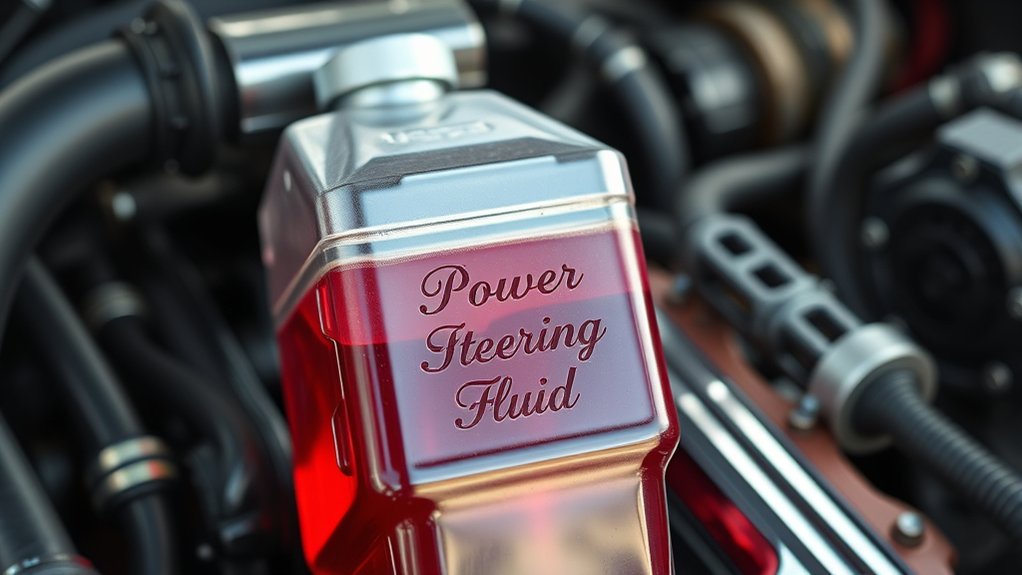
What exactly does power steering fluid do in your vehicle? It serves as a hydraulic medium that transmits force within the power steering system, ensuring smooth and responsive steering. This fluid reduces friction between moving parts, prevents wear, dissipates heat, and protects against corrosion.
Understanding its role is critical for maintaining steering efficiency and safety. Any irrelevant topic or nonessential discussion about unrelated automotive fluids distracts from this core function.
Power steering fluid isn’t merely a lubricant; it actively supports hydraulic pressure, allowing you to steer with minimal effort. Neglecting its condition leads to increased steering resistance and potential system failure.
Power steering fluid maintains hydraulic pressure, ensuring easy steering and preventing costly system failures.
Consequently, recognizing what power steering fluid is and why it matters helps you prioritize proper maintenance and avoid costly repairs.
Is Power Steering Fluid Universal? What You Should Know
Power steering fluid plays a crucial role in your vehicle’s steering system, but you can’t simply use any fluid you find. The notion that power steering fluid is universal is an oversimplification and often leads to errors in maintenance.
Each vehicle manufacturer specifies particular fluid types based on hydraulic properties, additives, and compatibility with seals and components. Using an unrelated topic like generic transmission fluid as a substitute is not just off topic discussion—it risks system damage.
You must refer strictly to your vehicle’s service manual or manufacturer recommendations to ensure the fluid’s viscosity, lubrication, and anti-wear characteristics align precisely. Ignoring these specifications can cause premature wear or failure, so don’t treat power steering fluid selection as an unrelated topic or off topic discussion.
Types of Power Steering Fluid and How They Differ
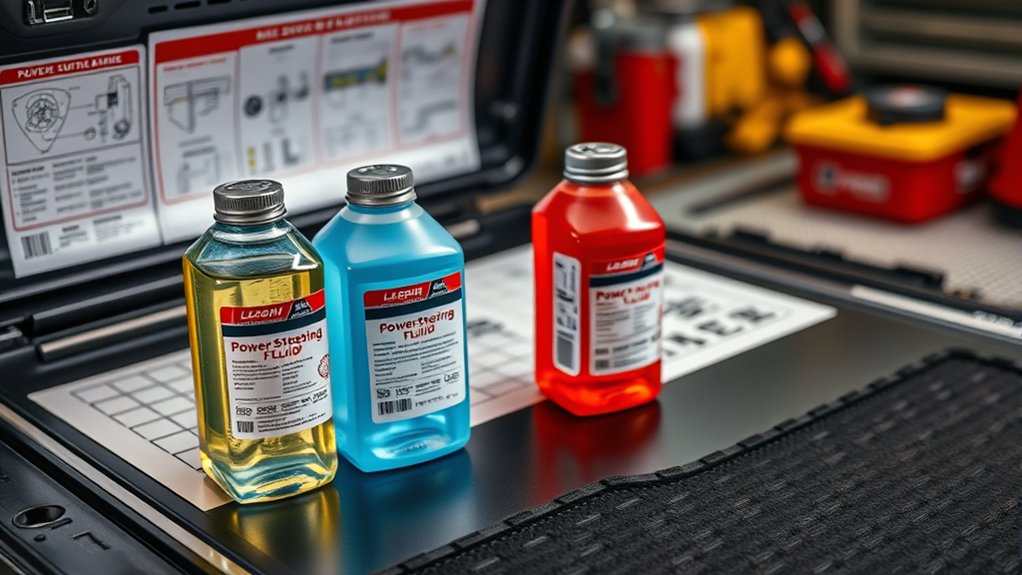
How do different types of steering fluids impact your vehicle’s performance and longevity? Power steering fluids vary primarily by base composition: mineral oil, synthetic, or automatic transmission fluid (ATF). Each type offers distinct viscosity, additive packages, and thermal stability, directly influencing steering responsiveness and component wear.
For example, mineral-based fluids provide adequate lubrication but degrade faster under heat, while synthetic fluids resist oxidation and maintain consistent viscosity, enhancing pump lifespan. Using ATF as power steering fluid can cause seal deterioration due to incompatible additives.
It’s crucial to avoid unrelated topic or tangent discussion about unrelated automotive fluids here, as that diverts from understanding fluid-specific impacts. Recognizing these differences helps you appreciate why fluids aren’t universally interchangeable, as fluid chemistry governs system compatibility and overall steering system durability.
How to Find the Right Power Steering Fluid for Your Car
You’ll want to start by consulting your vehicle’s manufacturer recommendations to identify the specified power steering fluid type. Next, match your car’s fluid requirements with the appropriate fluid category, considering whether it needs synthetic, mineral-based, or DOT-approved fluid.
Finally, factor in your vehicle’s age, as older models may require different formulations to maintain optimal performance.
Check Manufacturer Recommendations
Where can you find the exact specifications for the fluid your steering system requires? The authoritative source is always the vehicle manufacturer. Ignoring these recommendations and following an unrelated topic or a random idea can lead to improper fluid use, causing steering inefficiency or damage.
To check manufacturer recommendations, refer to:
- Owner’s manual: Details precise fluid types and specifications.
- Manufacturer’s website: Updated technical bulletins and guidelines.
- Dealership service department: Expert advice tailored to your model.
- Fluid reservoir cap or label: Sometimes indicates compatible fluid types.
Identify Fluid Types
Once you know the manufacturer’s recommended specifications, the next step is identifying the exact type of power steering fluid compatible with your vehicle. Start by clarifying terminology: power steering fluids vary between synthetic, mineral-based, and ATF (automatic transmission fluid) types.
Each has distinct chemical properties affecting viscosity, lubrication, and seal compatibility. Using the wrong fluid may cause system damage or leaks, so fluid compatibility is critical. Cross-reference your vehicle’s manual with product labels and technical data sheets to match fluid types precisely.
Avoid assuming universal interchangeability; some systems require specific formulations, such as Dexron or Mercon ATF, whereas others need specialized synthetic fluids. By accurately identifying the fluid type, you preserve system integrity and maintain optimal performance.
Consider Vehicle Age
How does the age of your vehicle influence the choice of power steering fluid? Older vehicles often require specific formulations due to material compatibility and wear patterns, while newer cars might use synthetic or specialized fluids.
Ignoring vehicle age is an irrelevant topic that can lead to improper fluid selection, causing system inefficiency or damage. Avoid treating power steering fluid selection as an unrelated subject from general maintenance.
Consider these factors:
- Older seals and hoses may degrade with incompatible fluids.
- Vintage cars might need mineral-based fluids, unlike modern synthetic types.
- Manufacturer updates fluid specifications over time.
- Fluid viscosity and additive packages vary based on vehicle model year.
Always verify your car’s manual to ensure fluid compatibility, minimizing risk and optimizing steering performance.
Risks of Using the Wrong Power Steering Fluid
Why does using the wrong power steering fluid pose significant risks to your vehicle’s performance? Selecting an irrelevant comparison or unrelated material instead of the manufacturer-recommended fluid can compromise system integrity.
Incorrect fluid alters lubrication properties, leading to increased wear, seal degradation, and potential pump failure. You risk corrosion and sludge buildup, which impairs steering response and increases repair costs.
| Risk | Effect |
|---|---|
| Seal degradation | Leaks and pressure loss |
| Pump damage | Noise and reduced efficiency |
| Corrosion | Component failure |
| Sludge buildup | Blockages in fluid channels |
| Altered viscosity | Poor steering responsiveness |
Avoid substituting fluids to maintain optimal steering performance and system longevity.
Mixing Power Steering Fluids: Is It Safe?
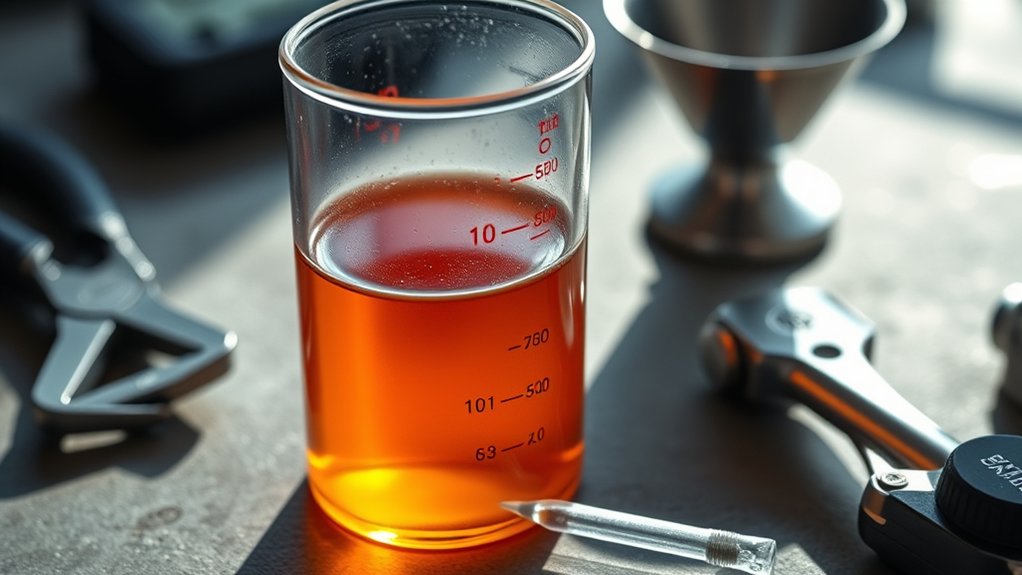
Can you safely mix different power steering fluids in your vehicle? Technically, it’s not advisable because fluids vary in chemical composition and additive packages. Mixing them can lead to performance degradation or component damage.
Often, concerns about mixing stem from unrelated topics or random concerns rather than solid technical evidence.
Consider these points:
- Different fluids may have incompatible additives causing viscosity changes or foaming.
- Mixing can reduce lubricity, risking premature pump wear.
- Chemical reactions between fluids might form sludge or deposits.
- Manufacturer specifications exist to ensure system integrity and longevity.
To maintain optimum steering performance and avoid costly repairs, always use the fluid type specified by your vehicle manufacturer. Mixing fluids introduces uncertainty and potential mechanical risks that outweigh any convenience.
How to Safely Top Up or Change Your Power Steering Fluid
You’ll start by accurately checking your power steering fluid levels using the dipstick or reservoir markings to avoid overfilling.
Next, ensure you select the correct fluid type based on your vehicle’s specifications to maintain system integrity. Finally, follow a step-by-step procedure for fluid replacement to prevent contamination and ensure proper system function.
Checking Fluid Levels
How often should you check your power steering fluid to ensure optimal performance? Regular inspection is critical since low or contaminated fluid can impair steering responsiveness and damage the system. Avoid confusing this with an irrelevant topic like unrelated subtopic maintenance tasks.
When checking fluid levels, follow these technical steps precisely:
- Park your vehicle on level ground and turn off the engine.
- Locate the power steering fluid reservoir, usually marked and translucent.
- Clean the reservoir cap before removal to prevent contamination.
- Use the dipstick or reservoir markings to assess fluid level and condition (clear, amber fluid indicates good health).
If levels are low, top up cautiously without overfilling. Consistently monitoring fluid levels helps prevent premature wear and ensures system efficiency.
Choosing The Right Fluid
Which type of power steering fluid suits your vehicle’s system best? Selecting the appropriate fluid is critical to avoid irreversible damage to the steering components.
Manufacturers specify fluid types based on viscosity, additives, and compatibility with seals. Using incorrect fluid can degrade seal materials, increase wear, and elevate contamination risk.
Always consult your owner’s manual or service documentation for the recommended fluid. Avoid mixing different fluid types, as this can cause chemical reactions that compromise performance and lead to premature system failure.
When topping up or changing fluid, ensure the reservoir and tools are clean to minimize contamination risk. Precision in fluid choice preserves system integrity and ensures optimal steering response, preventing costly repairs and maintaining safe vehicle operation.
Step-By-Step Fluid Replacement
Selecting the correct power steering fluid is only the first step; maintaining the system requires periodic fluid replacement or topping up to preserve peak performance. You must verify the fluid’s universal compatibility with your vehicle’s specifications to avoid damaging seals or pumps.
Pay close attention to fluid viscosity, as incorrect thickness can impair steering responsiveness.
Follow these steps for fluid replacement:
- Warm the engine to operating temperature for accurate fluid drainage.
- Locate and remove the reservoir cap, then extract old fluid using a turkey baster or fluid extractor.
- Refill with the appropriate fluid, ensuring it matches viscosity and compatibility standards.
- Bleed the system by turning the steering wheel fully left and right to eliminate air pockets.
This method safeguards system integrity and extends component lifespan.
Signs Your Power Steering Fluid Needs Replacing
When should you consider replacing your power steering fluid? Focus on specific signs like increased steering effort, whining noises during turns, or visible fluid contamination.
Dark, murky fluid or debris indicates degradation, impairing hydraulic performance. Additionally, if you notice leaks or a burning smell, these are critical indicators.
Avoid confusing this with an unrelated topic such as general engine oil changes, as power steering fluid requires distinct attention. Don’t entertain off-topic ideas like replacing fluid based solely on mileage without assessing these symptoms.
Regular inspection of fluid color and consistency, combined with monitoring steering response, provides a precise assessment. Addressing these signs promptly prevents pump damage and costly repairs, ensuring your steering system operates efficiently and safely.
Tips for Choosing Compatible Power Steering Fluid
Noticing signs that your power steering fluid needs replacing is only part of maintaining your steering system’s performance. To ensure optimal function, you must choose fluid compatible with your vehicle’s specifications, debunking common universal myths. Avoid falling for compatibility myths that suggest all fluids are interchangeable.
Consider these tips:
- Consult your owner’s manual for the exact fluid type and specifications.
- Opt for fluids labeled specifically for your vehicle’s make and model.
- Verify that the fluid meets industry standards like DOT or OEM certifications.
- Avoid mixing different fluid types to prevent chemical reactions and damage.
Frequently Asked Questions
Can Power Steering Fluid Expire or Go Bad Over Time?
Yes, power steering fluid can expire or degrade over time. You shouldn’t assume power steering fluid is compatible with all systems, especially if aftermarket additives alter its properties. These changes can potentially cause performance issues or damage in your steering system.
How Does Power Steering Fluid Affect Steering Noise?
Steering noise, like a creaky door hinge, often signals fluid compatibility problems. Using a universal fluid without verifying compatibility can cause issues, increasing noise and reducing system efficiency. Always check fluid specs for optimal performance.
Are There Eco-Friendly or Biodegradable Power Steering Fluids?
Yes, you can find eco-friendly, biodegradable power steering fluids designed to minimize environmental impact. These fluids maintain hydraulic performance while breaking down naturally, reducing pollution risks during leaks or disposal.
Choose products meeting environmental standards.
Can Power Steering Fluid Cause Damage to Other Car Systems?
Yes, incompatible power steering fluid can cause system corrosion and damage seals or pumps in other car systems. You should always check fluid compatibility to prevent leaks, wear, and ensure optimal hydraulic performance within your vehicle’s steering system.
How Often Should Power Steering Fluid Be Flushed Completely?
You should flush power steering fluid every 50,000 miles; old vs new fluid compatibility tests reveal degradation affects performance. Regular flushing guarantees system integrity, prevents contamination, and maintains optimal hydraulic pressure for precise steering response.
Conclusion
Did you know that over 30% of power steering failures stem from using incorrect fluid? To avoid costly damage and maintain optimal steering performance, always use the fluid specified by your manufacturer. Mixing or substituting fluids risks seal degradation and pump wear, compromising system longevity.
By carefully selecting and regularly checking your power steering fluid, you ensure precision handling and extend your vehicle’s life. Don’t overlook this small but critical maintenance step, as power steering fluid is not universal.